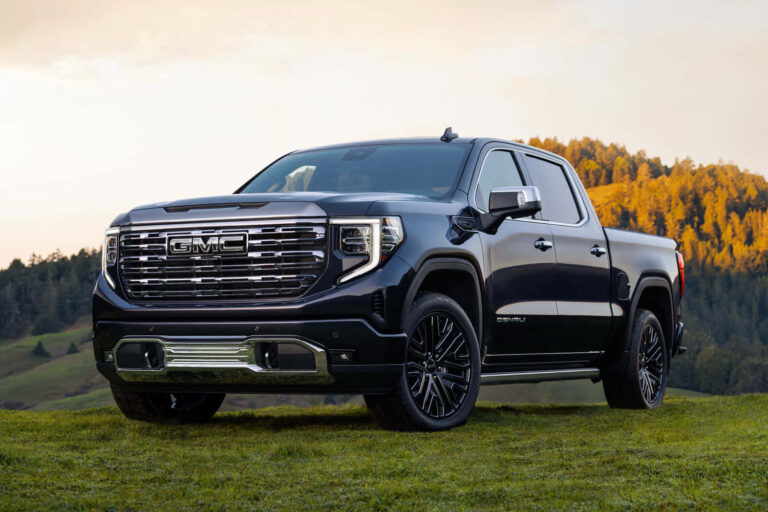
Shield Your Ride: The Ultimate Guide to Truck Bench Seat Covers
Shield Your Ride: The Ultimate Guide to Truck Bench Seat Covers Lmctruck.Guidemechanic.com
Your truck is more than just a vehicle; it’s a workhorse, an adventure companion, and often, a second home. The bench seat, in particular, bears the brunt of daily life – muddy boots, spilled coffee, pet hair, tools, and countless passengers. Over time, this wear and tear can diminish your truck’s interior, affecting both its appearance and its resale value. But what if there was a simple, effective way to safeguard your investment while enhancing comfort and style?
Enter the world of bench seat covers for trucks. Far from being mere accessories, these essential upgrades offer robust protection, revitalize interiors, and reflect your personal style. As an expert in automotive care and content creation, I’ve seen firsthand how a quality set of truck bench seat covers can transform a vehicle. This comprehensive guide will dive deep into everything you need to know, from material choices and fit types to installation tips and maintenance, ensuring you make an informed decision for your beloved truck.
Shield Your Ride: The Ultimate Guide to Truck Bench Seat Covers
Why Invest in Bench Seat Covers for Your Truck? The Undeniable Benefits
Many truck owners consider seat covers a luxury, but based on my experience, they are a fundamental necessity. The benefits extend far beyond aesthetics, offering practical advantages that save you time and money in the long run.
1. Unrivaled Protection Against Daily Grime
Your truck’s bench seat faces a constant barrage of threats. Spills from drinks and food, dirt and mud tracked in from work or outdoor adventures, pet dander and scratches, and even the relentless UV rays from the sun can all take their toll. High-quality bench seat covers act as a formidable barrier, shielding your original upholstery from permanent stains, tears, fading, and general degradation.
This protection is invaluable for maintaining the integrity of your truck’s interior. Imagine spilling a full cup of coffee; with a waterproof cover, it’s a quick wipe-down, not a costly detailing job. This peace of mind allows you to use your truck without constant worry about potential damage.
2. Preserve and Boost Resale Value
The condition of a vehicle’s interior plays a significant role in its resale value. A truck with a pristine, well-maintained bench seat will always command a higher price than one with stained, torn, or faded upholstery. Investing in bench seat covers is a smart preventative measure that helps preserve your truck’s original interior, keeping it looking factory-fresh for years to come.
When it comes time to sell or trade in your truck, simply remove the covers to reveal an immaculate original seat. This small investment upfront can translate into hundreds, if not thousands, of dollars saved or gained during the selling process. It’s a testament to responsible ownership.
3. Enhanced Comfort for Every Journey
Beyond protection, seat covers can significantly upgrade your driving experience. Many modern bench seat covers are designed with comfort in mind, offering features like added padding, breathable materials, or even temperature-regulating properties. For long hauls or daily commutes, this extra layer of cushioning can reduce fatigue and make every ride more enjoyable.
The texture of certain materials, such as soft canvas or supple leatherette, can also provide a more pleasant feel than worn-out or rough original upholstery. This comfort factor is often overlooked but contributes immensely to overall driver and passenger satisfaction.
4. Personalized Style and Interior Transformation
Your truck is an extension of your personality, and bench seat covers offer an incredible opportunity for customization. Whether you’re aiming for a rugged, utilitarian look, a sleek and sporty vibe, or a touch of luxurious refinement, there’s a cover to match your vision. They come in a vast array of colors, patterns, and materials, allowing you to completely refresh your truck’s interior aesthetic.
This customization isn’t just about looks; it’s about making your truck feel truly yours. From subtle enhancements to bold statements, seat covers provide an affordable way to inject new life and character into your cabin, making it unique to you.
5. Effortless Maintenance and Cleaning
Cleaning original upholstery can be a tedious and often challenging task, requiring special tools and cleaning solutions. Bench seat covers, especially those made from durable, water-resistant materials, are designed for easy maintenance. Most spills can be simply wiped away, and many covers are machine washable or can be spot-cleaned with minimal effort.
This ease of cleaning saves you time and ensures your truck’s interior always looks presentable. It’s particularly beneficial for those with active lifestyles, pets, or young children, where messes are an inevitable part of daily life.
Navigating the World of Bench Seat Covers: Types of Fit
Choosing the right fit is paramount to both the appearance and effectiveness of your bench seat covers. A poorly fitting cover can look sloppy, shift around, and even impede access to seatbelt buckles or other features. There are generally three main categories of fit: custom, semi-custom, and universal.
1. Custom-Fit Bench Seat Covers: Precision and Perfection
Custom-fit bench seat covers are the crème de la crème when it comes to protection and aesthetics. These covers are meticulously engineered and tailored specifically for the exact make, model, and year of your truck, often down to the trim level. Every curve, contour, and feature of your original bench seat is accounted for, including headrests, armrests, cup holders, seatbelt cutouts, and even airbag deployment zones.
Pros:
- Superior Aesthetics: They look virtually indistinguishable from original upholstery, providing a factory-installed appearance.
- Optimal Protection: Their snug fit means no gaps for spills or dirt to sneak through.
- Full Functionality: All seat features remain fully accessible and operational, including crucial safety elements like side airbags.
- Durability: The precise fit reduces friction and wear on the covers themselves.
Cons:
- Higher Cost: Custom covers are typically the most expensive option due to their specialized design and manufacturing.
- Longer Lead Times: They may require a longer waiting period as they are often made to order.
- Limited Availability: Depending on your truck’s age or rarity, custom options might be harder to find.
Pro Tip from Us: If budget allows and you plan to keep your truck for an extended period, custom-fit covers are an investment that truly pays off in terms of protection, aesthetics, and overall satisfaction.
2. Semi-Custom Fit Bench Seat Covers: A Balanced Approach
Semi-custom fit covers offer a fantastic middle-ground between the precision of custom options and the affordability of universal ones. These covers are designed to fit a range of similar truck models or a specific truck generation, rather than a single exact model. They provide a much better fit than universal covers but may not hug every contour as perfectly as a true custom option.
Pros:
- Improved Fit: They conform much better to your bench seat’s shape compared to universal covers.
- Good Protection: They offer excellent coverage against spills and wear for most common bench seat configurations.
- More Affordable: Generally less expensive than custom-fit covers.
- Wider Availability: Easier to find for a broader range of popular truck models.
Cons:
- Minor Imperfections: There might be slight wrinkles or less-than-perfect alignment in certain areas.
- Potential Feature Obstruction: While generally good, some specific features might be slightly less accessible than with custom covers.
3. Universal Fit Bench Seat Covers: Budget-Friendly Versatility
Universal fit bench seat covers are designed to be compatible with the widest possible range of truck bench seats. They are often one-size-fits-all or one-size-fits-most, relying on elastic straps, hooks, and ties to achieve a somewhat snug fit. While they offer immediate protection at an attractive price point, their fit is often looser and less tailored.
Pros:
- Most Affordable: They are typically the least expensive option.
- Immediate Availability: Easily found at most automotive retailers and online stores.
- Quick Installation: Generally the easiest to install due to their more forgiving design.
Cons:
- Loose Fit: Can look baggy, wrinkle easily, and may shift around with use.
- Compromised Aesthetics: Rarely achieve a sleek or integrated look.
- Limited Protection: Gaps and loose areas can allow spills and dirt to reach the original upholstery.
- Potential Airbag Issues: It is crucial to ensure any universal cover explicitly states airbag compatibility, as a poor fit could obstruct deployment.
Common Mistakes to Avoid: A common mistake with universal covers is assuming "one size fits all" means "fits perfectly." Always check the product dimensions against your bench seat, and prioritize covers that mention specific features like headrest covers or seatbelt access points, even if they are universal.
Material Matters: Decoding Your Options for Truck Bench Seat Covers
The material of your bench seat cover is arguably as important as the fit. It dictates durability, feel, water resistance, ease of cleaning, and overall aesthetic. Based on your lifestyle and how you use your truck, certain materials will be far more suitable than others.
1. Neoprene and Neoprene-Like Fabrics: The Water Warriors
Neoprene, the material used in wetsuits, is a synthetic rubber known for its exceptional water resistance, durability, and flexibility. Neoprene-like fabrics offer similar properties, often with added breathability. These materials are incredibly popular for truck owners with active lifestyles.
Characteristics:
- Waterproof/Water-Resistant: Excellent for protecting against spills, mud, sweat, and pet accidents.
- Durable: Resists abrasions, tears, and UV fading.
- Comfortable: Offers a cushioned feel and good grip.
- Sporty Look: Often comes in a range of colors, giving a modern, athletic appearance.
Ideal For: Off-roaders, outdoor enthusiasts, construction workers, pet owners, and anyone needing robust spill protection.
2. Heavy-Duty Canvas and Cordura: Built for Battle
When ruggedness and extreme durability are your top priorities, heavy-duty canvas or Cordura (a brand of durable nylon fabric) are excellent choices. These materials are engineered to withstand the harshest conditions, making them perfect for work trucks or adventurous expeditions.
Characteristics:
- Extreme Durability: Highly resistant to tears, punctures, and abrasions.
- Breathable: More breathable than neoprene, reducing sweat buildup.
- Rugged Aesthetic: Provides a no-nonsense, utilitarian look.
- Easy to Clean: Often can be spot-cleaned or even hosed down (check manufacturer instructions).
Ideal For: Contractors, tradespeople, farmers, hunters, and those who frequently transport tools or dirty gear.
3. Leatherette and Vinyl: Style Meets Practicality
For truck owners seeking a more luxurious look without the high cost and maintenance of genuine leather, leatherette (synthetic leather) and vinyl are superb alternatives. These materials offer a sophisticated appearance combined with practical benefits.
Characteristics:
- Premium Look: Mimics the appearance and feel of real leather, elevating your interior.
- Easy to Clean: Spills wipe away effortlessly, making them very low maintenance.
- Water-Resistant: Provides a good barrier against liquids.
- Cost-Effective: Significantly more affordable than genuine leather.
Ideal For: Those wanting to upgrade their interior’s aesthetics, families needing easy cleanup, or anyone seeking a sleek, refined look.
4. Fabric (Polyester, Velour, Tweed): Comfort and Breathability
A wide range of fabric materials, including polyester blends, velour, and tweed, are also used for bench seat covers. These options prioritize comfort, breathability, and a softer feel compared to some of the more rugged materials.
Characteristics:
- Comfortable: Soft to the touch and often more breathable than synthetic options.
- Variety of Styles: Available in numerous colors and patterns to match any interior.
- Affordable: Often among the more budget-friendly choices.
Ideal For: Daily drivers, those prioritizing comfort, or individuals looking for a specific aesthetic without extreme durability needs.
5. Sheepskin: The Ultimate in Luxury and Comfort
For the ultimate in comfort and natural temperature regulation, sheepskin bench seat covers are unparalleled. While a premium investment, they offer a driving experience unlike any other.
Characteristics:
- Luxurious Comfort: Incredibly soft, plush, and inviting.
- Temperature Regulating: Keeps you cool in summer and warm in winter.
- Durable (with proper care): Natural fibers are robust.
Ideal For: Truck owners prioritizing luxury, comfort, and a unique driving experience, willing to invest in premium care.
Key Features to Look For in Your Bench Seat Covers
Beyond material and fit, several other features can significantly impact the functionality, safety, and longevity of your bench seat covers. Paying attention to these details will ensure you get the most value for your investment.
1. Airbag Compatibility: A Non-Negotiable Safety Feature
Modern trucks often have side airbags integrated into the seats. It is absolutely critical that any bench seat cover you choose is explicitly designed with airbag compatibility. These covers will have special seams (often called "tear-away" or "airbag safe" seams) that allow the airbag to deploy unobstructed in the event of a collision.
Common Mistake to Avoid: Never use a seat cover that doesn’t specify airbag compatibility if your truck has side airbags. Obstructing an airbag can have severe, life-threatening consequences. Always prioritize safety over aesthetics or cost.
2. Water Resistance and Waterproofing
This feature is crucial for protecting against spills, mud, and moisture. Water-resistant covers repel water to a certain degree, while fully waterproof covers prevent any liquid from seeping through. Neoprene and vinyl are typically waterproof, while treated canvas can be highly water-resistant.
Consider your exposure to liquids. If you frequently haul wet gear, have pets, or drink coffee in your truck, a high level of water protection is essential.
3. UV Resistance: Battling the Sun’s Harm
The sun’s ultraviolet (UV) rays can be incredibly damaging, leading to fading, cracking, and deterioration of both your original upholstery and your seat covers. High-quality bench seat covers often come with UV-resistant treatments, helping them maintain their color and integrity over time, especially if your truck is frequently parked outdoors.
4. Easy Installation and Secure Fit
Even the best bench seat covers won’t perform well if they’re difficult to install or constantly shifting. Look for designs that feature robust attachment systems, such as strong elastic straps, buckles, zippers, or hook-and-loop fasteners. A secure fit prevents bunching, sliding, and ensures full access to all seat functions.
Pro Tip: Read reviews about installation ease. Some custom-fit covers might be a bit more involved, but a snug fit is worth the extra effort.
5. Integrated Storage Pockets
For many truck owners, extra storage is always a plus. Some bench seat covers come with integrated pockets on the back or sides, providing convenient places to store maps, small tools, documents, or personal items. This feature can help keep your cab organized and clutter-free.
6. Color and Design Options
While protection and functionality are primary, don’t overlook the aesthetic appeal. Choose a color and design that complements your truck’s interior and reflects your personal style. From subtle blacks and grays to vibrant camouflage or two-tone designs, the options are vast.
Installation Guide: Getting It Right the First Time
Proper installation is key to maximizing the lifespan and performance of your bench seat covers. While specific steps may vary slightly by product and truck model, here’s a general guide to ensure a snug and effective fit.
Step 1: Prepare Your Bench Seat
Before you even unpackage your new covers, take the time to thoroughly clean your truck’s bench seat. Vacuum up any crumbs, dirt, or debris. If there are stains on your original upholstery, clean them now, as they’ll be sealed under the covers. A clean slate ensures the covers sit better and prevents trapping any existing grime.
Step 2: Read the Instructions Carefully
This might sound obvious, but it’s the most overlooked step! Every manufacturer has specific recommendations for their product. Pay close attention to any warnings, especially regarding airbag compatibility or specific fastening techniques. My experience shows that skipping this step leads to frustration and a sub-optimal fit.
Step 3: Remove Headrests and Armrests (If Applicable)
Most bench seat covers are designed to go over the main seat first, with separate covers for headrests and armrests. Remove these components from your bench seat if they are detachable. This allows for a smoother installation of the main seat base and backrest covers.
Step 4: Install the Seat Back Cover First
Start with the backrest portion of the bench seat. Carefully slide the cover over the top of the seat back, guiding it down evenly. Take your time to align any openings for headrest posts, seatbelts, or armrest cutouts. Smooth out wrinkles as you go.
Step 5: Secure the Backrest Cover
Once the backrest cover is in place, you’ll typically need to secure it. This often involves feeding straps or buckles through the gap between the seat back and the seat base, connecting them underneath the seat. Some covers may have zippers or elastic bands along the bottom edge. Pull everything taut to eliminate slack.
Step 6: Install the Seat Base Cover
Next, tackle the seat base. Similar to the backrest, slide the cover over the cushion, aligning any cutouts for seatbelt buckles or console features. Work the cover down evenly, ensuring it covers all edges of the seat base.
Step 7: Secure the Seat Base Cover
Fasten the seat base cover using its designated straps, hooks, or elastic. These attachments usually go under the seat, connecting to themselves or to sturdy points on the seat frame. Ensure all straps are pulled tight to prevent the cover from shifting during use. A common technique is to push the cover deeply into the crease where the backrest meets the base, then secure it.
Step 8: Reinstall Headrests and Armrests (and Their Covers)
Once the main seat covers are installed, put the headrest and armrest covers on, then reattach them to your bench seat. Ensure they fit snugly and don’t impede movement or adjustment.
Step 9: Final Adjustments and Smoothing
Stand back and inspect your work. Gently pull and tug the covers to eliminate any remaining wrinkles or loose spots. Press down firmly on the seat to help the covers conform to the contours. A truly custom or semi-custom cover should look almost like a second skin.
Maintenance and Care: Extending the Life of Your Covers
Even the most durable bench seat covers require a little care to maintain their appearance and protective qualities. Proper maintenance ensures they last longer and continue to perform their job effectively.
General Cleaning Tips:
- Regular Vacuuming: Frequently vacuum your seat covers to remove loose dirt, dust, and pet hair. This prevents grime from embedding into the material.
- Spot Cleaning: For minor spills or marks, immediately blot the area with a clean cloth. Use a mild soap and water solution for tougher spots, dabbing gently rather than rubbing vigorously.
- Avoid Harsh Chemicals: Do not use abrasive cleaners, bleach, or strong solvents, as these can damage the material, fade colors, or compromise waterproof coatings.
Material-Specific Care:
- Neoprene: Most neoprene covers can be removed and hand-washed with mild detergent or hosed down. Air dry completely out of direct sunlight to prevent mildew and cracking.
- Canvas/Cordura: These rugged materials are often quite forgiving. Spot clean with soap and water, or for deeper cleaning, some can be removed and machine washed on a gentle cycle (check tags!). Air dry.
- Leatherette/Vinyl: The easiest to clean. Simply wipe down with a damp cloth and mild soap. A protectant spray designed for vinyl can help maintain its suppleness and prevent cracking over time.
- Fabric (Polyester, Velour): Often machine washable on a gentle cycle. Always consult the manufacturer’s care tag. Air dry or tumble dry on low.
- Sheepskin: Requires specialized care, often dry cleaning or professional cleaning. Avoid machine washing, which can damage the fibers.
Pro Tip: For pet owners, a lint roller is your best friend for quick removal of pet hair between deeper cleans.
Common Mistakes to Avoid When Buying and Using Bench Seat Covers
Even with the best intentions, some common pitfalls can lead to dissatisfaction with your bench seat covers. Learning from these mistakes can save you time, money, and frustration.
1. Ignoring Airbag Compatibility
As mentioned earlier, this is a critical safety issue. Never purchase or install a cover that doesn’t explicitly state it’s safe for side airbags if your truck has them. This isn’t just a suggestion; it’s a matter of life and death.
2. Buying the Wrong Size or Fit Type
Assuming a "universal" cover will look good or that you can guess your truck’s seat dimensions without measuring is a recipe for disappointment. Always verify your truck’s make, model, year, and trim level against the product’s compatibility list. For custom or semi-custom covers, this step is non-negotiable.
3. Neglecting Material Choice for Specific Needs
Don’t buy a stylish fabric cover if you’re constantly hauling muddy gear or wet pets. Conversely, a heavy-duty canvas might be overkill and less comfortable for a daily commuter who simply wants a nicer aesthetic. Match the material to your lifestyle and primary needs.
4. Poor Installation
A rushed or incorrect installation can lead to covers that sag, bunch, or shift, defeating their purpose. Take the time to follow instructions, pull straps tight, and smooth out wrinkles. A properly installed cover not only looks better but also performs better.
5. Ignoring Care Instructions
Different materials require different care. Washing a neoprene cover in hot water or using harsh chemicals on leatherette can damage the material and shorten its lifespan. Always refer to the manufacturer’s care instructions to ensure your covers remain in top condition.
6. Focusing Only on Price
While budget is a factor, prioritizing the cheapest option often leads to inferior materials, poor fit, and a shorter lifespan. Consider the cost-effectiveness over time. A slightly more expensive, high-quality cover that lasts for years is a better investment than a cheap one that needs frequent replacement.
Pro Tips from an Expert: Making the Smart Choice
Having guided countless truck owners through this decision, here are some final pieces of advice to ensure you find the perfect bench seat covers for your ride:
- Define Your Primary Need: Are you protecting a brand-new interior, covering up existing damage, or simply refreshing the look? Is waterproof protection paramount, or is comfort your main goal? Clearly identifying your top priority will narrow down your options considerably.
- Measure Twice, Buy Once: Even for semi-custom or universal covers, taking accurate measurements of your bench seat (width, depth, backrest height) can prevent frustrating returns and ensure a better fit.
- Read Reviews, But with a Grain of Salt: Product reviews can be incredibly helpful for gauging real-world performance and fit. However, remember that individual experiences vary. Look for patterns in feedback rather than focusing on isolated complaints.
- Don’t Forget the Details: Check for things like pockets, access to seat adjusters, and compatibility with heated seats if those features are important to you.
- Consider Your Climate: If you live in a very hot climate, breathable fabrics or lighter colors might be preferable. In colder climates, materials like sheepskin or even certain fabrics can offer more warmth.
- Check Return Policies: Before purchasing, especially online, understand the retailer’s return policy. This provides peace of mind in case the covers don’t fit as expected or aren’t what you envisioned.
Your truck’s bench seat is a central part of its interior, enduring daily use and contributing significantly to your driving experience. Investing in high-quality bench seat covers for trucks is not just about aesthetics; it’s about smart protection, enhanced comfort, and preserving the value of your vehicle. By understanding the different types, materials, and features available, and by following expert advice on installation and care, you can make an informed decision that will serve you and your truck well for years to come.
Ready to explore more ways to keep your truck in top shape? Check out our article on Maintaining Your Truck’s Interior: A Comprehensive Guide for deeper insights. For more detailed information on different upholstery materials, you might find this external resource on Automotive Interior Fabrics helpful. Happy trucking!