Renting a Truck with a Gooseneck Hitch: Your Ultimate Guide to Heavy-Duty Hauling
Renting a Truck with a Gooseneck Hitch: Your Ultimate Guide to Heavy-Duty Hauling Lmctruck.Guidemechanic.com
Are you facing a colossal hauling challenge? Perhaps you need to transport a heavy equipment trailer, a large livestock trailer, or a substantial flatbed, and your current vehicle just isn’t up to the task. You’ve heard about gooseneck hitches and their incredible capacity, but buying a dedicated truck isn’t feasible for a one-off project or infrequent use. The solution? Renting a truck equipped with a gooseneck hitch.
As an expert who has navigated countless heavy-haul scenarios, I understand the complexities and the critical need for reliable, safe transportation. This comprehensive guide will walk you through everything you need to know about renting a truck with a gooseneck hitch, ensuring you make informed decisions and complete your haul successfully and safely. We’ll delve deep into understanding these powerful setups, finding the right rental, mastering the operational aspects, and much more.
Renting a Truck with a Gooseneck Hitch: Your Ultimate Guide to Heavy-Duty Hauling
The Power of the Gooseneck: What Exactly Is It?
Before diving into the rental process, it’s crucial to understand what a gooseneck hitch is and why it’s the preferred choice for truly heavy loads. Unlike bumper-pull hitches that connect to the rear bumper, or even conventional fifth-wheel hitches, a gooseneck hitch features a robust ball mounted directly into the bed of a heavy-duty pickup truck, typically over or slightly forward of the rear axle.
This central mounting point provides unparalleled stability and weight distribution. By placing the trailer’s tongue weight directly onto the truck’s frame, the gooseneck system significantly reduces sway and offers superior control, especially when navigating turns or encountering crosswinds. This design allows for higher towing capacities, often reaching tens of thousands of pounds, far exceeding what a bumper-pull hitch can safely handle.
Gooseneck vs. Fifth-Wheel: A Common Confusion
It’s common for people to confuse gooseneck hitches with fifth-wheel hitches, and while both mount in the truck bed and are designed for heavy hauling, they are distinct. A fifth-wheel hitch uses a large, flat plate (often resembling a semi-truck’s coupling system) that locks onto a kingpin on the trailer. A gooseneck, on the other hand, uses a simple ball and coupler mechanism.
Pro tips from us: While some trailers are convertible between gooseneck and fifth-wheel, it’s vital to know which type your trailer specifically requires. Attempting to connect a fifth-wheel trailer to a gooseneck ball (or vice-versa) without the proper adapter is not only impossible but extremely dangerous. Always verify your trailer’s hitch type before renting.
When Renting a Gooseneck-Equipped Truck Becomes Essential
So, when does renting a truck with a gooseneck hitch move from an option to a necessity? Based on my experience, it often comes down to specific trailer types, the weight of your cargo, and the frequency of your hauling needs.
Specific Scenarios Demanding a Gooseneck Rental:
- Livestock Transport: Large multi-horse or cattle trailers almost exclusively use gooseneck hitches due to their size, weight, and the need for maximum stability when hauling live cargo.
- Heavy Equipment Hauling: Moving excavators, skid steers, tractors, or other construction machinery often requires a specialized flatbed trailer with a gooseneck coupler to manage the immense weight safely.
- Large Flatbed Utility Trailers: For transporting oversized materials, multiple pallets, or large vehicles, a gooseneck flatbed provides the necessary capacity and footprint.
- Commercial Deliveries or Projects: Businesses that occasionally need to move heavy inventory, materials to a job site, or deliver large goods might find renting more cost-effective than owning a dedicated fleet.
- Recreational Vehicle (RV) Transport: While many RVs use fifth-wheel hitches, some larger toy haulers or custom RVs are designed with gooseneck couplers, especially those built for extreme durability.
Renting eliminates the significant upfront cost of purchasing a heavy-duty truck with a gooseneck setup, not to mention insurance, maintenance, and storage. For infrequent or project-specific needs, it’s a smart financial and logistical choice.
Finding the Right Rental Truck: Your Search Begins
The journey to a successful haul starts with finding the appropriate rental vehicle. This isn’t as simple as picking up a standard pickup truck; you need a specific type of heavy-duty truck with the right setup.
The Right Class of Truck for Gooseneck Hauling:
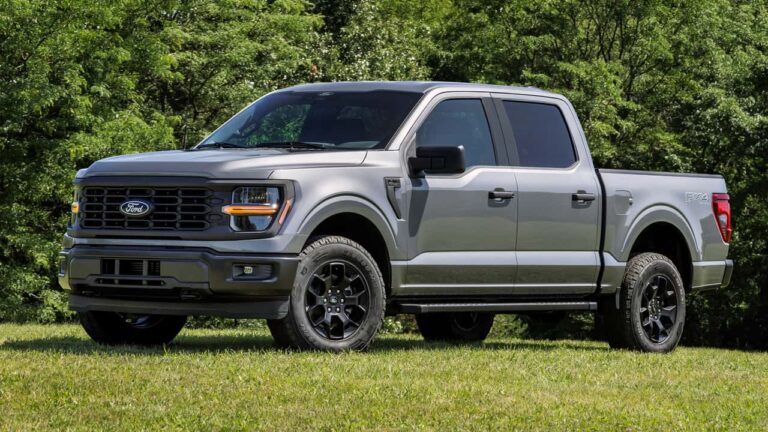
Gooseneck hitches are almost exclusively found in heavy-duty pickup trucks, often referred to as 3/4-ton, 1-ton, or even larger classifications. These include models like:
- Ford F-250, F-350, F-450 (Super Duty series)
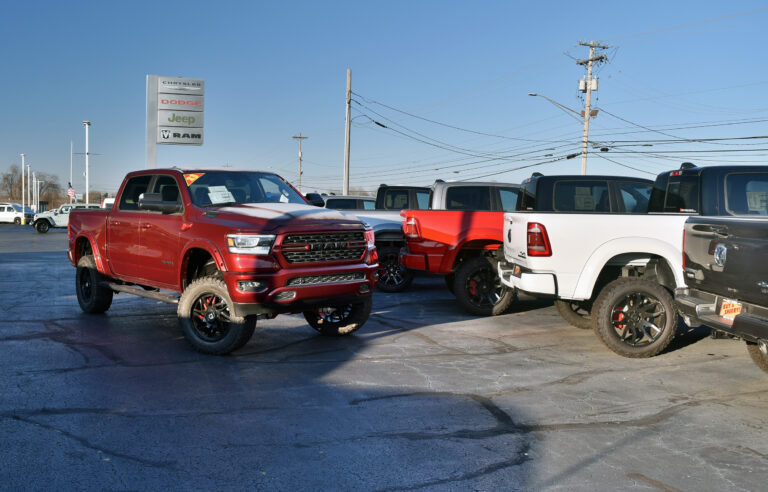
- Ram 2500, 3500 (Heavy Duty series)
- Chevrolet Silverado 2500HD, 3500HD
- GMC Sierra 2500HD, 3500HD
These trucks are built with stronger frames, more robust suspension systems, more powerful engines (often diesel), and specialized braking systems to handle the significant weights associated with gooseneck trailers. Do not attempt to use a half-ton pickup for gooseneck hauling; it simply isn’t designed for it.
Where to Look for Gooseneck-Equipped Truck Rentals:
Finding a truck with a pre-installed gooseneck hitch can be a bit more challenging than finding a standard pickup. Here’s where to focus your search:
- Specialty Truck Rental Companies: Companies like Enterprise Truck Rental, Penske Truck Rental, or Ryder often have a wider selection of heavy-duty trucks, and some of their locations might offer gooseneck-equipped models. It’s crucial to call ahead and confirm the specific hitch type.
- Local Independent Rental Agencies: Smaller, local rental companies sometimes cater to niche markets like construction or agricultural businesses and might have these specialized trucks available. A quick online search for "heavy-duty truck rental " or "gooseneck truck rental " can yield results.
- Equipment Rental Yards: Businesses that rent out construction equipment, farm machinery, or large trailers often have appropriate tow vehicles available as well.
- Dealerships (Less Common but Possible): Some truck dealerships offer rentals, particularly for their heavy-duty lines, and might have trucks with factory gooseneck prep packages.
Common mistakes to avoid are: Assuming all "heavy-duty" rentals come with a gooseneck. Always explicitly ask and confirm the presence of a gooseneck ball in the truck bed, its size, and the overall towing capacity. A truck might have a "fifth-wheel prep package" but not the actual gooseneck ball installed.
The Essential Pre-Rental Checklist: Don’t Leave Without It!
Thorough preparation is paramount when dealing with heavy hauling. A meticulous pre-rental checklist will save you headaches, potential dangers, and unexpected costs.
1. Know Your Load Inside and Out:
- Total Weight: This includes the trailer’s empty weight (tare weight) plus the weight of your cargo. Never estimate; if possible, get an accurate scale weight. This is critical for matching with the truck’s towing capacity.
- Dimensions: Understand the length, width, and height of your trailer and cargo, especially if you’ll be traveling through areas with height restrictions or tight turns.
- Tongue Weight: For gooseneck setups, this refers to the downward force the trailer exerts on the hitch ball. It typically ranges from 15-25% of the total trailer weight. Ensure the truck’s payload capacity can handle this.
2. Trailer Compatibility is Non-Negotiable:
- Gooseneck Coupler Type: Most gooseneck trailers use a standard 2 5/16-inch ball, but always confirm your trailer’s specific coupler size. The rental truck’s ball must match perfectly.
- Trailer Brakes: Does your trailer have electric brakes? Most heavy trailers do. The rental truck must have an integrated trailer brake controller to operate them safely.
- Wiring Connector: Gooseneck trailers typically use a 7-pin round connector for lights, turn signals, and brake power. Verify the rental truck has this connector.
3. Driver Requirements and Qualifications:
- Driver’s License: For most personal hauling, a standard Class D driver’s license is sufficient. However, if your Gross Combined Weight Rating (GCWR – truck + trailer + cargo) exceeds 26,001 pounds AND the trailer alone weighs over 10,000 pounds, a Commercial Driver’s License (CDL) may be required. Always check your state’s specific regulations.
- Age Restrictions: Most rental companies require drivers to be at least 21, and sometimes 25, for heavy-duty trucks.
- Driving Record: A clean driving record is usually a prerequisite for renting specialty vehicles.
4. Insurance: Protect Yourself and Your Cargo:
- Personal Auto Policy: Your personal auto insurance might offer some coverage for rental vehicles, but it’s unlikely to fully cover commercial or heavy-duty rentals, especially concerning the cargo or the immense liability involved.
- Rental Company Insurance: Rental agencies offer various insurance packages (collision damage waiver, liability, personal accident). Carefully review these options and understand their limitations.
- Commercial Insurance: If you’re renting for business purposes, your commercial auto policy might extend coverage. Consult your insurance provider to ensure you have adequate protection for the truck, trailer, and cargo. This is an area where cutting corners can lead to catastrophic financial consequences.
5. Budgeting Beyond the Base Rate:
- Rental Fees: Understand the daily, weekly, or mileage rates.
- Mileage Charges: Many heavy-duty rentals have per-mile charges after a certain allowance. Plan your route to estimate mileage.
- Fuel: Heavy-duty trucks, especially diesels, can have large fuel tanks and consume fuel quickly under load. Factor in significant fuel costs.
- Insurance Costs: Add the cost of any supplemental insurance you purchase.
- Environmental Fees, Taxes, Surcharges: These can add up.
- Deposit: Expect a substantial security deposit.
6. Reservations are Key:
- Book in Advance: Gooseneck-equipped trucks are specialized and not always readily available. Booking well in advance, especially during peak seasons, is crucial.
- Confirm Specifics: When reserving, explicitly confirm the gooseneck hitch installation, ball size, brake controller, and 7-pin connector. Get it in writing if possible.
Operating Your Gooseneck Rental: Safety First!
Once you’ve secured your rental truck, the real work begins. Operating a truck with a heavy gooseneck trailer is vastly different from driving a passenger car. It demands respect, caution, and a solid understanding of heavy vehicle dynamics.
Connecting the Trailer: Step-by-Step
- Positioning: Back the truck up until the gooseneck ball is directly under the trailer’s coupler. Use a spotter if available.
- Lowering the Trailer: Use the trailer’s landing gear to slowly lower the coupler onto the ball. Ensure it’s fully seated and locked.
- Safety Chains: Attach the safety chains in a crisscross pattern under the gooseneck stem to the designated points on the truck bed. This forms a cradle in case of coupler failure.
- Breakaway Cable: Connect the trailer’s breakaway cable to a separate, secure point on the truck’s frame. This cable activates the trailer brakes if it ever separates from the truck.
- Electrical Connection: Plug in the 7-pin electrical connector firmly.
- Raise Landing Gear: Fully retract the trailer’s landing gear. Double-check that it’s clear of the ground.
The Critical Pre-Trip Inspection:
- Lights: Check all trailer lights – running lights, brake lights, turn signals, and hazard lights.
- Brakes: Ensure the trailer brakes are engaging properly, both via the brake pedal and the manual slide on the brake controller.
- Tires: Inspect all truck and trailer tires for proper inflation, tread depth, and any signs of damage or wear. Don’t forget the spare!
- Connections: Re-check the gooseneck coupler, safety chains, and electrical connection.
- Cargo: Ensure your cargo is securely loaded, evenly distributed, and properly tied down to prevent shifting.
Driving Dynamics: Adjust Your Habits
- Wider Turns: Gooseneck trailers pivot closer to the truck’s rear axle, requiring significantly wider turns to prevent the trailer from hitting curbs, signs, or other vehicles.
- Longer Stopping Distances: The added weight means you’ll need much more distance to stop safely. Maintain ample following distance.
- Sway Control: While gooseneck hitches offer superior sway control, strong crosswinds or sudden maneuvers can still induce sway. Drive smoothly and anticipate conditions.
- Hills and Grades: Downshift before ascending or descending steep grades. Use engine braking to control speed on descents, saving your service brakes.
- Speed Limits: Obey posted truck and trailer speed limits, which are often lower than passenger car limits.
Pro tips from us: Practice driving with the empty trailer in a safe, open area before hitting the road with your load. Practice backing up, turning, and stopping. This builds confidence and familiarizes you with the trailer’s unique movements. Always use a spotter when backing up, and take frequent breaks to combat fatigue.
Legal and Regulatory Considerations: Don’t Get Caught Off Guard
Ignoring legal requirements can lead to hefty fines, safety violations, and even impoundment of your vehicle and cargo.
1. Weight Limits and Classifications:
- GVWR (Gross Vehicle Weight Rating): The maximum operating weight of the truck itself (truck + passengers + cargo in the truck bed).
- GAWR (Gross Axle Weight Rating): The maximum weight that can be safely supported by a single axle.
- GCWR (Gross Combined Weight Rating): The maximum permissible loaded weight of the truck and its attached trailer. This is your most critical number when hauling a gooseneck.
- DOT Regulations: If your combined weight exceeds certain thresholds or you’re hauling commercially, you may fall under Department of Transportation (DOT) regulations, requiring logbooks, inspections, and specific permits. (External Link: For detailed DOT regulations and safety guidelines, refer to the Federal Motor Carrier Safety Administration (FMCSA) website: https://www.fmcsa.dot.gov/)
2. Licensing Requirements:
As mentioned, a CDL may be required depending on the GCWR. This varies by state, so always verify the specific licensing requirements for your planned total weight and intended use (personal vs. commercial).
3. Permits for Oversize/Overweight Loads:
If your trailer or cargo exceeds standard legal dimensions (width, height, length) or weight limits, you will need special permits from each state you plan to travel through. This process can be complex and requires advance planning.
Common mistakes to avoid are: Assuming personal use means you’re exempt from all regulations. Even for personal use, exceeding weight limits or not having the correct license can lead to severe consequences.
Renting vs. Buying: A Quick Cost Analysis
The decision to rent or buy a gooseneck-capable truck boils down to frequency of use and budget.
- Renting Makes Sense When:
- You have infrequent or one-off hauling needs.
- You need specialized equipment for a temporary project.
- You want to avoid the high costs of ownership (purchase price, insurance, maintenance, depreciation).
- You need to test different truck capabilities before committing to a purchase.
- Buying Makes Sense When:
- You have regular, ongoing heavy-hauling requirements for a business.
- You need a dedicated truck always available.
- The long-term cost of frequent rentals exceeds the cost of ownership.
For most individuals and small businesses with occasional heavy-hauling tasks, renting offers unparalleled flexibility and cost efficiency.
Post-Rental Procedures: Closing the Loop
A smooth rental experience extends to the return process.
- Inspect for Damage: Before returning, thoroughly inspect the truck for any new damage. Document existing damage during pickup to avoid unwarranted charges.
- Refuel: Most rental agreements require you to return the truck with a full tank of fuel. Diesel trucks can be expensive to fill, so plan accordingly.
- Return on Time: Late returns can incur significant additional fees.
- Documentation: Keep all your rental agreements, inspection checklists, and receipts. This is your proof of a proper return.
The Road Ahead: Haul with Confidence
Renting a truck with a gooseneck hitch is a practical and powerful solution for your heavy-duty hauling needs. It grants you access to incredible towing capacity and stability without the commitment of ownership. By understanding the gooseneck system, meticulously planning your rental, adhering to safety protocols, and respecting legal guidelines, you can transform a daunting task into a manageable and successful endeavor.
Based on my extensive experience, the key to success lies in thorough preparation and an unwavering commitment to safety. Don’t rush, don’t guess, and always prioritize the well-being of yourself, your cargo, and others on the road. With this ultimate guide in hand, you’re well-equipped to tackle your next big haul with confidence and expertise. Happy trails!
(Internal Link Placeholder 1: For more in-depth insights into calculating your towing needs, read our piece on .)
(Internal Link Placeholder 2: If you’re also considering different hitch types, check out our guide on .)