New Medium Duty Trucks For Sale: Your Ultimate Guide to Buying the Perfect Commercial Vehicle
New Medium Duty Trucks For Sale: Your Ultimate Guide to Buying the Perfect Commercial Vehicle Lmctruck.Guidemechanic.com
The backbone of countless businesses, medium-duty trucks are the unsung heroes of logistics, construction, delivery, and a myriad of specialized services. If you’re looking to expand your fleet, replace an aging workhorse, or start a new venture, the market for new medium duty trucks for sale offers an impressive array of options designed to meet diverse operational demands. This comprehensive guide will walk you through everything you need to know, from understanding what these powerful vehicles are, to selecting the right features, navigating the buying process, and ensuring long-term value.
Investing in a new medium-duty truck is a significant decision that impacts your operational efficiency, safety, and bottom line. With advancements in technology, fuel efficiency, and driver comfort, today’s medium-duty trucks are more capable and sophisticated than ever before. Our goal is to equip you with the knowledge to make an informed choice that propels your business forward.
New Medium Duty Trucks For Sale: Your Ultimate Guide to Buying the Perfect Commercial Vehicle
What Exactly Are Medium-Duty Trucks? Defining the Workhorse Category
Before diving into the specifics of finding new medium duty trucks for sale, it’s crucial to understand what distinguishes them. Medium-duty trucks typically fall into Class 4, 5, and 6 based on their Gross Vehicle Weight Rating (GVWR). The GVWR is the maximum operating weight of the truck as specified by the manufacturer, including the vehicle’s chassis, body, engine, fuel, accessories, driver, passengers, and cargo.
- Class 4 Trucks: GVWR ranges from 14,001 to 16,000 pounds. These are often seen as heavy-duty pickups or light commercial vehicles, used for heavier towing or specialized upfits.
- Class 5 Trucks: GVWR ranges from 16,001 to 19,500 pounds. This class includes many common chassis cabs that are upfitted with various bodies for delivery or service.
- Class 6 Trucks: GVWR ranges from 19,501 to 26,000 pounds. These are often larger box trucks, refrigerated trucks, or small dump trucks, frequently used for local and regional hauling.
Unlike light-duty trucks (Classes 1-3) which include most consumer pickups and vans, medium-duty trucks are engineered for sustained heavy work. They offer greater payload capacity, more robust powertrains, and specialized chassis designs. They also differ from heavy-duty trucks (Classes 7-8), which are typically tractor-trailers or very large vocational trucks requiring a Commercial Driver’s License (CDL) for operation. Many Class 4-6 medium-duty trucks can be operated without a CDL, depending on their specific GVWR and the cargo they carry, making them highly versatile for a wide range of businesses.
Why Choose a New Medium-Duty Truck for Your Business?
Opting for new medium duty trucks for sale over used models presents several compelling advantages that can significantly benefit your operations. While the initial investment might be higher, the long-term value often outweighs the cost.
Firstly, unparalleled reliability and peace of mind come standard with a new vehicle. You’re getting a truck with zero mileage, a full factory warranty, and the assurance that it hasn’t been subjected to previous wear and tear. This translates into fewer unexpected breakdowns, reduced downtime, and lower repair costs in the critical early years of ownership. Based on my experience in the commercial vehicle industry, minimizing downtime is paramount for any business; every hour a truck is off the road costs money and impacts customer satisfaction.
Secondly, new trucks are equipped with the latest advancements in technology and safety. This includes more fuel-efficient engines, sophisticated driver-assist systems, improved ergonomics, and advanced telematics. These features not only enhance driver safety and comfort but can also lead to significant savings in fuel consumption and insurance premiums. Modern engines, in particular, are designed to meet stringent emissions standards, which can be a key compliance factor for many businesses.
Furthermore, purchasing new offers unmatched customization opportunities. When you buy new, you can specify the exact chassis, engine, transmission, axle ratios, and body type to perfectly match your unique operational requirements. This tailored approach ensures your truck is optimized for its intended purpose from day one, maximizing efficiency and productivity. You’re not compromising on features or capabilities; you’re building a tool specifically designed for your success.
Key Considerations Before You Buy Your New Medium-Duty Truck
The journey to finding the ideal new medium duty trucks for sale begins with a thorough understanding of your specific needs. This isn’t just about picking a color; it’s about matching a complex piece of machinery to critical business functions.
1. Define Your Application and Purpose
What will your new medium-duty truck primarily be used for? This is the most fundamental question. Different applications demand different specifications.
- Delivery Services: A box truck or refrigerated truck might be necessary. Consider urban vs. long-haul routes.
- Construction/Landscaping: Dump trucks, flatbeds, or utility trucks with cranes or tool compartments are common.
- Utility/Service Work: Chassis cabs with custom service bodies, aerial lifts, or specialized equipment are essential.
- Towing/Recovery: Wrecker bodies or heavy-duty towing capabilities will be key.
Understanding the daily tasks, typical loads, and operating environment (city streets, highways, off-road) will guide every subsequent decision. Pro tips from us: Always overestimate your needs slightly. It’s better to have a bit more capacity than to constantly operate at the truck’s limits, which can accelerate wear and tear.
2. Gross Vehicle Weight Rating (GVWR) and Payload
Matching the truck’s GVWR to your maximum anticipated load is critical for safety, legality, and longevity. Overloading a truck is a common mistake to avoid, as it compromises braking, handling, and can lead to premature component failure.
- Carefully calculate the weight of your heaviest cargo, plus any specialized equipment, tools, and even the weight of your crew.
- Ensure the truck’s GVWR comfortably exceeds this total. Remember, the truck body itself contributes to the overall weight.
A good dealer will help you configure a truck that legally and safely handles your maximum payload while staying within the medium-duty classification you desire.
3. Engine and Drivetrain Selection
The heart of your new medium-duty truck lies in its engine and drivetrain. You’ll typically choose between diesel and gasoline engines, each with distinct advantages.
- Diesel Engines: Known for their torque, durability, and better fuel economy under heavy loads, diesel engines are the workhorses of the commercial world. They excel in applications requiring sustained power and higher mileage. However, they generally have a higher upfront cost and more complex emissions systems.
- Gasoline Engines: Often a more affordable option upfront, gasoline engines offer smoother, quieter operation and can be more cost-effective for lower mileage applications or lighter loads. They are also generally simpler to maintain.
Beyond the engine, consider the transmission (manual vs. automatic, number of speeds) and axle ratios. These components directly impact the truck’s performance, fuel efficiency, and ability to handle specific tasks like climbing steep grades or achieving highway speeds.
4. Cab Configuration and Driver Comfort
The cab is where your drivers spend their day, so comfort and functionality are paramount.
- Day Cab: Standard for local routes, offering seating for two or three.
- Extended Cab/Crew Cab: Provides additional seating for a larger crew, essential for many construction or service teams.
Features like air conditioning, power windows, ergonomic seating, infotainment systems, and ample storage can significantly improve driver morale and productivity. A comfortable driver is a safer and more efficient driver.
5. Body Type and Upfitting Options
This is where the truck truly becomes a specialized tool. The chassis cab is just the foundation; the body transforms it.
- Box Trucks: Ideal for dry freight delivery.
- Refrigerated Trucks (Reefers): Essential for perishable goods.
- Flatbeds: Versatile for hauling oversized or irregularly shaped cargo.
- Dump Trucks: Used for bulk materials in construction and landscaping.
- Service/Utility Bodies: Customizable with compartments, cranes, and specialized tools.
When looking at new medium duty trucks for sale, consider the vast array of aftermarket upfitting companies. Many dealerships partner with these specialists to provide a turn-key solution, ensuring the chassis and body integrate seamlessly. For a deeper dive into choosing the right truck body, check out our article on .
6. Features, Technology, and Safety
Modern medium-duty trucks are loaded with features designed to enhance safety, efficiency, and connectivity.
- Advanced Driver-Assistance Systems (ADAS): Lane departure warning, automatic emergency braking, adaptive cruise control, and blind-spot monitoring can significantly reduce accident risk.
- Telematics and Fleet Management Systems: These technologies allow for real-time tracking, diagnostics, route optimization, and driver behavior monitoring, leading to better operational control and cost savings.
- Infotainment and Connectivity: Bluetooth, USB ports, and integrated navigation systems make long days on the road more manageable and productive for drivers.
7. Budget and Operating Costs
Beyond the initial purchase price, consider the total cost of ownership (TCO).
- Fuel Efficiency: A major ongoing expense. Newer engines are often more efficient.
- Maintenance and Repairs: New trucks come with warranties, but scheduled maintenance is still crucial.
- Insurance: Commercial vehicle insurance can be substantial; get quotes early.
- Resale Value: Certain manufacturers and configurations tend to hold their value better.
Pro tips from us: Always factor in depreciation and potential downtime costs when calculating your true budget. A slightly more expensive truck upfront might save you significantly in operating costs over its lifespan.
Popular Medium-Duty Truck Manufacturers and Models
The market for new medium duty trucks for sale is robust, with several reputable manufacturers offering excellent options. Each brand brings its own strengths to the table.
- Ford: The F-650 and F-750 models are highly popular, known for their versatility, robust chassis, and powerful engines (including both gasoline and diesel options). They are often configured as box trucks, dump trucks, or service vehicles.
- Ram: The Ram 4500 and 5500 Chassis Cabs are formidable contenders, especially for vocational applications requiring substantial towing and payload capacity. They offer strong Hemi gasoline engines and Cummins turbo diesel options.
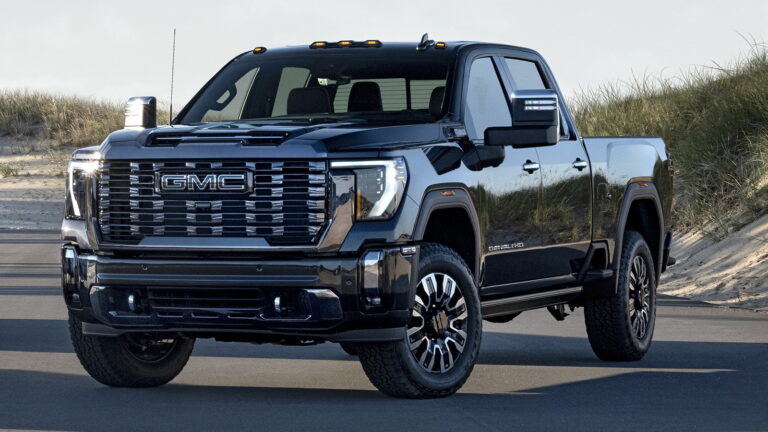
- Chevrolet/GMC: The Silverado 4500HD, 5500HD, and 6500HD models are built for durability and offer a range of diesel powertrain options, making them ideal for a variety of medium-duty tasks.
- International: The MV Series from International is a staple in the medium-duty segment, celebrated for its driver comfort, visibility, and a wide array of configurations suitable for everything from utility work to regional delivery.
- Freightliner: The M2 106 is a very common sight, renowned for its reliability, ease of maintenance, and adaptability. It’s a favorite for businesses needing a dependable platform for various body types.
- Hino: Hino, a Toyota Group company, offers the L Series (formerly 268, 338, etc.) which are known for their fuel efficiency, strong warranty, and excellent driver amenities.
- Isuzu: The N-Series (NPR, NQR, NRR) are particularly popular in urban delivery settings due to their maneuverability, excellent visibility from the cab-over-engine design, and fuel-efficient diesel engines.
When exploring new medium duty trucks for sale, it’s wise to research specific models that align with your requirements and visit dealerships to compare features, test drive, and discuss customization options.
The Buying Process: A Step-by-Step Guide
Purchasing a new medium-duty truck can seem daunting, but breaking it down into manageable steps makes the process smoother.
- Thorough Research & Needs Assessment: As detailed above, clearly define your application, payload, engine preference, and desired features. This initial homework is invaluable.
- Manufacturer & Model Comparison: Identify a few brands and models that meet your criteria. Read reviews, compare specifications online, and talk to other business owners in your industry.
- Dealership Engagement: Contact reputable commercial truck dealerships. A good commercial vehicle dealer will have specialized sales staff who understand fleet needs and can guide you through configurations and upfitting options.
- Test Drive: If possible, test drive a similar model or chassis. Pay attention to visibility, maneuverability, braking, and overall driver ergonomics. This is your chance to feel the truck in action.
- Customization and Upfit Planning: Work closely with the dealer and upfitter to finalize the truck’s body, equipment, and any special modifications. Ensure all components are compatible and meet safety standards.
- Financing Options Exploration: Discuss various financing solutions with the dealer’s finance department. This includes traditional loans, leases, and other commercial lending products.
- Negotiation: Don’t be afraid to negotiate the price. Be prepared with competitor quotes if you have them. Always get the final price, including all fees and taxes, in writing.
- Order Placement & Delivery: Once you’ve agreed on terms, place your order. The lead time for new medium-duty trucks, especially custom upfitted ones, can vary. Stay in communication with your dealer regarding delivery schedules.
- Post-Purchase Support: Understand the warranty details, scheduled maintenance plans, and available service facilities. A strong relationship with your dealer’s service department is crucial for long-term success.
Financing Your Investment: Smart Strategies for New Medium-Duty Trucks
For many businesses, securing the right financing for new medium duty trucks for sale is as critical as choosing the truck itself. There are several avenues to explore, each with its own benefits and considerations.
- Traditional Commercial Loans: This is a straightforward path where you borrow the full purchase price and make monthly payments over a set term, eventually owning the truck outright. It’s good for businesses that want to build equity in their assets.
- Leasing: Commercial truck leasing offers flexibility. You make monthly payments for the use of the truck for a specified period, after which you can return it, purchase it, or lease a new one. Leasing often results in lower monthly payments and allows businesses to upgrade their fleet more frequently. It can also offer tax advantages as lease payments might be fully deductible as an operating expense.
- Terminal Rental Adjustment Clause (TRAC) Leases: A popular option for commercial vehicles, a TRAC lease combines elements of a loan and a traditional lease. You agree to a residual value for the truck at the end of the term. If the truck sells for more than the residual, you get the difference; if it sells for less, you pay the difference. This can offer lower monthly payments and allows for potential equity at the end of the term.
Pro tips from us: Compare offers from multiple lenders – not just the dealership. Banks, credit unions, and specialized commercial vehicle lenders can all provide competitive rates. Understand the total cost of each option, including interest, fees, and any end-of-lease penalties. Also, consult with your tax advisor regarding potential tax benefits, such as Section 179 deductions, which allow businesses to deduct the full purchase price of qualifying equipment (including many medium-duty trucks) in the year it’s put into service, rather than depreciating it over several years. This can provide a significant cash flow advantage.
Maintenance and Longevity for Your Medium-Duty Truck
Once you’ve invested in new medium duty trucks for sale, proactive maintenance is key to maximizing their lifespan, ensuring safety, and preserving their resale value.
- Adhere to Manufacturer’s Schedule: This is non-negotiable. Follow the recommended intervals for oil changes, fluid checks, filter replacements, tire rotations, and comprehensive inspections. Skipping these can void warranties and lead to costly repairs down the line.
- Leverage Warranty Benefits: Understand what your factory warranty covers and for how long. Address any issues promptly while they are still covered. Extended warranties can also provide peace of mind for critical components beyond the standard coverage.
- Regular Inspections: Encourage drivers to perform daily pre-trip and post-trip inspections, checking lights, tires, brakes, and fluid levels. Early detection of minor issues can prevent them from escalating into major problems.
- Driver Training: Properly trained drivers operate vehicles more efficiently and safely, reducing wear and tear. Educate them on proper loading techniques, gentle acceleration and braking, and recognizing warning signs.
Common mistakes to avoid are: delaying scheduled maintenance to save money in the short term, consistently overloading the truck, using non-approved parts or fluids, and ignoring dashboard warning lights. These habits can drastically shorten your truck’s life and lead to expensive, unexpected downtime. Your medium-duty truck is an asset; treat it like one, and it will serve your business faithfully for years. If you’re weighing the pros and cons of new versus used, our comprehensive guide on can provide further insights.
Future Trends in Medium-Duty Trucks
The commercial vehicle industry is constantly evolving, and the segment of new medium duty trucks for sale is no exception. Staying aware of upcoming trends can help you make future-proof decisions.
- Electrification: Electric medium-duty trucks are becoming a reality, especially for last-mile delivery and urban operations. Manufacturers like Ford (E-Transit Chassis Cab), GM (BrightDrop), and various startups are introducing electric models that offer zero emissions, lower operating costs (due to cheaper "fuel" and reduced maintenance), and quieter operation. While the upfront cost is higher, incentives and long-term savings are making them increasingly attractive.
- Advanced Safety Systems: Expect to see even more sophisticated ADAS features become standard. Technologies like enhanced automatic emergency braking, pedestrian detection, and 360-degree camera systems will continue to improve driver and public safety.
- Connectivity and Telematics: The integration of telematics will deepen, offering more granular data on vehicle performance, driver behavior, and predictive maintenance. This allows businesses to optimize routes, manage fuel consumption, and anticipate service needs before they become critical failures.
- Alternative Fuels: Beyond pure electric, expect continued development in hydrogen fuel cell technology and potentially natural gas options for specific applications, offering diverse paths towards reducing carbon footprints.
- Lightweight Materials: Manufacturers are exploring lighter yet strong materials to increase payload capacity without compromising structural integrity or fuel efficiency.
These trends highlight a future where medium-duty trucks are not just powerful workhorses but also technologically advanced, environmentally friendly, and increasingly intelligent assets that contribute significantly to a business’s operational efficiency and sustainability goals. For more information on commercial vehicle regulations and safety, you can visit trusted sources like the Federal Motor Carrier Safety Administration (FMCSA).
Conclusion: Driving Your Business Forward with the Right Medium-Duty Truck
Navigating the market for new medium duty trucks for sale requires careful consideration, thorough research, and a clear understanding of your business’s unique needs. From defining your specific application and selecting the right GVWR to exploring financing options and planning for long-term maintenance, every step is crucial in securing a vehicle that will be a true asset to your operations.
By leveraging the insights in this guide, you’re empowered to make an informed decision, choosing a medium-duty truck that not only meets your current demands but also positions your business for future growth and success. Remember, a new medium-duty truck is more than just a vehicle; it’s a vital investment in your company’s productivity, reliability, and profitability. Start your journey today, connect with reputable dealers, and drive your business forward with confidence.