Navigating the Heights: The Ultimate Guide to 26-Foot Box Truck Clearance
Navigating the Heights: The Ultimate Guide to 26-Foot Box Truck Clearance Lmctruck.Guidemechanic.com
Driving a 26-foot box truck is a significant responsibility, whether you’re a seasoned professional mover, a delivery driver, or simply renting one for a big move. These versatile vehicles are the backbone of many logistical operations, but their sheer size, particularly their height, presents unique challenges that demand careful attention. Overlooking a critical detail like height clearance can lead to devastating consequences, from minor scrapes to catastrophic accidents, significant financial penalties, and even serious injuries.
This in-depth guide is your definitive resource for understanding everything about 26-foot box truck height clearance. We’ll dive deep into standard dimensions, factors that influence a truck’s true height, the critical importance of accurate measurement, and expert strategies for safe navigation. Our goal is to equip you with the knowledge and confidence to drive safely and efficiently, avoiding costly mistakes and ensuring a smooth journey every time.
Navigating the Heights: The Ultimate Guide to 26-Foot Box Truck Clearance
The Mighty 26-Foot Box Truck: A Brief Overview
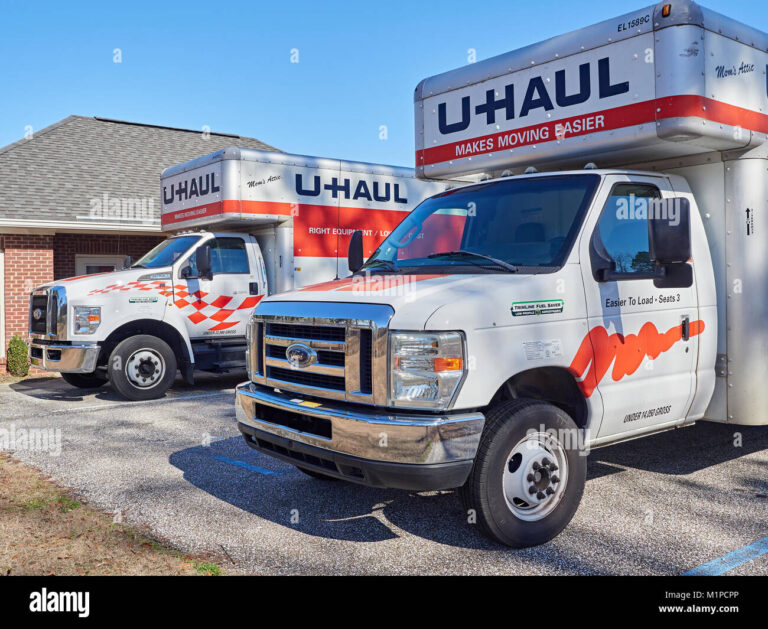
Before we delve into height specifics, let’s briefly define what we mean by a "26-foot box truck." This classification typically refers to the length of the cargo box, measuring approximately 26 feet from front to back. These trucks are a popular choice for large-scale moves, local deliveries, and various commercial hauling needs because they offer a substantial amount of enclosed cargo space. They are often driven by individuals with a standard driver’s license, though some states or specific gross vehicle weight ratings (GVWR) might require a Commercial Driver’s License (CDL).
Despite their common designation, these trucks are far from uniform. Variations exist across manufacturers, models, and even specific configurations, especially when it comes to their overall height. This is precisely why a "one-size-fits-all" approach to clearance is incredibly dangerous.
The Crucial Question: What is the Standard Height Clearance for a 26-Foot Box Truck?
When you ask about the height of a 26-foot box truck, you’ll often get a range rather than a single definitive number. This is because there isn’t one universal standard. However, based on industry averages and common manufacturer specifications, most 26-foot box trucks have an average exterior height ranging from 11 feet to 13 feet 6 inches.
This range might seem broad, but it’s crucial to understand why. Many factors contribute to the final measurement, and even a few inches can make the difference between a safe passage and a costly collision. For instance, a common rental truck from a major company might be advertised with a specific height, but even within that company, variations can occur based on the specific model year or optional features.
Factors Influencing a 26-Foot Box Truck’s Actual Height
To truly understand your truck’s clearance, you need to consider more than just a general estimate. Several elements can significantly alter the overall height of a 26-foot box truck.
Manufacturer Specifications and Model Variations
Every truck manufacturer has its own design philosophies and build standards. A Ford F-series chassis with a 26-foot box might have different dimensions than an Isuzu N-series or a Freightliner M2. Even within the same manufacturer, different model years or specific trim levels can have slight variations in cab height, frame height, and ultimately, the box’s highest point. Always consult the truck’s official specifications, typically found on a sticker inside the door jamb or in the owner’s manual.
Roof-Mounted Equipment and Accessories
This is perhaps the most frequently overlooked factor and a common culprit in low-clearance incidents. While the cargo box itself has a certain height, many box trucks come equipped with, or have added, various items on the roof that extend above the main structure.
- Air Conditioning Units: Many trucks, especially those used for longer hauls or by professional movers, have roof-mounted AC units for the cabin or even for cooling the cargo area. These can add anywhere from 6 inches to over a foot to the overall height.
- Aerodynamic Deflectors/Fairings: Designed to improve fuel efficiency, these can sit above the cab and sometimes even slightly above the front of the box.
- Lights and Antennas: While usually minor, even auxiliary lights or specific antenna setups can be the highest point on the vehicle.
- Liftgate Mechanisms: Some liftgates, when in their stowed position, might have components that extend slightly above the rear roofline.
Based on my experience, always assume the highest point isn’t the box itself, but rather something on the box or cab. This vigilance can prevent serious damage.
Suspension Type and Condition
The type of suspension system can also play a role. Trucks with air-ride suspensions might have a slight variance in height depending on their load and air pressure settings, although this difference is usually minimal for overall clearance calculations. The condition of the suspension, such as worn springs or shocks, could theoretically cause a slight sag, but for practical purposes, it’s safer to measure the truck at its ideal height.
Tire Size and Inflation
While often a minor contributor, the diameter of the tires and their inflation pressure can slightly affect the overall height. Undersized or underinflated tires will marginally reduce the height, while oversized tires would increase it. Always ensure your tires are correctly inflated according to the manufacturer’s recommendations.
Load and Weight Distribution (Minimal Impact on Height)
It’s important to clarify that the weight of your load generally does not significantly alter the overall height of a box truck, especially if it has a robust suspension system. Unlike a heavily loaded car that might squat, commercial trucks are designed to carry substantial weight without major changes to their ride height. The key here is the exterior height, not how much the suspension compresses.
Why Height Clearance is Non-Negotiable: The Risks of Miscalculation
Understanding your truck’s exact height isn’t just a good idea; it’s absolutely critical for safety, legal compliance, and avoiding costly disasters. The consequences of misjudging clearance can be severe and far-reaching.
Catastrophic Bridge Strikes and Structural Damage
This is the most obvious and often most spectacular risk. Hitting a low bridge or overpass can instantly shear off the top of a box truck, causing immense damage to the vehicle and its cargo. Beyond the immediate damage, it can compromise the structural integrity of the bridge itself, leading to road closures, extensive repair costs, and significant public safety hazards.
Based on my experience, bridge strikes are almost always avoidable with proper planning and adherence to measured clearances. The images of trucks "can-opening" on low bridges are a stark reminder of this danger.
Parking Garages, Drive-Thru Awnings, and Fuel Station Canopies
It’s not just bridges that pose a threat. Many urban and suburban environments are littered with low-clearance structures not designed for commercial vehicles. Parking garages are notorious for having low ceilings, as are many drive-thru awnings at fast-food restaurants or banks. Even fuel station canopies, while generally higher, can sometimes be surprisingly low, especially older ones. A moment of inattention can lead to expensive repairs for both your truck and the damaged property.
Utility Wires, Tree Limbs, and Overhead Obstructions
Beyond fixed structures, environmental elements like sagging utility wires, low-hanging tree limbs, and even temporary banners or signs can snag the top of a box truck. While these might seem less severe, they can still cause damage, pull down power lines (creating a major hazard), or rip off roof-mounted equipment.
Legal Consequences, Fines, and Insurance Headaches
Hitting a structure due to improper clearance can lead to significant legal troubles. You could face citations for reckless driving, property damage charges, and hefty fines. Your insurance premiums will likely skyrocket, and in some cases, certain damages might not even be covered if negligence is proven. Furthermore, if you’re driving for a company, your job could be at stake.
Safety Hazards and Personal Injury
The most important consequence, of course, is the risk to human life and safety. A bridge strike can cause the truck to become unstable, potentially leading to rollovers or secondary collisions. Falling debris from a damaged structure or vehicle poses a threat to other motorists and pedestrians. Even a seemingly minor incident can cause significant stress and trauma.
Pro Tips for Accurate Height Measurement
Given the critical importance of knowing your truck’s exact height, accurate measurement is paramount. Do not rely on estimates or generic figures.
- Measure Your Specific Truck: Never assume that all 26-foot box trucks are the same height, even from the same rental company or manufacturer. Each vehicle is unique.
- Ensure the Truck is Empty and on Level Ground: For the most accurate measurement, the truck should be unladen (empty) and parked on a perfectly flat, level surface. This ensures the suspension is at its natural, uncompressed height.
- Identify the Absolute Highest Point: This is crucial. Don’t just measure to the top of the cargo box. Carefully inspect the entire roofline, including the cab. Look for:
- Roof-mounted AC units.
- Aerodynamic fairings.
- Antennas or additional lights.
- Any part of a liftgate mechanism that might extend upwards when stowed.
- Pro tips from us: Get on a ladder if necessary to visually confirm the absolute highest point. Sometimes a small bolt or a corner of an accessory is higher than the main structure.
- Use a Long Tape Measure and a Level/Straight Edge:
- Extend a long, sturdy tape measure from the highest point straight down to the ground.
- For precision, place a straight edge (like a long ruler or a piece of wood) across the highest point, extending it horizontally. Then measure from the underside of the straight edge down to the ground. This eliminates any parallax error.
- Record the Measurement Clearly (Inside the Cab!): Once you have the exact measurement, write it down in a prominent place inside the cab. Many drivers use a piece of tape on the dashboard or sun visor. This ensures you always have the critical number visible while driving.
- Re-measure After Modifications: If any equipment is added to the roof, or if the suspension or tires are changed, you must re-measure the truck’s height.
Navigating the Roads: Route Planning for Tall Vehicles
Knowing your truck’s height is only half the battle. The other half is using that information to safely navigate your route.
Invest in a Trucker-Specific GPS System
Standard car GPS systems are designed for passenger vehicles and do not account for vehicle dimensions like height, weight, or length. A dedicated trucker GPS allows you to input your truck’s specific dimensions, including its height, and will then generate routes that avoid low bridges, weight-restricted roads, and other commercial vehicle limitations. This is perhaps the single most valuable tool for safe box truck operation.
Read All Road Signs Carefully
This might seem obvious, but it’s astonishing how often drivers miss crucial information. Pay meticulous attention to:
- Low Clearance Signs: These are usually yellow with black lettering and clearly state the maximum height allowed (e.g., "Clearance 12 FT 6 IN"). Always err on the side of caution. If your truck is 12′ 6" and the sign says 12′ 6", consider it a potential risk, as pavement changes or resurfacing can reduce actual clearance.
- Weight Limit Signs: While not directly height-related, these indicate roads not suitable for heavy vehicles, which often correlates with infrastructure not designed for large trucks.
- No Commercial Vehicle Signs: These might indicate residential areas or roads with specific restrictions that could include height limitations.
Pre-Trip Planning with Digital Tools
Before you even turn the key, plan your route.
- Google Maps Street View and Satellite Imagery: Utilize these tools to virtually "drive" your route. Look for bridges, underpasses, and potential obstacles. Street View can often show low clearance signs.
- Online Trucker Resources: Many online forums and dedicated websites provide information on problematic low-clearance areas in specific regions.
- Call Ahead: If you’re delivering to a specific location (e.g., a loading dock, a residential driveway), call the recipient and ask about access restrictions, including any overhead obstructions like tree limbs or low wires.
Avoid Residential Areas and Unfamiliar Roads
Wherever possible, stick to designated truck routes, highways, and main arterial roads. Residential streets are often not designed for large trucks, frequently feature low-hanging trees, parked cars, and narrower lanes that increase the risk of an incident. Unfamiliar roads, especially at night or in bad weather, compound the challenge of identifying hazards.
Legal & Regulatory Considerations for Commercial Vehicles
While a 26-foot box truck might not always require a CDL, it’s still considered a commercial vehicle in many contexts and is subject to various regulations.
- Department of Transportation (DOT) Regulations: The DOT oversees commercial vehicle safety. While specific height limits vary by state, there are general expectations for safe operation. For example, the Federal Highway Administration (FHWA) maintains data on bridge clearances. .
- State-Specific Height Restrictions: Every state has legal maximum height limits for vehicles operating on its roadways. These typically range from 13 feet 6 inches to 14 feet. It’s crucial to be aware of the limits in any state you plan to drive through. Exceeding these limits without a special permit is illegal and dangerous.
- Permits for Oversized Loads: While a standard 26-foot box truck is usually within legal height limits, if you have an unusually tall load or specialized equipment that pushes you over the state maximums, you would need to acquire special oversized load permits. This is rare for a typical box truck but important to know.
Common Mistakes to Avoid When Driving a Tall Vehicle
Even experienced drivers can fall prey to common errors when it comes to height clearance. Recognizing these pitfalls can help you stay safe.
- Assuming Standard Heights: This is perhaps the biggest mistake. Never assume your current rental or company truck is the same height as the last one you drove. Always verify.
- Forgetting Roof-Mounted Equipment: The top of the cargo box is rarely the highest point. Always account for AC units, fairings, antennas, and any other protrusions.
- Ignoring Road Signs (or Misreading Them): A momentary lapse in attention can lead to missing a critical low-clearance warning. Read all signs carefully and double-check them if unsure.
- Relying Solely on Car GPS: As mentioned, standard GPS systems are not designed for commercial vehicles and will not warn you about height restrictions.
- Not Measuring After Modifications: Any change to the truck’s roofline or suspension requires a new height measurement.
- Driving Tired or Distracted: Fatigue and distraction impair judgment and reaction time, making it easier to miss crucial warning signs or misjudge a situation.
- Pro tips from us: When in doubt, always stop, get out, and visually inspect the clearance if you suspect an issue. It’s better to be delayed by a few minutes than to cause an accident.
What to Do If You Encounter a Low Clearance (Pre-Collision)
Despite your best planning, you might occasionally find yourself approaching a low-clearance structure that you hadn’t anticipated or that appears lower than expected.
- Stop Safely and Immediately: As soon as you realize there might be an issue, pull over to the side of the road or into a safe pull-off area. Do not attempt to "squeeze through" or hope for the best.
- Assess the Situation: Get out of the truck and visually inspect the clearance. If possible, use your tape measure to confirm the actual height of the obstruction versus your truck’s recorded height. Look for signs of previous collisions on the structure, which might indicate a tricky spot.
- Find an Alternate Route: Your priority is to find a safe way around the obstruction. Consult your trucker GPS or a detailed map to identify alternative roads.
- Never Attempt to Force It: Even if it looks like you might fit, don’t risk it. Pavement irregularities, slight inclines, or even a strong gust of wind can cause that "might fit" to become a catastrophic strike. Backing up safely, if possible, or turning around is always the better option.
Choosing the Right Truck for the Job
While this article focuses on 26-foot box trucks, it’s worth noting that choosing the right size truck from the outset can prevent many clearance headaches. If your cargo doesn’t require such a large vehicle, consider a smaller box truck or even a cargo van, which will have fewer height restrictions. Conversely, if you know you’ll be hauling exceptionally tall items, you might need to explore specialized open-top trailers or even flatbeds. .
Maintaining Your Truck and Its Clearance
Regular maintenance isn’t just about engine performance; it also plays a subtle role in maintaining accurate clearance. Ensure your tires are properly inflated, as underinflated tires can slightly reduce your vehicle’s overall height, potentially throwing off your calculations in a tight spot. Regular suspension checks can also prevent unexpected sagging that might alter your truck’s profile over time.
Conclusion: Drive Smart, Drive Safe
The 26-foot box truck is an indispensable tool, offering immense utility for moving goods and belongings. However, its size, particularly its height, demands unwavering respect and meticulous planning. Understanding the standard height ranges, meticulously measuring your specific truck, accounting for all roof-mounted equipment, and employing smart route planning strategies are not just recommendations – they are necessities.
By embracing the principles of accurate measurement, diligent route planning, and constant vigilance, you can navigate the roads safely, protect your cargo, and avoid the potentially catastrophic consequences of misjudging clearance. Drive smart, drive safe, and always know your height!
For more insights into safely operating commercial vehicles, explore our article on .