Navigating the Giants: Unpacking the True Width of a 26ft Truck
Navigating the Giants: Unpacking the True Width of a 26ft Truck Lmctruck.Guidemechanic.com
When you’re planning a big move or need to transport substantial cargo, a 26ft truck often emerges as the go-to solution. It promises ample space for the contents of a multi-bedroom home or a significant commercial delivery. However, while most people focus on the impressive length and cargo capacity, one crucial dimension often gets overlooked: the width of a 26ft truck.
Understanding the true width of these behemoths is not just a matter of curiosity; it’s absolutely essential for safety, route planning, and efficient loading. From navigating tight city streets to ensuring your precious cargo fits through the doors, knowing these dimensions can save you a world of trouble. This comprehensive guide will delve deep into every aspect of a 26ft truck’s width, offering insights that only experience can provide.
Navigating the Giants: Unpacking the True Width of a 26ft Truck
What Exactly Does "26ft Truck" Mean? A Quick Clarification
Before we measure up, let’s clarify a common misconception. When you hear "26ft truck," it almost invariably refers to the length of the cargo box or the internal loadable space, not the overall length of the entire vehicle from bumper to bumper, and certainly not its width. These trucks are typically classified as "straight trucks" or "box trucks," meaning the cargo area is rigidly attached to the chassis and cab, unlike a semi-trailer.
This distinction is vital because the overall length, height, and especially the width, can vary significantly even among trucks with the same stated cargo box length. Factors like the cab design, wheelbase, and manufacturer specifications all play a role in the complete vehicle footprint. Our focus here, however, is on demystifying the width in all its critical forms.
The Crucial Dimensions: Unveiling the Standard Width of a 26ft Truck
When discussing the width of any vehicle, especially a large one, it’s important to differentiate between several measurements. Each has its own significance for different aspects of driving and usage.
1. Exterior Cargo Box Width: The Body Itself
The body of a 26ft truck, excluding side mirrors, typically falls within a consistent range. Most manufacturers design these trucks to adhere to federal and state regulations for commercial vehicles, which often cap the maximum width.
You can expect the exterior width of the cargo box to be around 8 feet (96 inches) to 8.5 feet (102 inches). This measurement gives you a good baseline for how much space the truck’s main body will occupy on the road or in a parking bay. This dimension is relatively stable across different brands, largely due to regulatory standardization.
2. Interior Cargo Box Width: Your Usable Space
While the exterior width tells you how wide the truck is on the outside, the interior width dictates what you can actually fit inside. The internal dimensions will always be slightly less than the exterior due to the thickness of the walls, insulation, and structural supports.
Typically, the interior width of a 26ft truck’s cargo box ranges from approximately 7.5 feet (90 inches) to 8 feet (96 inches). This difference of half a foot or more can be critical when trying to load wide items like king-size mattresses, large couches, or standard pallets. Always verify this specific measurement with your rental company or truck specifications.
3. Overall Width (Including Side Mirrors): The Most Critical Driving Dimension
This is arguably the most important width measurement for anyone planning to drive a 26ft truck. The large, extended side mirrors on these vehicles are absolutely indispensable for visibility, but they significantly increase the truck’s overall footprint.
With mirrors fully extended, the overall width of a 26ft truck can easily reach 10 feet (120 inches) to 11 feet (132 inches). This is a substantial increase from the body width alone and is the dimension you must keep in mind when navigating tight spaces, passing other vehicles, or judging clearances. Based on my experience, underestimating this overall width with mirrors is one of the most common mistakes new truck drivers make, leading to damaged mirrors or worse.
Factors Influencing a 26ft Truck’s Width
While the general ranges provided above are good guidelines, several factors can cause slight variations in a 26ft truck’s dimensions. Being aware of these can help you choose the right vehicle and avoid surprises.
- Manufacturer Variations: Brands like U-Haul, Penske, Budget, Ryder, Isuzu, Hino, and Freightliner all produce 26ft box trucks. While they largely conform to industry standards, there can be minor differences in their chassis design, cab dimensions, and mirror configurations. Always consult the specific vehicle’s specifications.
- Truck Model and Chassis: Even within a single manufacturer, different models or chassis types might have slightly different widths. For instance, a heavy-duty chassis designed for higher payload capacity might have a slightly wider stance.
- Specific Features: While less common for width, certain specialized features like external toolboxes or unique body modifications could theoretically add to the overall width. However, for standard rental or commercial box trucks, this is rarely a significant factor.
- Legal Regulations (DOT): The U.S. Department of Transportation (DOT) and state transportation agencies impose maximum width limits for commercial vehicles operating on public roads. The federal standard for commercial vehicles on the National Network (interstates and designated highways) is 102 inches (8.5 feet), excluding safety devices like mirrors. Most 26ft trucks are designed to stay within these limits, ensuring they are road-legal without special permits.
Why Knowing the Width Matters So Much: Practical Applications & Challenges
Understanding the exact width of a 26ft truck isn’t just academic; it has profound practical implications for safety, efficiency, and legality.
1. Driving Safety and Awareness
The sheer size of a 26ft truck, especially its width, fundamentally changes the driving experience compared to a passenger car.
- Narrow Roads and City Streets: What feels like a wide lane in a car can become a tight squeeze in a 26ft truck. Residential streets with parked cars on both sides or historic downtown areas with narrow passages become significant challenges.
- Overtaking and Lane Positioning: When passing other vehicles, you need substantially more lateral clearance. Maintaining proper lane positioning requires constant vigilance, especially in multi-lane traffic where lanes can sometimes feel narrower than regulation.
- Blind Spots: Despite large side mirrors, these trucks have significant blind spots, particularly along the sides and rear. The wide body exacerbates this, making it crucial to use mirrors constantly and anticipate the movement of smaller vehicles around you. Pro tips from us: Always adjust your mirrors before you start driving, and make sweeping head movements to check for vehicles that might be hiding in your blind spots.
2. Maneuverability in Tight Spaces
Driving a wide vehicle impacts your ability to maneuver in various situations, from parking to turning.
- Turning Radius: While primarily affected by wheelbase, the width plays a role in how much clearance you need to make a turn without clipping curbs, signs, or other vehicles. You’ll need to swing wider than you think.
- Parking: Finding a parking spot large enough for a 26ft truck can be a nightmare. Loading docks, large parking lots, or even your own driveway might feel incredibly small. Proper judgment of the truck’s width is paramount to avoid scrapes and collisions.
- Tight Alleys and Construction Zones: These are scenarios where the overall width with mirrors becomes critically important. Reduced lane widths in construction zones demand extreme precision, and misjudging the width can lead to serious incidents.
3. Route Planning and Navigation
Effective route planning is non-negotiable when driving a large truck. The width plays a significant role in determining viable paths.
- Toll Booths and Drive-Thrus: Many older toll booths and drive-thru lanes were not designed for vehicles with an 11-foot overall width. Always look for "truck lanes" or wider options.
- Overhead Clearances (and Width): While height is usually the primary concern for bridges and tunnels, some underpasses or narrow archways might also have width restrictions. Always be aware of any posted dimensions.
- Residential Access: Delivering to or picking up from a residential address often involves navigating narrow driveways, overhanging tree branches (which can scratch the side of the truck), and limited turning space. Always pre-plan your route using a truck-specific GPS or by scouting ahead, especially if you’re unfamiliar with the area.
4. Loading and Unloading Efficiency
The interior width of the cargo box is your most important measurement when it comes to packing.
- Fitting Large Items: Can your king-size bed frame, oversized sofa, or large appliance fit without being damaged or having to be disassembled? Measure your items and compare them to the interior width before you start loading.
- Pallet Dimensions: Standard U.S. pallets are 40×48 inches. Knowing the interior width helps you calculate how many pallets you can fit side-by-side or lengthwise, optimizing your load.
- Doorways and Ramps: While the rear door opening might be slightly narrower than the interior width due to the door frame, it’s still crucial for getting large items in and out.
5. Legal Compliance
While a standard 26ft truck typically falls within legal width limits for most roads, understanding the regulations is still important. Exceeding legal dimensions (which would typically involve specialized wide-load attachments) would require special permits and escort vehicles. For a standard box truck, the concern is more about staying within the marked lanes and not encroaching on adjacent spaces.
Comparing 26ft Truck Width to Other Vehicles
To truly appreciate the width of a 26ft truck, it helps to put it into perspective by comparing it to more familiar vehicles.
- Standard Passenger Car: A typical mid-size sedan is around 6 feet (72 inches) wide. A 26ft truck, even without mirrors, is about 2 to 2.5 feet wider, and with mirrors, it’s more than double the width.
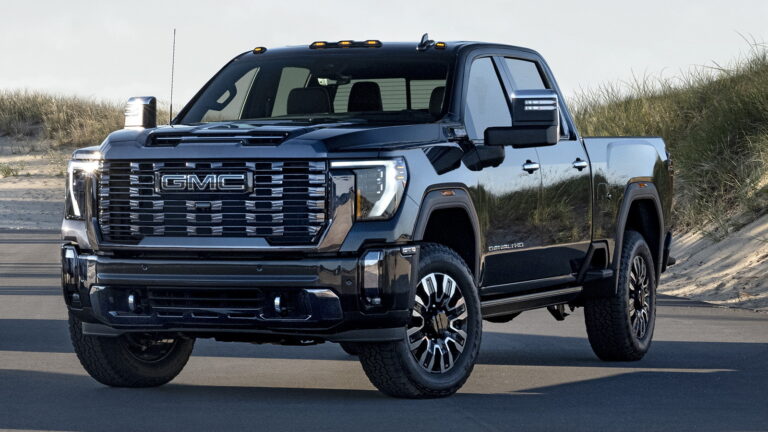
- Pickup Truck: A full-size pickup truck is generally around 6.5 to 7 feet (78-84 inches) wide. Again, the 26ft truck significantly dwarfs it.
- Smaller Moving Trucks (10ft, 15ft, 20ft): While shorter, these trucks usually share a similar body width to the 26ft truck, often ranging from 7.5 to 8 feet. The difference in overall width with mirrors is also relatively consistent.
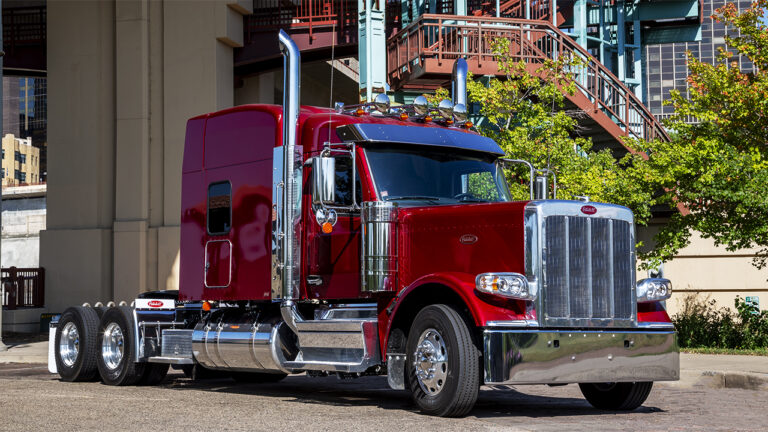
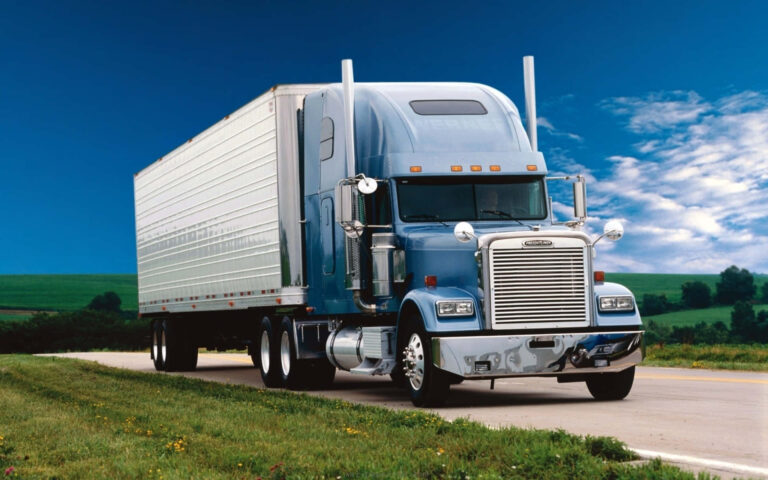
- Larger Commercial Trucks (Semi-Trailers): The trailer portion of an 18-wheeler is typically 8.5 feet (102 inches) wide, which is very similar to the body width of a 26ft truck. The cab of a semi can be slightly wider, and the overall length is, of course, much greater.
This comparison highlights that a 26ft truck is a significant vehicle that requires a different approach to driving and spatial awareness than what most drivers are accustomed to.
Pro Tips for Safely Navigating a 26ft Truck (Considering its Width)
Driving a 26ft truck can be intimidating, but with the right knowledge and practice, it’s manageable. Here are some pro tips to help you navigate safely, especially considering its substantial width:
- Perform a Thorough Pre-Trip Inspection: Before you even start the engine, walk around the entire truck. Check your tires, lights, and most importantly, ensure your side mirrors are clean, properly adjusted, and securely fastened. These mirrors are your lifelines.
- Master Mirror Usage: You’ll be relying on your side mirrors constantly. Practice checking them every 5-8 seconds. Use them to monitor the space around you, especially when changing lanes or making turns. Remember that objects in side mirrors are closer than they appear.
- Maintain Generous Distance: Give yourself more space than you think you need – not just from the vehicle in front, but also from vehicles to your sides. This extra buffer zone allows for wider turns and provides more reaction time.
- Utilize a Spotter When Possible: For backing up, navigating tight driveways, or entering crowded loading docks, having a spotter outside the vehicle can be invaluable. Ensure you have clear hand signals established before you start.
- Be Aware of Your Surroundings (Beyond Just the Road): Always look out for power lines, low-hanging tree branches (which can scratch the truck’s sides), parked cars, street signs, and even mailboxes. Your truck’s width extends further than you might realize.
- Practice Driving in a Safe Environment: If you’re unfamiliar with driving a large truck, take some time in a large, empty parking lot to get a feel for its size, turning radius, and how its width affects your perception. Practice backing up and making wide turns.
- Common mistakes to avoid are:
- Underestimating Mirror Width: Always account for the full extension of your mirrors. They are often the first thing to hit an obstacle.
- Cutting Corners Too Sharply: This can lead to the rear wheels climbing curbs or hitting objects. Always make wide turns.
- Not Checking Overhead Clearances: While this article focuses on width, always be mindful of height too. One without the other is incomplete safety.
- Driving Too Fast for Conditions: Large trucks take longer to stop and are more susceptible to wind and road conditions. Adjust your speed accordingly.
- Leverage Technology: Use a truck-specific GPS that can factor in vehicle dimensions (height, weight, and sometimes width) to avoid routes with restrictions.
- External Link: For more in-depth commercial vehicle safety tips, consider reviewing resources from organizations like the Federal Motor Carrier Safety Administration (FMCSA). For example, their general guide on safe truck driving practices can be found here. (Note: This is a placeholder for a real external link).
Rental Company Specifics: A Quick Note
While the general dimensions discussed are widely applicable, remember that specific rental companies like U-Haul, Penske, and Budget will have their own fleet specifications. The interior dimensions, in particular, can vary slightly.
Always, always, always check the exact dimensions provided by the rental company for the specific 26ft truck model you are reserving or picking up. This information is usually available on their website or directly from a representative. This small step can prevent a lot of headaches later on. For more details on choosing the right truck, you might find our guide on helpful. (Note: This is a placeholder for an internal link).
Conclusion: Drive Smart, Drive Safe
The width of a 26ft truck is a critical dimension that demands respect and careful consideration. It’s not just the 8-8.5 feet of the cargo box; it’s the often-overlooked 10-11 feet with side mirrors that truly defines its presence on the road. From navigating bustling city streets to parking at a busy loading dock, understanding these measurements is paramount for safety, efficiency, and avoiding costly mistakes.
By internalizing these dimensions, planning your routes meticulously, and employing defensive driving techniques, you can confidently and safely manage even the largest of these box trucks. Remember, knowledge is power, and in the world of large vehicle operation, it’s also your best safety feature. For more tips on making your move seamless, be sure to read our article on . (Note: This is a placeholder for an internal link).