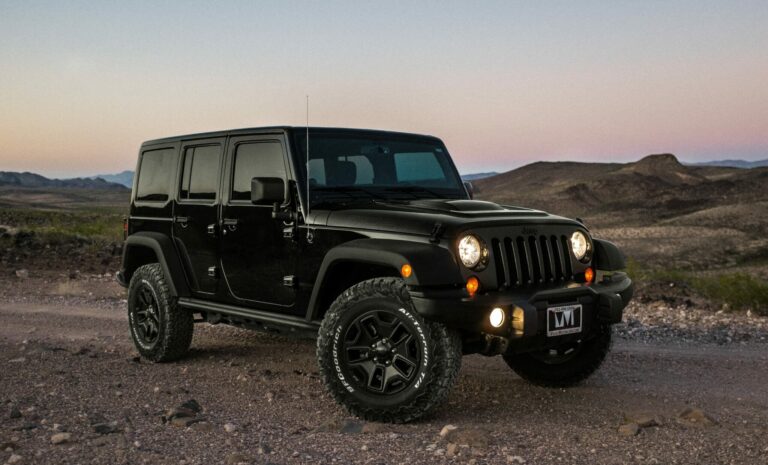
Mastering the Stance: A Deep Dive into Jeep Wheel Offset and Backspacing
Mastering the Stance: A Deep Dive into Jeep Wheel Offset and Backspacing Lmctruck.Guidemechanic.com
For every Jeep enthusiast, the pursuit of the perfect stance is an ongoing journey. It’s about more than just aesthetics; it’s about optimizing performance, ensuring safety, and achieving that distinctive, capable look that only a Jeep can truly embody. At the heart of this pursuit lies a crucial, yet often misunderstood, concept: wheel offset.
As an expert blogger and someone deeply immersed in the world of off-roading, I’ve seen countless Jeeps transformed – for better or worse – by their wheel choices. Understanding wheel offset and its close companion, backspacing, isn’t just technical jargon; it’s fundamental knowledge that will empower you to make informed decisions for your rig. This comprehensive guide will demystify these concepts, explore their profound impact on your Jeep, and provide you with the insights you need to confidently choose and install the ideal wheel setup. Let’s dive in and unlock the secrets to a truly capable and head-turning Jeep.
Mastering the Stance: A Deep Dive into Jeep Wheel Offset and Backspacing
What Exactly is Wheel Offset? The Foundation of Your Jeep’s Stance
Let’s start with the basics. Wheel offset refers to the distance from the mounting surface of the wheel (where it bolts to the hub) to the true centerline of the wheel. This measurement, typically expressed in millimeters, dictates how far your wheel and tire assembly sits inward or outward relative to your vehicle’s frame and fenders.
Understanding the three main types of offset is crucial. Imagine looking at your wheel from the side.
- Positive Offset: This occurs when the mounting surface is outboard (towards the street side) of the wheel’s centerline. A wheel with positive offset will pull the tire further inward, closer to the suspension and frame. Many factory wheels have a positive offset to keep tires tucked neatly within the fender wells.
- Zero Offset: Here, the mounting surface is precisely aligned with the wheel’s centerline. This means the wheel is evenly split, with half of its width extending inward and half extending outward from the hub.
- Negative Offset: This is when the mounting surface is inboard (towards the vehicle’s interior) of the wheel’s centerline. A wheel with negative offset will push the tire further outward, away from the suspension and frame, often creating that aggressive, wide-stance look popular in off-roading.
Based on my experience, positive offset wheels are common on stock Jeeps and passenger cars because they help maintain a narrower track width, which can improve aerodynamics and reduce fender protrusion. Negative offset, on the other hand, is frequently sought after by off-road enthusiasts to achieve a wider footprint and accommodate larger tires.
Offset vs. Backspacing: The Dynamic Duo for Jeep Wheel Fitment
While offset is a global standard, backspacing is another critical measurement, particularly prevalent in the American aftermarket and among Jeep builders. Don’t just focus on offset alone; backspacing is equally critical, and often more intuitive for many to grasp.
Backspacing is the distance from the mounting surface of the wheel to the inside edge of the wheel’s rim. Think of it as how much "room" the wheel takes up on the inside, from the hub to the inner lip of the rim. This measurement is typically given in inches.
Here’s why they’re a dynamic duo:
- Interconnectedness: Offset and backspacing are mathematically related. If you know the wheel width and either offset or backspacing, you can calculate the other. For instance, a wider wheel with the same offset will have different backspacing.
- Practical Application: When you’re trying to clear suspension components, brake calipers, or the inner fender liner, backspacing often provides a more direct answer to "will this fit?" Lower backspacing (meaning the wheel sits further out) is generally needed for larger tires to prevent rubbing on the frame, control arms, or other inboard components.
- Choosing Wheels: Many aftermarket wheel manufacturers for Jeeps will list both offset (in mm) and backspacing (in inches). Knowing both allows you to precisely dial in your fitment.
Pro tips from us: When upgrading your Jeep’s wheels and tires, always check both the offset and backspacing specifications. A common mistake is to only consider one, leading to unforeseen clearance issues during installation. It’s the combination of these two measurements that ultimately determines your wheel’s position on the axle and its interaction with your Jeep’s suspension and body.
Why Does Offset Matter for Your Jeep? The Core Benefits and Impacts
The choice of wheel offset has far-reaching consequences for your Jeep, influencing everything from its appearance to its driving dynamics and component longevity. It’s not a decision to be taken lightly.
Tire Clearance: Preventing Unwanted Rubbing
One of the most immediate and practical reasons to consider offset is tire clearance. When you upgrade to larger tires, especially common in the Jeep world, you quickly run into potential rubbing issues.
- Inboard Rubbing: If your wheels have too much positive offset (or too much backspacing), the inner edge of your larger tire might rub against your Jeep’s frame, control arms, sway bar, or other suspension components, particularly at full steering lock or during suspension articulation.
- Outboard Rubbing: Conversely, if your wheels have too much negative offset (or too little backspacing), the outer edge of your tire can extend too far, causing it to rub against your fender flares, especially when the suspension compresses or articulates. This is often exacerbated by wider tires.
Correct offset, in conjunction with appropriate lift and fender modifications, ensures your tires have ample room to move through their full range of motion without interference.
Stability: A Wider Stance for Off-Road Confidence
A wider stance, achieved through wheels with negative offset, is a significant benefit for off-road performance.
- Improved Lateral Stability: By pushing the wheels further out, you increase the track width of your Jeep. This wider footprint lowers the effective center of gravity relative to the wheel placement, making your vehicle more stable on uneven terrain, side hills, and during aggressive cornering off-road. It reduces the likelihood of a rollover in challenging situations.
- Enhanced Traction: A wider stance can sometimes allow for better weight distribution across the tires, potentially improving traction in certain scenarios, especially when navigating rocky or rutted trails.
This increased stability is a primary driver for many off-roaders to opt for wheels with a more negative offset.
Aesthetics: Achieving That Aggressive, Desired Look
Let’s be honest, how your Jeep looks is a big part of the appeal. Wheel offset plays a pivotal role in achieving a specific aesthetic.
- Aggressive Stance: Negative offset wheels push the tires out beyond the fenders, creating a powerful, aggressive look that many off-road enthusiasts desire. This "poke" is a defining characteristic of many modified Jeeps.
- Tucked Look: Positive offset keeps the wheels and tires tucked neatly within the fender wells, a cleaner, more refined look often preferred for street-focused builds or to comply with local laws regarding tire protrusion.
The visual impact of offset is undeniable, and it’s a key factor in personalizing your Jeep’s appearance.
Performance: Handling Characteristics and Steering Feel
Beyond stability, offset influences how your Jeep drives on and off the pavement.
- Steering Response: A significant change in offset can alter the scrub radius of your steering. This is the distance between the tire’s centerline and the steering axis pivot point at the ground. Changing the scrub radius can affect steering feel, feedback, and how the vehicle handles bumps and uneven surfaces.
- Turning Radius: While not directly affecting the steering angle, an improper offset that causes rubbing at full lock will effectively reduce your turning radius, which can be a major hindrance on tight trails.
- Wear and Tear: Incorrect offset can put undue stress on steering and suspension components, leading to premature wear.
A carefully chosen offset balances these performance aspects, ensuring a comfortable and controlled driving experience.
The Impact of Incorrect Offset: Common Mistakes & Consequences
Making the wrong choice with wheel offset can lead to a host of problems that range from annoying to potentially dangerous. Based on my experience in the shop, these are some of the most common issues we encounter when offset isn’t properly considered.
Rubbing: The Most Immediate Problem
As mentioned, rubbing is the most frequent complaint.
- Tires on Fenders: With too much negative offset or too wide a tire, your tires will contact the fender flares or inner fender liners, especially during turns or when the suspension compresses. This can cause damage to both the tire and the fender, creating an unpleasant grinding noise.
- Tires on Suspension/Frame: Too much positive offset or excessive backspacing can cause the tire to rub against the frame, sway bar, control arms, or even the brake lines at full steering lock. This is particularly dangerous as it can damage critical components and severely limit your steering angle.
This isn’t just an inconvenience; sustained rubbing can compromise tire integrity and lead to component failure over time.
Premature Wear on Critical Components
Changing the wheel offset significantly alters the leverage applied to your Jeep’s hub, bearings, and steering components.
- Wheel Bearings and Ball Joints: Pushing the wheels further out (negative offset) increases the load on your wheel bearings and ball joints. This added stress can dramatically shorten their lifespan, leading to costly repairs and potential safety hazards if they fail unexpectedly.
- Steering Components: Tie rods, drag links, and steering boxes also experience increased stress with more negative offset. This can accelerate wear on these parts, leading to loose steering, "death wobble," and a general feeling of sloppiness in the steering system.
Common mistakes to avoid are ignoring these potential wear issues. While a wider stance looks great, it’s crucial to understand the mechanical implications and factor in potential maintenance.
Reduced Handling and Safety
An incorrect offset can fundamentally compromise your Jeep’s handling characteristics, making it less predictable and potentially unsafe.
- Unpredictable Steering: An excessive scrub radius, often caused by significant negative offset, can lead to "bump steer" where the steering wheel jerks unexpectedly when hitting bumps or potholes. It can also make the vehicle feel "darty" or overly sensitive to steering input.
- Increased Roll Tendency: While a wider stance generally improves lateral stability, an overly wide stance combined with a high center of gravity (common in lifted Jeeps) can sometimes lead to different handling dynamics that feel less planted on the road, particularly at higher speeds.
- Braking Performance: Changes in scrub radius can also affect how your Jeep brakes, potentially causing it to pull to one side or feel unstable under heavy braking.
Ultimately, your Jeep should be a joy to drive, not a white-knuckle experience due to poor wheel choices.
Legal Issues: Tire Protrusion Laws
Many regions and states have laws regarding how far your tires can protrude beyond the fender flares.
- Fender Flare Requirements: If your negative offset wheels push your tires significantly outside the body of your Jeep, you might be in violation of local laws. This can lead to fines, failed inspections, or even insurance complications in the event of an accident.
- Safety Concern: These laws are in place for safety reasons, as protruding tires can kick up rocks and debris, posing a hazard to other vehicles and pedestrians.
Always check your local regulations before committing to a specific offset that might cause your tires to stick out excessively.
Choosing the Right Offset for Your Jeep: A Step-by-Step Guide
Selecting the perfect wheel offset for your Jeep involves a careful consideration of several factors. There’s no one-size-fits-all answer, as the ideal setup is highly dependent on your specific vehicle, modifications, and intended use.
1. Consider Your Jeep Model & Year
Every Jeep generation and model has different factory specifications and inherent clearances.
- Wrangler (JK, JL, TJ, YJ): Each generation has different fender designs, frame widths, and suspension component layouts that will dictate what offset and backspacing will work best. For example, a JL Wrangler generally has more fender clearance than a TJ.
- Gladiator (JT): Similar to the JL, but with a longer wheelbase, which can affect overall tire clearance with the frame during articulation.
- Cherokee/Grand Cherokee (XJ, WJ, WK, etc.): These unibody Jeeps have different clearance envelopes than body-on-frame Wranglers and often require more conservative offset choices.
Start by researching common wheel and tire setups for your specific Jeep model and year. This provides a valuable baseline.
2. Tire Size: The Primary Driver of Offset Needs
The size of your tires (width and diameter) is arguably the most significant factor in determining your offset requirements.
- Wider Tires: As you go to a wider tire (e.g., from 10.5 inches to 12.5 inches), you’ll almost certainly need less backspacing (more negative offset) to prevent the inner sidewall from rubbing on the frame, control arms, or steering components, especially at full steering lock.
- Taller Tires: Taller tires increase the risk of rubbing on fender flares and the inner fender wells during suspension compression and articulation. While a lift kit helps, a carefully chosen offset can also mitigate this by pushing the tire out slightly to clear the inner fender.
Always decide on your target tire size before finalizing your wheel offset.
3. Lift Kit & Suspension Modifications: Working in Harmony
Your suspension setup plays a critical role in how wheels and tires fit.
- Lift Kits: A lift kit primarily provides vertical clearance for taller tires. However, it often doesn’t directly address horizontal clearance issues with the frame or control arms. In fact, some lift components (like specific control arms) can even reduce inboard clearance.
- Control Arms & Steering: Aftermarket control arms, especially those designed for increased articulation or caster correction, can sometimes have different profiles that require specific backspacing to avoid rubbing. Similarly, upgraded steering components might also influence the necessary offset.
The ideal offset works in harmony with your lift kit to provide maximum clearance and articulation without rubbing. For a deeper dive into lift kits, check out our guide on .
4. Fender Flares: When Wider is Necessary
If you’re aiming for a very aggressive stance with significant negative offset, you might find your tires extending far beyond your factory fender flares.
- Aftermarket Flares: To comply with local laws and prevent debris from being kicked up, you may need to install wider aftermarket fender flares. These flares provide additional coverage for the outward-protruding tires.
- Flat Fenders: Some off-roaders opt for "flat fenders" or "high clearance fenders" that open up the wheel well significantly, allowing for larger tires with less lift, but they still need to be wide enough to cover the tire tread if you’re running a negative offset.
Factor in the cost and effort of fender modifications if your desired offset pushes your tires too far out.
5. Intended Use: Daily Driver vs. Extreme Off-Roader
Your Jeep’s primary purpose should guide your offset decision.
- Daily Driver/Mild Off-Roader: You might prioritize a more conservative offset that keeps tires mostly within the fenders for street legality, reduced wear on components, and better on-road manners. A slight negative offset (e.g., -12mm to -18mm) might be sufficient for a 33-35 inch tire with a modest lift.
- Extreme Off-Roader/Rock Crawler: For dedicated trail rigs running very large tires (e.g., 37 inches and up), a more aggressive negative offset (e.g., -25mm to -38mm) might be necessary to clear all suspension components during extreme articulation and to provide maximum stability. This comes with the trade-off of increased component wear and potential legal issues on the street.
Consider the balance between performance, aesthetics, and practicality for your specific needs.
Installation: What You Need to Know
Once you’ve carefully selected your wheels and tires, proper installation is key to ensuring safety and optimal performance. While many Jeep owners enjoy DIY projects, understanding the nuances of wheel installation is crucial.
Tools Required
For a basic wheel swap, you’ll need:
- Lug Wrench or Impact Gun with Sockets: Ensure you have the correct socket size for your lug nuts.
- Torque Wrench: Absolutely essential for proper lug nut tightening. Do not skip this.
- Jack and Jack Stands: For safely lifting and supporting your Jeep.
- Wheel Chocks: To prevent the vehicle from rolling.
- Wire Brush or Scraper: To clean the hub mating surface.
- Anti-Seize Compound (Optional but Recommended): For lug studs and hub bore.
Safety Precautions
Safety should always be your top priority.
- Flat, Level Surface: Always work on a stable, flat surface.
- Engage Parking Brake: Ensure the parking brake is fully engaged.
- Wheel Chocks: Place chocks on the wheels that will remain on the ground.
- Jack Stands: Never rely solely on a jack. Always use properly rated jack stands to support the vehicle before working underneath or removing wheels.
- Personal Protective Equipment (PPE): Wear gloves and eye protection.
Professional Installation vs. DIY
- DIY: If you’re comfortable with basic mechanics, have the right tools, and follow safety protocols, a wheel swap can be a rewarding DIY project. It’s a great way to learn more about your Jeep.
- Professional Installation: For mounting and balancing new tires onto wheels, professional help is almost always necessary as specialized equipment is required. If you’re unsure about any step, or if your Jeep involves complex modifications, a reputable off-road shop can ensure everything is installed correctly and safely.
Post-Installation Checks
Your work isn’t done once the wheels are bolted on.
- Test Drive: Take your Jeep for a short, cautious test drive. Listen for any unusual noises, feel for vibrations, and check steering response. Turn the wheel lock-to-lock in both directions to confirm clearance at full steer.
- Re-Torque Lug Nuts: Pro tip from us: Always re-check lug nut torque after the first 50-100 miles of driving. Wheels can settle, and lug nuts can loosen slightly. This is a critical safety step that is often overlooked.
- Visual Inspection: After your test drive, re-inspect all components for any signs of rubbing or unusual wear.
Beyond Wheels: Other Components Affected by Offset
The impact of wheel offset extends beyond just tire clearance. It influences several other critical components of your Jeep’s suspension and steering system.
Steering Components
- Tie Rods and Drag Link: As mentioned earlier, changing the scrub radius with negative offset can increase the load on your tie rods and drag link. This can lead to accelerated wear on the tie rod ends and potentially contribute to steering looseness or "death wobble," especially if these components are already worn.
- Steering Box/Pump: Increased stress from wider, heavier tires with negative offset can also put additional strain on your steering box or power steering pump, potentially leading to premature failure.
Axle Components
- Wheel Bearings and Hubs: This is a big one. Pushing the wheel further out creates a longer lever arm, placing significantly more stress on the wheel bearings and unit bearings/hubs. This increased leverage can drastically reduce their lifespan, leading to humming noises, excessive play, and eventual failure.
- Axle Shafts: While less common for mild changes, extremely negative offset combined with larger, heavier tires and aggressive off-roading can increase the twisting force (torque) on axle shafts, particularly when encountering obstacles.
Brake Calipers
In some rare cases, particularly with certain aftermarket brake kits or wheel designs, the spokes of a wheel with too much positive offset might interfere with the brake calipers. This is less common with Jeeps and negative offset, but it’s always worth checking for clearance.
Suspension Geometry
While not a direct "component," offset can indirectly influence suspension geometry. A significantly changed scrub radius affects how the suspension reacts to bumps and steering inputs, potentially altering the feel and stability of your Jeep’s handling characteristics. Proper alignment becomes even more critical with modified offset.
Maintaining Your Offset Setup
Once you’ve got your perfect offset dialed in, a little ongoing maintenance will ensure longevity and performance.
- Regular Inspections for Wear: Periodically inspect your wheel bearings, ball joints, tie rod ends, and other steering/suspension components for any signs of play, looseness, or unusual wear. Catching these issues early can save you significant repair costs down the line. Listen for new noises, like humming or grinding, which can indicate bearing issues.
- Alignment Considerations: Any significant change in wheel size or offset should be followed by a professional alignment. Your alignment shop will adjust toe, caster, and camber to compensate for the new wheel position and ensure proper tire wear and handling. Neglecting alignment with new offset wheels is a common mistake that leads to premature tire wear.
- Cleaning: Keep your wheels clean, especially if you’re frequently off-roading. Mud, dirt, and debris can accumulate behind the spokes, potentially throwing off wheel balance and accelerating corrosion.
Legal & Safety Considerations
Modifying your Jeep’s stance with different wheel offset isn’t just about performance and looks; it also involves legal and safety implications that every owner must be aware of.
Local Laws Regarding Tire Protrusion
As an expert, I cannot stress this enough: always know your local laws. Many jurisdictions have specific regulations about how far your tires can extend beyond your fender flares.
- Varying Regulations: These laws vary wildly from state to state and even county to county. Some require full tread coverage, while others allow for a certain amount of "poke."
- Consequences: Violating these laws can result in traffic tickets, fines, or even failure of vehicle inspections. In some cases, it could also impact your insurance coverage in the event of an accident if your vehicle is deemed non-compliant.
It’s always wise to consult your local Department of Motor Vehicles or equivalent authority for specific regulations in your area. This simple step can save you a lot of headaches and money.
Insurance Implications
While less common, significant modifications to your vehicle, especially those that alter its dimensions or handling, could potentially affect your insurance policy.
- Disclosure: It’s generally a good practice to inform your insurance provider about major modifications. While most policies cover common aftermarket parts, extreme changes might require special coverage or could be grounds for denial of a claim if not disclosed.
- Safety Standards: If your modifications are deemed unsafe or non-compliant with legal standards, your insurance company might have grounds to deny a claim.
Maintaining Safe Handling Characteristics
While a wider stance can improve off-road stability, an improperly chosen offset can negatively impact on-road handling and overall safety.
- Increased Stress on Components: We’ve discussed the increased wear on wheel bearings, ball joints, and steering components. Failure of these parts, especially at highway speeds, can be catastrophic. Regular inspection and proactive maintenance are crucial.
- Altered Steering Response: An excessive scrub radius can make the steering feel less predictable or cause the vehicle to react harshly to road imperfections. This can be particularly dangerous in emergency maneuvers or adverse weather conditions.
- Braking Stability: Poor offset can sometimes lead to instability under heavy braking, causing the vehicle to pull or wander.
Your Jeep should always be safe and predictable to drive. If your chosen offset compromises these aspects, it’s time to re-evaluate your setup. Safety should always come before aesthetics or even extreme off-road capability.
Conclusion: Your Jeep, Your Stance, Informed Decisions
Understanding wheel offset and backspacing is more than just a technical exercise; it’s a foundational step in truly customizing and optimizing your Jeep. From achieving that aggressive, trail-ready stance to ensuring critical component clearance and maintaining safe handling characteristics, every aspect of your Jeep’s performance and appearance is touched by this crucial measurement.
Based on my extensive experience, I can confidently say that taking the time to research, measure, and plan your wheel and tire setup will pay dividends in the long run. Avoid the common mistakes of simply buying what looks good or following trends without considering the implications. Instead, empower yourself with knowledge, consider your Jeep’s specific needs, and choose wisely.
Whether you’re hitting the toughest trails or cruising the streets, a well-thought-out wheel offset will enhance your Jeep’s capabilities, preserve its longevity, and ensure you drive with confidence and style. Now go forth, measure twice, and conquer the terrain with the perfect stance!