How Much Does A New Tractor Trailer Cost? A Deep Dive into the True Investment
How Much Does A New Tractor Trailer Cost? A Deep Dive into the True Investment Lmctruck.Guidemechanic.com
Embarking on the journey of purchasing a new tractor-trailer is a significant milestone for any trucking business, owner-operator, or aspiring logistics entrepreneur. It’s an investment that can shape the future of your operations, dictating profitability, efficiency, and reliability for years to come. However, the question "How much does a new tractor trailer cost?" doesn’t have a simple, single answer.
The price tag on a new big rig is a complex mosaic, influenced by a myriad of factors ranging from the brand and specifications of the tractor unit to the type and features of the trailer, and a host of essential auxiliary expenses. This comprehensive guide will peel back the layers of this financial puzzle, offering an in-depth look at what truly goes into the overall investment. We’ll arm you with the knowledge needed to make an informed decision, ensuring your next commercial vehicle purchase aligns perfectly with your business goals and budget.
How Much Does A New Tractor Trailer Cost? A Deep Dive into the True Investment
Decoding the Tractor Unit: The Powerhouse of Your Investment
The tractor unit, often referred to simply as the "truck" or "power unit," is the heart of your operation. Its cost forms the largest single component of your overall investment in a new tractor trailer. Prices can swing wildly based on a variety of specifications and features.
1. Make and Model: Brand Reputation and Engineering
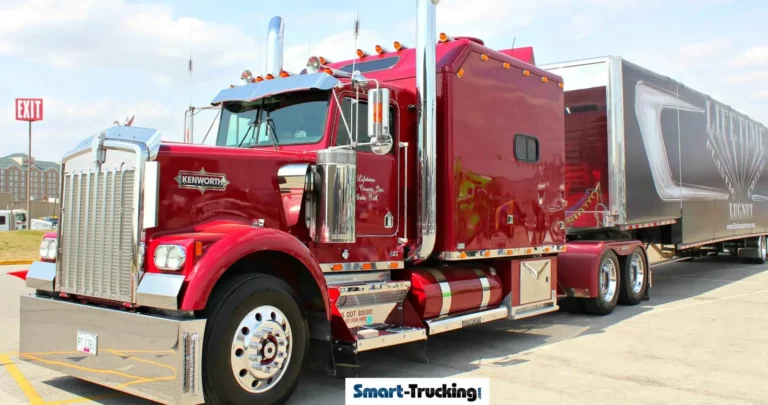
Just like passenger vehicles, commercial trucks come from various manufacturers, each with its own reputation for quality, innovation, and durability. Premium brands like Peterbilt, Kenworth, and Volvo often command higher prices due to their advanced engineering, driver comfort features, and robust resale value. These brands are known for their sophisticated technology and often cater to long-haul operations where driver satisfaction and uptime are paramount.
Conversely, manufacturers like Freightliner and International offer a wider range of models, including more budget-friendly options that still provide excellent performance and reliability. These trucks are popular choices for fleets and owner-operators looking for a balance between cost-effectiveness and operational efficiency. The choice of brand significantly impacts the initial cost, reflecting the manufacturer’s commitment to innovation and aftermarket support.
2. Engine Specifications: Power, Efficiency, and Compliance
The engine is the lifeblood of your tractor, dictating its power, fuel efficiency, and ability to handle various loads and terrains. Engine size, horsepower (HP), and torque ratings are critical factors. A more powerful engine, typically ranging from 450 HP to 600+ HP, will naturally increase the price. These high-horsepower engines are essential for hauling heavy loads or navigating challenging routes.
Furthermore, modern engines must comply with stringent emissions standards, such as EPA 2010 and subsequent Greenhouse Gas (GHG) regulations. This compliance often involves sophisticated exhaust aftertreatment systems like Diesel Particulate Filters (DPF) and Selective Catalytic Reduction (SCR) with Diesel Exhaust Fluid (DEF). While these technologies add to the manufacturing cost, they are non-negotiable for new vehicles and contribute to environmental responsibility.
3. Transmission Type: Manual vs. Automated Manual Transmission (AMT)
For decades, manual transmissions were the standard in commercial trucking, offering drivers complete control over gear changes. While still available, they are becoming less common in new truck purchases. Manual transmissions typically represent a slightly lower upfront cost but require more skill and experience from the driver.
Automated Manual Transmissions (AMTs) have revolutionized the industry, offering the convenience of an automatic with the fuel efficiency of a manual. They are increasingly popular due to their ease of use, reduced driver fatigue, and potential for better fuel economy by optimizing shift points. Based on my experience, the premium for an AMT is usually justified by the operational benefits and broader appeal to a wider pool of drivers, especially new entrants to the industry. This technological upgrade adds a notable amount to the initial purchase price.
4. Cab Configuration: Day Cab vs. Sleeper Cab
The cab configuration is a major determinant of the tractor unit’s cost, directly impacting driver comfort and operational flexibility. A "day cab" is designed for local or regional routes where drivers return home daily. It offers minimal interior space beyond the driver and passenger seats, making it lighter and more agile. Day cabs are the most affordable option among tractor configurations.
"Sleeper cabs," on the other hand, are built for long-haul operations, providing a living space for drivers to rest and sleep during multi-day trips. These range from basic 36-inch sleepers to spacious 80-inch or larger "condo" sleepers, complete with amenities like refrigerators, microwaves, and even showers. The larger and more equipped the sleeper, the higher the cost. This premium reflects the added manufacturing complexity, materials, and features designed to enhance driver retention and comfort on the road.
5. Axle Configuration and Suspension: Handling and Load Capacity
The axle configuration determines the truck’s load-bearing capacity and maneuverability. The most common configuration is a 6×4 (three axles, with four driving wheels), ideal for heavy-duty hauling. Other options like 4×2 (two axles, with two driving wheels) are suitable for lighter loads or specific regional applications. Specialized configurations, such as those with liftable axles or unique spacing, will incur additional costs.
Suspension systems also play a crucial role. Air ride suspensions, which use airbags instead of traditional leaf springs, offer a smoother ride, better cargo protection, and improved driver comfort. While more expensive upfront than spring suspensions, their benefits in terms of reduced wear and tear on both the truck and its cargo often justify the investment.
6. Technology & Safety Features: The Modern Edge
Modern tractor units are equipped with an array of advanced technologies and safety features designed to enhance efficiency, reduce accidents, and improve driver well-being. These include:
- Advanced Driver-Assistance Systems (ADAS): Features like adaptive cruise control, lane departure warning, collision mitigation systems, and blind-spot monitoring are becoming increasingly standard, but often come as optional packages that add to the price.
- Telematics and ELD Systems: While Electronic Logging Devices (ELDs) are federally mandated, integrated telematics systems offer much more, providing real-time data on vehicle performance, driver behavior, and GPS tracking. These systems often come with subscription fees but can be pre-installed, adding to the initial setup cost.
- Infotainment and Connectivity: Modern cabs often feature advanced touchscreen infotainment systems, Bluetooth connectivity, and multiple charging ports, enhancing driver convenience during long hours on the road.
- Aerodynamic Packages: Fairings, side skirts, and roof deflectors are designed to reduce drag and improve fuel efficiency. While an investment, they can lead to significant savings over the truck’s lifespan.
7. Customization and Upgrades: Personal Touches
Many owner-operators and fleets choose to customize their new tractor units beyond the standard factory options. This can include specialized paint jobs, chrome accents, custom lighting, upgraded interior finishes, or even integrated power inverters for home appliances. While these customizations personalize the truck, they invariably add to the final price. These individual touches can range from a few hundred dollars to tens of thousands, depending on the extent of the modifications.
Unpacking the Trailer Unit: Matching Capacity to Need
The trailer unit is just as crucial as the tractor, chosen specifically for the type of freight you intend to haul. The diversity of trailer types means their prices vary dramatically, often ranging from tens of thousands to well over a hundred thousand dollars.
1. Type of Trailer: Purpose-Built Solutions
The most significant factor in trailer cost is its type, which is dictated by the cargo it’s designed to carry.
- Dry Van: The most common type, used for general freight that doesn’t require temperature control. These are the most affordable trailers, ideal for a wide range of goods.
- Reefer (Refrigerated Trailer): Essential for perishable goods, reefers come equipped with a refrigeration unit. The complex insulation and cooling system make them significantly more expensive than dry vans.
- Flatbed: Used for oversized or unusually shaped cargo that can be loaded from the top or sides. Their open design means they are less expensive than enclosed trailers but often require specialized securement equipment.
- Tanker: Designed to transport liquids, gases, or dry bulk materials. Tankers are highly specialized, built to specific safety and material handling standards, making them among the most expensive.
- Specialized Trailers: This category includes a vast array of trailers like lowboys (for heavy equipment), car haulers, dump trailers, curtainside trailers, and live bottom trailers. Each is engineered for a unique purpose, often with custom features that drive up their cost considerably.
2. Length and Capacity: Size Matters
Trailer lengths typically range from 28 feet (pup trailers) to 53 feet (the most common length for over-the-road freight). Longer trailers and those designed for higher weight capacities (e.g., heavy-duty flatbeds or specialized chassis) will cost more due to increased material use and structural reinforcement. The overall volume and weight capacity directly influence the manufacturing complexity and material requirements.
3. Materials and Construction: Durability and Weight
The materials used in a trailer’s construction impact both its cost and its durability. Aluminum trailers are lighter, which can lead to better fuel efficiency and higher payload capacity, but they are generally more expensive than steel trailers. Composites and specialized alloys are also used in certain applications, further affecting the price. The quality of welds, rivets, and overall build directly correlates with the trailer’s longevity and resistance to wear and tear.
4. Refrigeration Unit (for Reefers): The Core of Cold Chain Logistics
For refrigerated trailers, the refrigeration unit itself is a substantial cost. Brands like Thermo King and Carrier dominate this market, offering various models with different cooling capacities, fuel types, and features (e.g., multi-temperature zones, remote monitoring). The more advanced and powerful the refrigeration unit, the higher the overall reefer trailer cost.
5. Special Features and Upgrades: Enhancing Functionality
Trailers can be outfitted with numerous optional features that enhance their functionality and safety, albeit at an added cost:
- Liftgates: Essential for deliveries to locations without loading docks.
- Side Skirts and Aerodynamic Tails: Like those on tractors, these improve fuel efficiency by reducing drag.
- Insulation Levels: For reefers, higher R-value insulation means better temperature control and energy efficiency.
- Cargo Securement Systems: Specialized tie-downs, E-track systems, and load bars add versatility and safety.
- Interior Lighting and Flooring: Upgraded options for durability and ease of cleaning.
- Tire Inflation Systems: Automatically maintain optimal tire pressure, extending tire life and improving fuel economy.
Beyond the Purchase Price: Understanding Additional Costs
The sticker price of the tractor and trailer is just the beginning. Several other significant expenses contribute to the overall investment in a new tractor-trailer. Ignoring these can lead to unexpected financial strain.
1. Dealer Markup and Negotiations: The Art of the Deal
The price listed by a dealer is rarely the final price. There’s almost always room for negotiation. Dealers have varying markups, influenced by their overhead, sales volume, and the urgency of the sale. Pro tips from us: Always get multiple quotes from different dealerships and compare not just prices, but also included services, warranty terms, and financing options. Don’t be afraid to walk away if you feel the deal isn’t right.
2. Financing Costs: The True Cost of Borrowed Money
Unless you’re paying cash, financing will be a major component of your total cost. Interest rates, loan terms (typically 3-7 years for commercial vehicles), and down payment requirements vary widely based on your creditworthiness, the lender, and prevailing market conditions. A seemingly small difference in interest rate can translate into thousands of dollars over the life of the loan. It’s crucial to understand the total cost of borrowing, not just the monthly payment.
For more insights into managing your financing options, you might find our article "Understanding Truck Financing Options: A Guide for Owner-Operators" helpful.
3. Taxes and Fees: The Government’s Share
Several taxes and fees are unavoidable when purchasing a new commercial vehicle:
- Sales Tax: Varies by state and can be a significant percentage of the total purchase price.
- Federal Excise Tax (FET): This 12% tax applies to the retail sale of new heavy trucks and trailers over a certain weight. Often, this is already factored into the dealer’s price, but it’s essential to confirm.
- Registration and Title Fees: Required to legally operate your vehicle, these are typically annual or biennial costs.
- License Plates: Specific commercial plates are required.
4. Commercial Insurance: Protecting Your Investment
Commercial trucking insurance is not optional; it’s a legal requirement and a critical safeguard for your business. Policies typically include:
- Primary Liability: Covers damages and injuries to other parties in an accident where you are at fault.
- Physical Damage: Covers damage to your own truck and trailer.
- Cargo Insurance: Protects the freight you are hauling against damage or loss.
- Bobtail/Non-Trucking Liability: Covers you when driving the tractor without a loaded trailer for personal use.
The cost of insurance can range from $8,000 to $20,000+ per year for a new owner-operator, varying based on driving history, cargo type, coverage limits, and location.
5. Maintenance Contracts and Extended Warranties: Peace of Mind
While new trucks come with factory warranties, many buyers opt for extended warranties or comprehensive maintenance contracts. These upfront costs can provide significant peace of mind, covering major component failures or scheduled maintenance for a fixed period. Based on my experience, investing in these can prevent costly unexpected breakdowns down the line, especially for critical components like engines and transmissions.
6. ELD and Telematics Subscriptions: Staying Connected and Compliant
Beyond the initial hardware cost, Electronic Logging Devices (ELDs) and advanced telematics systems often come with monthly or annual subscription fees. These services provide essential data for compliance, fleet management, and operational efficiency.
7. Initial Consumables: Fuel and DEF
Don’t forget the immediate operational costs: a full tank of diesel and Diesel Exhaust Fluid (DEF) can easily run into hundreds of dollars, essential before your first haul.
Putting It All Together: Estimated Price Ranges
Given the vast array of options and variables, providing an exact cost for a new tractor trailer is impossible. However, we can offer estimated ranges for different configurations to give you a clearer picture of the investment required.
Estimated Cost of a New Tractor Unit (Power Unit):
- Day Cab (Basic Specs): $120,000 – $160,000
- Mid-Range Sleeper Cab (Standard Specs): $160,000 – $200,000
- Premium Sleeper Cab (High-End Specs, Luxury Amenities): $200,000 – $250,000+
These figures can increase significantly with specialized engines, advanced safety packages, and extensive custom features.
Estimated Cost of a New Trailer Unit (Varies Widely by Type):
- Dry Van (53-foot, basic): $40,000 – $70,000
- Reefer (53-foot, with refrigeration unit): $80,000 – $120,000+
- Flatbed (48-53 foot): $40,000 – $75,000
- Tanker (Fuel, Chemical): $100,000 – $200,000+ (highly specialized)
- Dump Trailer: $60,000 – $120,000+
- Specialized Trailers (Lowboy, Car Hauler, etc.): $100,000 – $300,000+
Total Estimated Cost for a Complete New Tractor-Trailer Rig:
Combining these figures, a new tractor-trailer setup can range from:
- Basic Day Cab with Dry Van: $160,000 – $230,000
- Mid-Range Sleeper with Dry Van: $200,000 – $270,000
- Mid-Range Sleeper with Reefer: $240,000 – $320,000
- Premium Sleeper with Specialized Trailer: $300,000 – $500,000+
These figures are for the initial purchase price of the equipment only and do not include financing costs, taxes, insurance, or other operational start-up expenses. Common mistakes to avoid are underestimating the full scope of these additional costs, which can significantly impact your cash flow.
Making an Informed Decision: Pro Tips for Your Purchase
Purchasing a new tractor trailer is a monumental decision requiring careful planning and thorough research. Here are some pro tips from us to help you navigate the process effectively:
- Define Your Needs Clearly: Before you even look at trucks, understand what type of freight you’ll haul, your typical routes, and your operational requirements. This will dictate the optimal tractor and trailer specifications.
- Budget Beyond the Sticker Price: Create a comprehensive budget that includes not just the purchase price, but also financing costs, taxes, insurance, initial maintenance, and operational supplies.
- Research Thoroughly: Compare different makes, models, and features. Read reviews, talk to other owner-operators, and visit multiple dealerships.
- Negotiate Aggressively: Don’t settle for the first offer. Be prepared to negotiate on price, warranty terms, and any included extras.
- Secure Your Financing First: Get pre-approved for financing so you know your budget before you start shopping. Compare offers from various lenders, including traditional banks, credit unions, and specialized commercial vehicle financiers.
- Consider Total Cost of Ownership (TCO): Look beyond the initial purchase price. Factor in expected fuel efficiency, maintenance costs, depreciation, and resale value when comparing different models. A slightly more expensive truck upfront might be cheaper to operate over its lifespan. For more on this, you can check out resources like the American Transportation Research Institute (ATRI) for industry benchmarks on operating costs.
- Don’t Skimp on Safety and Technology: While these features add to the cost, they can significantly reduce the risk of accidents, improve driver comfort, and enhance operational efficiency, often paying for themselves over time.
Conclusion: A Strategic Investment for the Long Haul
The question of "How much does a new tractor trailer cost?" is multifaceted, reflecting the incredible complexity and specialization of the commercial trucking industry. From the powerful engine of the tractor to the meticulously designed interior of the sleeper cab, and from the robust construction of a dry van to the intricate cooling system of a reefer, every component contributes to the final investment.
Understanding the myriad factors that influence pricing, coupled with a keen awareness of additional expenses like financing, taxes, and insurance, is paramount for any successful purchase. By approaching this investment strategically, conducting diligent research, and focusing on the total cost of ownership, you can acquire a new tractor-trailer that not only meets your operational needs but also positions your business for sustained success on the open road. The upfront cost is significant, but with careful planning, it becomes a powerful asset in your journey to logistical excellence.