From the Brink to a Global Powerhouse: The Definitive Story of Fiat’s Chrysler Takeover
From the Brink to a Global Powerhouse: The Definitive Story of Fiat’s Chrysler Takeover Lmctruck.Guidemechanic.com
The automotive industry is a perpetual motion machine, not just in terms of the vehicles it produces, but in its constant evolution, mergers, and strategic realignments. Few stories encapsulate this dynamic spirit, and the sheer audacity of survival, quite like the dramatic acquisition of an iconic American car brand by an Italian giant. If you’ve ever wondered what American brand of car was taken over by Fiat, you’re about to embark on a journey through crisis, visionary leadership, and the forging of a new transatlantic automotive empire.
This isn’t just a tale of corporate maneuvers; it’s a testament to resilience, innovation, and the power of strategic alliances in the face of unprecedented economic turmoil. We’ll delve deep into how Fiat, an Italian automaker with its own storied past, stepped in to rescue Chrysler, a cornerstone of American manufacturing, ultimately leading to the formation of Fiat Chrysler Automobiles (FCA) and its eventual evolution into Stellantis. Get ready to explore one of the most pivotal chapters in modern automotive history.
From the Brink to a Global Powerhouse: The Definitive Story of Fiat’s Chrysler Takeover
The Crucible of Crisis: Chrysler’s Desperate Hour
Before we unpack the Fiat Chrysler alliance, it’s crucial to understand the precipice from which Chrysler was pulled. The late 2000s ushered in a financial maelstrom unlike any seen in generations. The global economic recession, triggered by the subprime mortgage crisis, sent shockwaves across industries worldwide, and the automotive sector was hit particularly hard.
American automakers, already grappling with legacy costs, intense foreign competition, and shifting consumer preferences, found themselves in an existential struggle. The "Detroit Three" – General Motors, Ford, and Chrysler – faced rapidly dwindling sales, frozen credit markets, and an inability to finance their operations. The very foundations of American manufacturing seemed to tremble.
Chrysler, having navigated a tumultuous history that included previous near-bankruptcies and a failed merger with Daimler-Benz, was arguably in the most precarious position. Its product lineup was aging, its market share was shrinking, and its financial reserves were critically low. By late 2008 and early 2009, the company was teetering on the brink of collapse, facing insolvency and the real threat of liquidation.
Government Intervention: A Lifeline and a Mandate
The potential collapse of any of the Detroit automakers was deemed catastrophic for the American economy, threatening millions of jobs and vital supply chains. This led to unprecedented government intervention. The U.S. government, under both the Bush and Obama administrations, stepped in with emergency loans and a comprehensive bailout plan.
However, this financial lifeline came with stringent conditions. To secure federal aid, Chrysler was mandated to undergo a radical restructuring, including significant concessions from unions, creditors, and suppliers. Most critically, it was required to form a strategic alliance with another automaker to share technology, reduce costs, and develop new, fuel-efficient vehicles. This was a non-negotiable term for survival.
On April 30, 2009, unable to reach an agreement with all its creditors, Chrysler Group LLC filed for Chapter 11 bankruptcy protection. This was a necessary, albeit painful, step to shed debt and legacy obligations, paving the way for a leaner, more viable company. It was within this tumultuous environment that an unlikely suitor emerged: Fiat S.p.A.
Fiat’s Resurgence and Sergio Marchionne’s Vision
To truly appreciate Fiat’s role, we need a brief look at their own journey. Fiat, a venerable Italian industrial giant founded in 1899, had its own share of ups and downs. By the early 2000s, it too was struggling, burdened by debt and an aging product portfolio. However, its fortunes began to dramatically shift with the arrival of Sergio Marchionne as CEO in 2004.
Marchionne, an astute and relentless leader, engineered a remarkable turnaround at Fiat. He streamlined operations, fostered a culture of accountability, and aggressively pursued new product development. By 2009, Fiat was on a much stronger footing, particularly in the realm of small, fuel-efficient cars – precisely what the American market, spurred by rising gas prices and environmental concerns, was increasingly demanding.
Marchionne saw an unparalleled opportunity in Chrysler’s crisis. He recognized that while Chrysler was financially distressed, it possessed invaluable assets: a vast dealer network, strong brands like Jeep and Ram, and manufacturing capabilities in North America. Fiat, on the other hand, had the technology for small cars and powertrain components that Chrysler desperately needed. It was a perfect, albeit unconventional, synergy.
The Unlikely Alliance: A Shotgun Marriage
The initial agreement in 2009 saw Fiat taking a 20% equity stake in the "new" Chrysler Group LLC, without any cash investment upfront. Instead, Fiat’s contribution was its technology, platforms, and management expertise. This was a groundbreaking deal, effectively a government-brokered marriage between two companies that, on the surface, seemed worlds apart.
Based on my experience observing complex corporate rescues, these situations often involve immense skepticism. Many industry analysts questioned the viability of this "shotgun marriage." Could an Italian company, known for its small cars, truly revive an American brand synonymous with large SUVs and pickup trucks? Could two distinct corporate cultures, with different approaches to design, manufacturing, and marketing, truly integrate?
Pro tips from us: In any major merger or acquisition, cultural integration is often the biggest hurdle. Without a clear vision and strong leadership to bridge cultural gaps, even the most strategically sound deals can falter. Marchionne understood this implicitly, embarking on a mission to blend the best of both worlds.
The Phased Takeover: Building a New Foundation
The initial 20% stake was just the beginning. The agreement outlined a series of conditions under which Fiat could progressively increase its ownership in Chrysler, eventually leading to majority control. These conditions included:
- Production of a new, fuel-efficient vehicle based on a Fiat platform: This would help Chrysler meet stricter fuel economy standards and expand its product offerings.
- Manufacturing of a new Fiat engine in the U.S.: This brought advanced powertrain technology and jobs to American factories.
- Introduction of a Fiat small car to the U.S. market: This marked the return of the Fiat brand to North America after decades.
As Chrysler met these milestones and repaid its government loans, Fiat steadily increased its ownership. By January 2012, Fiat held 58.5% of Chrysler. The final hurdle was acquiring the remaining shares held by the UAW’s retiree health care trust (VEBA). After complex negotiations, Fiat completed the full acquisition of Chrysler Group LLC on January 21, 2014, becoming its sole owner.
This phased approach allowed for a gradual integration, enabling both companies to learn from each other and build trust. Sergio Marchionne famously took on the CEO role of both Fiat and Chrysler, personally overseeing the intricate process of synergy and transformation.
The Birth of Fiat Chrysler Automobiles (FCA): A Transatlantic Powerhouse
With Fiat’s full ownership, the stage was set for the next logical step: a complete corporate merger. On October 13, 2014, Fiat Chrysler Automobiles (FCA) was officially formed. This new entity was domiciled in the Netherlands for legal and tax purposes, with its shares listed on the New York Stock Exchange and the Milan Stock Exchange. This move underscored its identity as a truly global automotive player.
The formation of FCA represented a massive shift in the automotive landscape. It combined the strengths of both companies:
- Chrysler’s North American footprint: Including its highly profitable Jeep SUVs and Ram pickup trucks, which became financial anchors for the new group.
- Fiat’s European expertise: Its small car technology, efficient engines, and access to European markets.
- Luxury and performance brands: The combined portfolio now included iconic names like Alfa Romeo, Maserati, and Lancia, alongside Dodge and Chrysler.
Common mistakes to avoid in such large-scale mergers include underestimating the complexity of integrating IT systems, supply chains, and distinct corporate cultures. FCA faced these challenges head-on, working to harmonize processes and leverage global scale while maintaining individual brand identities.
Revitalization and Strategic Growth Under FCA
Under the FCA umbrella, the American brands, particularly Jeep and Ram, experienced a significant resurgence. Marchionne’s strategy was clear: invest heavily in the most profitable segments and leverage global platforms.
- Jeep’s Global Expansion: The iconic American SUV brand was positioned as a global lifestyle brand, expanding its production and sales worldwide. New models like the Renegade and Compass were developed on Fiat platforms, blending American ruggedness with European efficiency.
- Ram’s Dominance: The Ram pickup truck continued to be a formidable competitor in the lucrative North American truck market, receiving significant investment in new designs and technology.
- Dodge’s Performance Niche: Dodge was refocused on its muscle car heritage, catering to performance enthusiasts with models like the Challenger and Charger.
- Chrysler’s Reimagination: While the Chrysler brand saw a narrower focus, primarily with the Pacifica minivan, efforts were made to position it as a more premium, accessible brand.
This period also saw significant cross-pollination of technology. Fiat engines found their way into various Chrysler products, and Chrysler’s manufacturing expertise was utilized for some European models. The combined entity benefited from increased purchasing power, shared R&D costs, and a broader geographical reach. For more insights into the resilience of American automotive giants, explore our article on .
The Legacy of Sergio Marchionne
The story of Fiat’s takeover of Chrysler cannot be told without highlighting the monumental role of Sergio Marchionne. His relentless drive, unconventional approach, and unwavering vision were the driving forces behind the merger’s success. He was a master negotiator, a sharp financial mind, and a hands-on leader who often visited plants and directly engaged with employees.
Marchionne was known for his blunt honesty and his ability to push both organizations beyond their comfort zones. He saw the need for consolidation in the automotive industry long before many others, advocating for further mergers to share the enormous costs of developing new technologies like electric vehicles and autonomous driving. His untimely passing in 2018 was a significant loss for the entire automotive world, leaving behind a legacy of transformative leadership.
The Road to Stellantis: A New Global Chapter
Marchionne’s vision of consolidation continued even after his death. The sheer scale of investment required for future automotive technologies – electrification, autonomous driving, connectivity – made it increasingly difficult for even large companies like FCA to go it alone. This led to another historic merger.
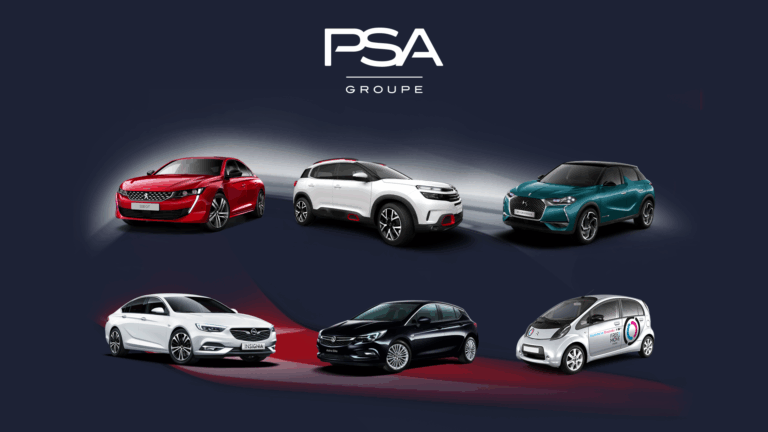
In 2019, FCA announced its intention to merge with the French PSA Group (Peugeot S.A.), parent company of brands like Peugeot, Citroën, DS, and Opel/Vauxhall. This mega-merger was finalized in January 2021, creating Stellantis N.V., one of the world’s largest automotive groups by volume.
Stellantis now encompasses 14 iconic automotive brands, including all the former Fiat and Chrysler marques. This latest evolution signifies the ongoing trend of consolidation in the automotive industry, creating global giants capable of competing on an unprecedented scale. The journey that began with Fiat rescuing Chrysler has culminated in the formation of a truly global automotive powerhouse, ready to tackle the challenges of the 21st century.
What Does This Mean for the Future?
The story of the American car brand Fiat acquired – Chrysler – is a powerful reminder of several key trends shaping the modern business world:
- The Power of Strategic Alliances: In times of crisis, unconventional partnerships can lead to extraordinary outcomes.
- Global Integration: National borders are becoming increasingly irrelevant in the automotive industry, with companies leveraging strengths from across continents.
- Resilience and Adaptation: Companies that can adapt quickly to changing economic conditions and technological demands are the ones that survive and thrive.
- Visionary Leadership: The impact of a single, determined leader like Sergio Marchionne can fundamentally alter the trajectory of multiple companies.
As Stellantis continues its journey, the legacy of the Fiat-Chrysler alliance remains evident. The integration of platforms, shared technologies, and a unified global strategy are all hallmarks of the foundation laid during those critical years. If you’re fascinated by the evolution of vehicle platforms, check out our guide to . For a deeper dive into the formation of Stellantis and its impact on the global auto industry, you can read more on trusted financial news sites like .
Conclusion: A Phoenix Rises
The question of what American brand of car was taken over by Fiat leads us down a fascinating path through the heart of the modern automotive industry. Chrysler, once on the brink of extinction, was not merely saved but fundamentally transformed and integrated into a dynamic, global entity. Fiat, through its visionary leadership, leveraged this crisis into an opportunity to expand its global footprint and elevate its status.
This story is more than just a corporate transaction; it’s a saga of survival, strategic genius, and the relentless pursuit of progress in an ever-changing world. The journey from the desperate days of 2009 to the global dominance of Stellantis stands as a powerful testament to the fact that even in the darkest hours, innovation and strategic partnerships can pave the way for a brighter future.
What are your thoughts on this incredible automotive rescue story? Share your perspectives in the comments below!