Driving Success: Your Ultimate Guide to Finding Box Trucks For Sale Penske
Driving Success: Your Ultimate Guide to Finding Box Trucks For Sale Penske Lmctruck.Guidemechanic.com
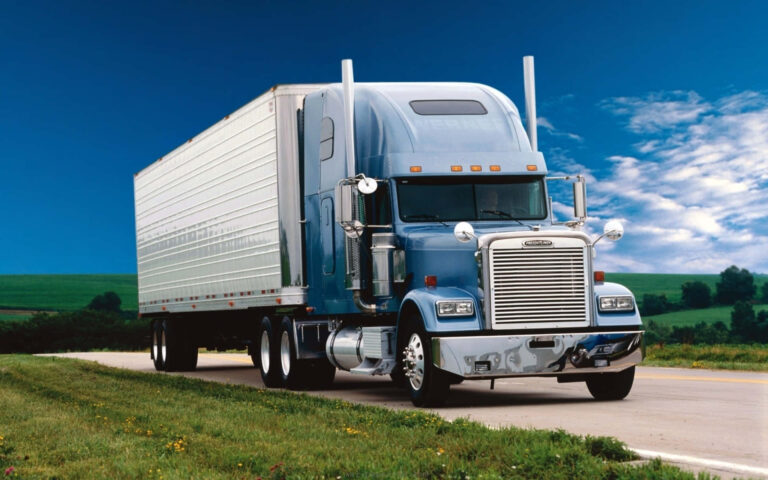
Are you in the market for a reliable, hardworking vehicle that can power your business or streamline your moving needs? Look no further than Box Trucks For Sale Penske. For countless businesses and individuals, a box truck represents more than just a mode of transport; it’s a mobile command center, a delivery workhorse, or the key to a successful relocation. When you consider the rigorous demands placed on these vehicles, the brand behind them becomes paramount.
Penske has long been a titan in the commercial truck rental and leasing industry, known for its meticulously maintained fleet. This reputation makes their retired vehicles an incredibly attractive option for anyone seeking quality and value. In this comprehensive guide, we’ll dive deep into everything you need to know about acquiring a used Penske box truck, ensuring you make an informed decision that drives your success for years to come.
Driving Success: Your Ultimate Guide to Finding Box Trucks For Sale Penske
Why Consider a Used Penske Box Truck? The Smart Choice for Savvy Buyers
The decision to purchase a used commercial vehicle, especially a box truck, often comes down to a balance of cost, reliability, and long-term value. When you narrow your focus to Box Trucks For Sale Penske, you’re tapping into a market segment renowned for offering exceptional advantages that are hard to beat. It’s not just about saving money; it’s about investing wisely in a proven asset.
Unmatched Reliability & Maintenance: A Foundation You Can Trust
One of the most compelling reasons to choose a used Penske box truck is the peace of mind that comes with its history. Penske operates one of the largest and most sophisticated truck fleets in North America. This isn’t just a boast; it translates directly into a superior product when those trucks are retired from service.
Based on my experience in the commercial vehicle industry, few companies match Penske’s commitment to preventive maintenance. Their trucks are subjected to strict, regularly scheduled service intervals, performed by certified technicians using genuine parts. This means that a Penske truck, even with significant mileage, often has a more comprehensive and documented maintenance history than many privately owned vehicles. This meticulous care significantly reduces the risk of unexpected breakdowns and costly repairs down the line.
Exceptional Value Proposition: More Truck for Your Money
The depreciation curve for new commercial vehicles is steep. By opting for a used Penske box truck, you allow the previous owner (Penske) to absorb the brunt of that initial depreciation. This means you can acquire a high-quality, well-maintained vehicle for a fraction of the cost of a comparable new model.
This cost saving isn’t just about the sticker price. It frees up capital that can be reinvested into your business, used for insurance, or allocated for future maintenance. You gain access to a commercial-grade vehicle built for durability and performance, without the premium price tag. It’s a strategic move for budget-conscious entrepreneurs and individuals alike.
Diverse Fleet Options: Finding Your Perfect Fit
Penske operates a vast and varied fleet, meaning there’s a wide array of Box Trucks For Sale Penske available to suit almost any need. Whether you require a compact 12-foot truck for urban deliveries or a spacious 26-footer for large-scale moving operations, Penske’s inventory likely has a model that fits your specific requirements. This diversity extends to engine types, transmission options, and various features designed to enhance functionality and driver comfort.
Understanding Penske’s Fleet: What Types of Box Trucks Are Available?
When you begin your search for Box Trucks For Sale Penske, you’ll quickly realize the breadth of options available. Penske’s fleet is designed to meet a wide range of commercial and personal transportation needs, offering different sizes, features, and power trains. Understanding these variations is crucial for selecting the truck that best aligns with your operational demands.
Size Matters: From 12-Foot to 26-Foot Giants
The size of a box truck is typically measured by the length of its cargo box. Penske offers a spectrum of sizes, each suited for different applications:
- 12-Foot Box Trucks: These are the smallest and most maneuverable, ideal for light hauling, small deliveries, or navigating tight urban streets. They often have gasoline engines and are easier to drive for those unfamiliar with larger commercial vehicles.
- 16-Foot Box Trucks: A popular choice for local moving companies or businesses needing more cargo space than a van, but not the full capacity of a larger truck. They offer a good balance of capacity and agility.
- 22-Foot Box Trucks: These mid-sized options are perfect for medium-to-large residential moves, general freight, or delivery routes requiring substantial cargo volume. They often feature robust diesel engines.
- 26-Foot Box Trucks: The largest commonly available box trucks in Penske’s fleet, these are designed for maximum cargo capacity. They are the go-to choice for large household moves, heavy equipment transport, or commercial operations requiring significant volume. These almost always come with powerful diesel engines.
Choosing the right size is critical to avoid making multiple trips or, conversely, operating a vehicle that’s larger and less fuel-efficient than necessary. Consider your typical load volume and the environments you’ll be operating in.
Features to Look For: Enhancing Functionality and Efficiency
Beyond size, box trucks come with various features that can significantly impact their utility and your operational efficiency. When evaluating Box Trucks For Sale Penske, pay close attention to these details:
- Lift Gates: A game-changer for loading and unloading heavy or bulky items. Most larger Penske box trucks come equipped with hydraulic lift gates, which can save time, reduce labor, and prevent injuries. Ensure it operates smoothly and safely during your inspection.
- Roll-Up vs. Swing Doors: Roll-up doors are convenient in tight spaces as they don’t require external clearance, but they can slightly reduce internal cargo height. Swing doors offer full access to the cargo area but require space behind the truck to open.
- Cargo Tie-Down Rails and Slats: Essential for securing your cargo and preventing shifting during transit. Look for sturdy rails and sufficient anchor points throughout the cargo area.
- Ramps: Some smaller box trucks might come with pull-out ramps instead of lift gates, offering a simpler loading solution for lighter items.
- Air Conditioning/Heating: While standard in the cab, ensuring these systems work effectively is crucial for driver comfort, especially on long hauls.
- Cruise Control: A valuable feature for reducing driver fatigue on extended trips.
Diesel vs. Gasoline: Powering Your Operations
The engine type is another significant consideration. Most smaller box trucks (e.g., 12-16 footers) typically run on gasoline, while larger models (22-26 footers) are almost exclusively diesel-powered.
- Gasoline Engines: Generally have lower upfront costs and are easier to maintain for independent mechanics. They are also quieter and often preferred for lighter, intermittent use. Fuel economy can be lower than diesel for heavy loads.
- Diesel Engines: Offer superior torque, fuel efficiency (especially under heavy loads), and a longer lifespan. They are built for continuous, heavy-duty operation. However, diesel trucks usually have higher initial costs, and maintenance can be more specialized and expensive. For businesses relying on daily heavy hauling, diesel is often the more economical choice in the long run.
Where to Find Your Next Penske Box Truck: Navigating the Market
Once you’ve identified your ideal Penske box truck specifications, the next step is knowing where to look. The market for used commercial vehicles can be fragmented, but for Box Trucks For Sale Penske, there are clear primary channels that offer the best opportunities and transparency.
Direct from Penske Truck Sales: The Most Reliable Source
The most straightforward and often most reliable place to find a used Penske box truck is directly through Penske Truck Sales. Penske operates dedicated used truck sales centers and a robust online portal.
Pro tips from us: Buying directly from Penske offers several key advantages. You gain access to their extensive inventory, often with detailed vehicle histories and maintenance records readily available. Penske often provides financing options and sometimes even extended warranty programs on their retired vehicles. Their sales staff are experts on their own trucks and can provide valuable insights into specific models and their service life. This direct channel typically offers the highest level of transparency and trust.
Authorized Dealers & Auctions: Alternative Avenues
While Penske Truck Sales is a prime source, you might also find Penske box trucks at authorized used commercial truck dealerships or public auctions.
- Authorized Dealers: Many independent commercial truck dealerships specialize in used vehicles and may acquire Penske trucks through various channels. These dealers can offer a wider selection of brands and might be more flexible on pricing. However, always verify the maintenance history independently and consider a pre-purchase inspection from a neutral third party.
- Auctions: Commercial vehicle auctions can sometimes offer significant savings, but they come with higher risks. Vehicles are often sold "as-is, where-is," with limited opportunities for thorough inspection or test drives. This route is generally recommended for experienced buyers or those with access to skilled mechanics who can assess a truck on-site quickly.
Online Marketplaces: Expanding Your Search Horizon
The digital age has made finding specific vehicles easier than ever. Websites like CommercialTruckTrader.com, TruckPaper.com, and even general marketplaces like Craigslist or Facebook Marketplace can list Box Trucks For Sale Penske from private sellers or smaller dealers.
When using online marketplaces, exercise caution. Always insist on seeing the vehicle in person, verifying the seller’s identity, and obtaining all available documentation. Beware of deals that seem too good to be true, as they often are. These platforms are excellent for broadening your search, but due diligence is paramount.
The Ultimate Buying Guide: What to Scrutinize Before You Buy
Buying a used commercial vehicle is a significant investment, and rushing the process can lead to costly regrets. When evaluating Box Trucks For Sale Penske, a meticulous approach is essential. This section outlines the critical steps to ensure you’re making a sound purchase.
Thorough Vehicle Inspection (The Walk-Around): No Detail Too Small
A comprehensive visual inspection is your first line of defense against potential problems. Don’t just kick the tires; get underneath and look everywhere.
- Engine & Transmission: Check for leaks, unusual stains, or evidence of significant repairs. Listen for strange noises during startup and operation. Look at fluid levels and clarity. The transmission should shift smoothly without hesitation or grinding.
- Brakes: Inspect brake lines for rust or damage. Check the brake pads and rotors (or drums) for wear. Test the parking brake.
- Tires: Examine tread depth, looking for even wear across all tires. Uneven wear can indicate alignment issues or suspension problems. Check for cracks in the sidewalls and ensure proper inflation. Don’t forget the spare!
- Body & Frame: Look for signs of rust, especially on the frame, crossmembers, and suspension components. Inspect for accident damage, dents, or poor repairs. The cargo box walls and roof should be intact, without leaks or significant damage.
- Interior & Cab: Ensure all gauges, lights, wipers, and HVAC systems are functioning. Check for excessive wear on seats, pedals, and steering wheel, which might indicate higher usage than the odometer suggests.
- Lift Gate/Ramp: If equipped, operate the lift gate multiple times to ensure it moves smoothly, quietly, and holds weight effectively. Check for leaks in hydraulic lines. For ramps, ensure they extend and retract easily and are free from structural damage.
Pro tips from us: Bring a flashlight, even in daylight, to inspect hard-to-reach areas. Get down on your knees and look underneath the truck. Don’t be afraid to ask the seller to demonstrate specific features.
Reviewing Maintenance Records: The Gold Standard for Used Trucks
This is where buying a Penske truck truly shines. Penske is known for its rigorous maintenance schedules and detailed record-keeping. Request the full maintenance history for any truck you’re considering.
These records will show when and what services were performed, parts replaced, and any major repairs. A comprehensive history indicates a well-cared-for vehicle and helps you anticipate future maintenance needs. Missing or incomplete records are a major red flag and should prompt extreme caution.
Test Drive Essentials: Feel the Road
A test drive is non-negotiable. It allows you to assess the truck’s performance and identify any operational issues.
- Engine Performance: Accelerate and decelerate through various speeds. Does the engine respond smoothly? Are there any warning lights?
- Transmission Shifting: Pay attention to how the transmission shifts. Is it smooth or jerky? Does it slip between gears?
- Braking: Test the brakes at different speeds. Does the truck pull to one side? Is there any grinding or pulsating?
- Steering & Suspension: How does the truck handle turns? Is the steering loose or precise? Does the suspension absorb bumps effectively, or does it feel overly stiff or bouncy?
- Cab Noise & Vibrations: Listen for unusual noises or vibrations that could indicate underlying mechanical problems.
Professional Pre-Purchase Inspection (PPI): Your Best Investment
Even if you’re an experienced mechanic, a professional pre-purchase inspection by an independent, certified heavy-duty mechanic is highly recommended. This is arguably the single best investment you can make when buying a used commercial truck.
A PPI will uncover hidden issues that might not be apparent during a casual inspection or test drive. The mechanic will check critical components, often using diagnostic tools, and provide an unbiased report on the truck’s overall condition and any potential problems. This report can serve as a powerful negotiation tool or save you from purchasing a money pit.
Financing Your Penske Box Truck: Options and Considerations
Acquiring a commercial vehicle like a Penske box truck often involves a significant financial outlay. Understanding your financing options and the associated considerations is crucial for managing your budget effectively. Whether you’re a small business or an individual, the right financing can make ownership accessible.
Cash Purchase: Simplicity vs. Capital Tie-Up
Paying cash for your box truck offers the undeniable benefit of no interest payments and immediate ownership. It simplifies the transaction and eliminates monthly debt. However, it also ties up a substantial amount of capital that might be better utilized elsewhere in your business, such as for inventory, marketing, or other operational expenses. Weigh the benefits of immediate ownership against the opportunity cost of using your liquid funds.
Loans from Banks & Credit Unions: Traditional Routes
Traditional financial institutions are a common source for commercial vehicle loans. Banks and credit unions offer various loan products with competitive interest rates, especially for buyers with strong credit histories.
- Prepare your financial documents: Lenders will typically require business plans, financial statements, tax returns, and personal credit scores.
- Shop around: Don’t just settle for the first offer. Compare rates, terms, and fees from multiple institutions to find the best deal.
- Understand collateral: The truck itself often serves as collateral for the loan, which means the lender can repossess it if you default.
Penske’s Financing Programs: Specialized Solutions
Penske Truck Sales often provides its own financing programs for used vehicles. These programs can be highly beneficial because they are tailored specifically for their trucks and customers.
- Convenience: Financing directly through the seller can streamline the purchasing process.
- Specialized knowledge: Penske’s finance team understands the value and lifespan of their trucks, which can sometimes lead to more favorable terms or approval for a wider range of credit profiles.
- Potential incentives: Look out for special promotions or rates offered by Penske that might not be available elsewhere.
Understanding Interest Rates and Terms: What to Look Out For
Regardless of where you secure financing, pay close attention to the interest rate and loan terms.
- Interest Rate (APR): This is the cost of borrowing money, expressed as an annual percentage. A lower APR means lower monthly payments and less total interest paid over the life of the loan.
- Loan Term: This is the duration over which you’ll repay the loan (e.g., 36, 48, 60 months). Longer terms mean lower monthly payments but typically result in more interest paid overall. Shorter terms mean higher monthly payments but less total interest.
- Fees: Be aware of any origination fees, application fees, or prepayment penalties that might be associated with the loan.
Always read the fine print and ensure you fully understand all aspects of your financing agreement before signing.
Beyond the Purchase Price: Total Cost of Ownership (TCO)
The sticker price of Box Trucks For Sale Penske is only one piece of the financial puzzle. To truly understand the investment, you must consider the Total Cost of Ownership (TCO). Neglecting these ongoing expenses can quickly turn a good deal into a financial burden.
Insurance: Protecting Your Investment
Commercial vehicle insurance is a non-negotiable expense and often significantly more complex and costly than personal auto insurance. The type of coverage you need will depend on how you use the truck (e.g., local delivery, long-haul, hauling your own goods, or for-hire).
- Liability Coverage: Mandatory in most places, covering damage or injuries you cause to others.
- Physical Damage Coverage: Protects your truck from collisions, theft, and other perils.
- Cargo Insurance: Essential if you’re hauling goods for others, covering damage or loss of the cargo.
- Workers’ Compensation: If you have employees operating the truck.
– This hypothetical article would cover the intricacies of commercial insurance in detail.
Fuel Costs: A Major Operational Expense
Fuel will likely be one of your largest ongoing expenses. As discussed earlier, diesel trucks typically offer better fuel economy under heavy loads, but diesel fuel itself can be more expensive per gallon.
- Calculate your expected mileage: Estimate your average daily or weekly mileage.
- Factor in fuel price fluctuations: Fuel prices can be volatile, so budget with a buffer.
- Consider fuel efficiency: The specific engine, truck weight, and driving habits all impact fuel consumption.
Ongoing Maintenance & Repairs: Budgeting for the Unexpected
Even with Penske’s excellent maintenance history, a used truck will inevitably require ongoing maintenance and occasional repairs.
- Preventive Maintenance: Oil changes, filter replacements, tire rotations, brake inspections – stick to the manufacturer’s recommended schedule. This proactive approach saves money in the long run.
- Unexpected Repairs: Components wear out. Set aside a contingency fund for unforeseen repairs to the engine, transmission, or other major systems.
- Tires: Commercial truck tires are expensive. Budget for replacements based on your mileage and driving conditions.
– This hypothetical article would offer detailed advice on preventive maintenance.
Taxes, Registration & Licensing: Don’t Forget These Essentials
These are often overlooked but can add up.
- Sales Tax: Varies by state and is usually calculated on the purchase price.
- Registration Fees: Annual fees to keep your truck legally on the road.
- Licensing: Depending on the truck’s Gross Vehicle Weight Rating (GVWR) and how it’s used, you might need a Commercial Driver’s License (CDL) or specific state permits. For example, a 26-foot box truck typically has a GVWR over 26,000 lbs, which often requires a CDL in the U.S.
Always research the specific requirements for your state and intended use before purchasing.
Common Mistakes to Avoid When Buying a Used Box Truck
The journey to finding the perfect box truck can be fraught with pitfalls if you’re not careful. Common mistakes to avoid are often rooted in impatience or a lack of due diligence. Being aware of these traps can save you significant time, money, and headaches down the road.
Skipping the Professional Pre-Purchase Inspection (PPI)
This is perhaps the biggest mistake buyers make. The desire to save a few hundred dollars on a PPI can easily lead to thousands in unexpected repairs. A professional mechanic brings an objective eye, specialized tools, and extensive experience to uncover issues that an untrained eye would miss. Never skip this crucial step, especially when investing in a commercial vehicle.
Ignoring Maintenance History
While Penske is known for its records, some third-party sellers might not have them, or they might be incomplete. Purchasing a truck without a clear history is like buying a mystery box. You have no idea what issues might be lurking, what parts have been replaced, or if the vehicle has been properly cared for. Always insist on comprehensive maintenance records.
Underestimating Total Cost of Ownership (TCO)
Focusing solely on the purchase price is a common pitfall. Many buyers fail to factor in the true ongoing costs of insurance, fuel, maintenance, repairs, taxes, and licensing. This oversight can quickly strain budgets and turn a seemingly good deal into an unaffordable burden. Always create a detailed budget that includes all TCO components before committing to a purchase.
Impulse Buying
Buying a commercial vehicle is a major business decision, not an emotional one. Don’t be pressured into a quick sale, and don’t fall in love with the first truck you see. Take your time, compare multiple options, conduct thorough inspections, and sleep on the decision. Rushed decisions often lead to regrets.
Failing to Verify Seller Information
When buying from private sellers or smaller, less reputable dealerships, always verify their identity and the truck’s ownership. Ensure the title is clear, matches the seller’s identification, and that there are no liens against the vehicle. Fraudulent sellers are unfortunately a reality in the used vehicle market.
Making the Deal: Negotiation Strategies
Once you’ve found a promising Penske box truck and completed your inspections, it’s time to talk price. Effective negotiation can save you hundreds, if not thousands, of dollars. Approach this stage with confidence and preparation.
Research Market Value Thoroughly
Before you even start negotiating, know the market. Research the selling prices of similar Box Trucks For Sale Penske in your area, considering mileage, condition, and features. Websites like CommercialTruckTrader.com or Penske’s own used truck sales site are excellent resources. This knowledge gives you a strong baseline and prevents you from overpaying.
Highlight Any Imperfections Found
Your pre-purchase inspection report is your best friend here. If the mechanic found any issues, no matter how minor, use them as leverage. Present these findings calmly and objectively to justify a lower offer. Even cosmetic flaws like dents or scratches can be used to negotiate a reduction.
Be Prepared to Walk Away
This is perhaps the most powerful negotiation tactic. If the seller isn’t willing to meet your reasonable offer, or if you feel pressured, be prepared to walk away. There will always be other Box Trucks For Sale Penske out there. Your willingness to disengage signals to the seller that you’re serious but not desperate, often leading them to reconsider.
Life After Purchase: Keeping Your Penske Truck Running Strong
Congratulations! You’ve successfully navigated the buying process and are now the proud owner of a Penske box truck. But the journey doesn’t end there. Proper post-purchase care and understanding legal requirements are essential for maximizing your investment and ensuring safe, compliant operation.
Scheduled Maintenance: Your Truck’s Lifeline
The rigorous maintenance that Penske applied to its fleet should continue under your ownership. Adhering to the manufacturer’s recommended service intervals is paramount.
- Oil and Filter Changes: Regular oil changes are the lifeblood of your engine. Use the correct type and weight of oil specified by the manufacturer.
- Tire Care: Rotate tires regularly, maintain proper inflation, and inspect for wear. This extends tire life and improves fuel efficiency.
- Brake Inspections: Periodically check brake pads, rotors/drums, and fluid levels. Commercial brakes endure significant stress.
- Fluid Checks: Regularly monitor all fluid levels (coolant, transmission fluid, power steering fluid, etc.) and top off or change as needed.
Proactive maintenance prevents minor issues from escalating into costly major repairs. It also contributes significantly to the truck’s longevity and resale value.
Upgrades & Customizations: Tailoring to Your Needs
Once you own the truck, you have the freedom to customize it to better suit your specific operations.
- Branding: Apply your company’s decals and branding for mobile advertising.
- Shelving/Racking: Install internal shelving or racking systems to organize cargo, improve efficiency, and prevent damage.
- Security Features: Consider adding extra locks, alarm systems, or GPS tracking for enhanced security.
- Comfort Enhancements: Upgrade the seating, add a hands-free communication system, or improve the lighting for a better driver experience.
Any modifications should be done professionally and with consideration for the truck’s weight capacity and structural integrity.
Understanding Regulations: CDL, DOT, and Local Permits
Operating a commercial vehicle comes with a host of regulations, and it’s your responsibility to be compliant.
- Commercial Driver’s License (CDL): As mentioned, many Box Trucks For Sale Penske, particularly the larger 26-foot models, will have a Gross Vehicle Weight Rating (GVWR) that requires a CDL to operate legally in the United States. Check your state’s specific requirements based on the truck’s GVWR.
- Department of Transportation (DOT) Regulations: If you’re operating for commercial purposes, you may need a DOT number and be subject to various federal regulations regarding driver hours of service, vehicle inspections, and record-keeping.
- Local Permits: Depending on where you operate, you might need specific local permits for commercial vehicles, parking, or specific types of hauling.
Staying informed about these regulations is not just about avoiding fines; it’s about ensuring safety for yourself, your employees, and others on the road.
Conclusion: Driving Your Success with a Penske Box Truck
Investing in a used Penske box truck is a strategic decision that can yield significant returns for your business or personal endeavors. By leveraging Penske’s reputation for meticulous maintenance and diverse fleet, you gain access to a reliable, cost-effective workhorse designed to meet demanding needs. From understanding the various truck sizes and features to navigating the buying process with a keen eye for detail, every step outlined in this guide is designed to empower you.
Remember, the true value of a Box Trucks For Sale Penske extends far beyond its initial purchase price. It encompasses the peace of mind from its robust history, the efficiency it brings to your operations, and the long-term savings from its durability. By conducting thorough research, performing diligent inspections, understanding the total cost of ownership, and adhering to proper maintenance and regulations, you’re not just buying a truck—you’re investing in a foundation for your future success. Start your search today and embark on a journey towards reliable, efficient transportation.