Demystifying the U-Haul Daily Cost: Your Ultimate Guide to Budgeting Your Move
Demystifying the U-Haul Daily Cost: Your Ultimate Guide to Budgeting Your Move Lmctruck.Guidemechanic.com
Moving can be an exhilarating, albeit stressful, life event. Amidst the packing, organizing, and logistical nightmares, one question consistently arises: "What will this all cost?" For many, U-Haul stands as the go-to solution for DIY moves, offering a range of trucks, vans, and trailers. However, the seemingly straightforward U-Haul daily cost can quickly escalate if you don’t understand the intricate pricing structure.
As an expert in logistics and personal finance, I’ve guided countless individuals through the complexities of moving expenses. This comprehensive article aims to pull back the curtain on U-Haul rental cost per day, providing you with an in-depth breakdown of every potential charge. Our goal is to equip you with the knowledge to accurately budget your move, avoid hidden fees, and make informed decisions, ensuring a smooth and affordable transition.
Demystifying the U-Haul Daily Cost: Your Ultimate Guide to Budgeting Your Move
The Foundation: Understanding the Base U-Haul Daily Cost
At the heart of any U-Haul rental is the base rate, but this isn’t as simple as a single flat fee. U-Haul differentiates significantly between "in-town" and "one-way" rentals, each with its own pricing model that profoundly impacts your U-Haul daily cost. Grasping this distinction is the first crucial step to an accurate budget.
In-Town Rentals: The True "Daily Rate"
When you opt for an "in-town" rental, you’re typically picking up and returning the U-Haul vehicle to the same location. This is where the concept of a true U-Haul daily rate applies most directly. You’ll often see an advertised low daily flat fee, which can be incredibly appealing at first glance.
This flat fee covers the use of the truck, van, or trailer for a 24-hour period. For example, you might see a 10-foot truck advertised for $19.95 per day. This base price is attractive for local moves where you don’t anticipate traveling long distances or needing the vehicle for an extended period. It’s designed for convenience and quick turnaround.
One-Way Rentals: A Different Pricing Paradigm
One-way rentals are structured very differently from their in-town counterparts. If you’re moving across state lines or to a distant city, you’ll need a one-way rental, meaning you pick up the equipment in one location and drop it off in another. In this scenario, U-Haul typically offers a package price rather than a strict U-Haul daily cost.
This package includes a set number of days and a predetermined mileage allowance, both based on the distance between your pick-up and drop-off locations. For instance, a 500-mile move might come with a package that includes three days and 550 miles. While it doesn’t strictly break down into a daily rate, the total cost implicitly covers a specific duration.
Pro Tip from Us: Don’t assume the lowest advertised rate applies to your situation. Always specify whether your move is "in-town" or "one-way" when getting a quote to understand the actual base U-Haul rental cost per day you’ll face. Many first-time renters overlook this, leading to significant budget surprises.
The Mileage Monster: Where U-Haul Daily Cost Can Skyrocket
Beyond the base rate, mileage charges are arguably the most significant variable component of your U-Haul daily cost, especially for in-town rentals. This is where many movers, based on my experience, underestimate their total expenses. It’s not just about the upfront fee; it’s about every mile you travel.
Understanding Per-Mile Charges
For in-town rentals, after paying the initial flat daily fee, you are charged a specific rate for every mile driven. This per-mile charge can vary significantly based on location, demand, and even the type of equipment you rent. Typically, you can expect mileage rates to range anywhere from $0.69 to $1.29 per mile.
Let’s put this into perspective: if you rent a truck for $19.95 per day and drive 50 miles at $0.79 per mile, your mileage cost alone adds an additional $39.50. This means your perceived "low daily rate" has already more than doubled before factoring in anything else. It’s crucial to factor this into your total U-Haul truck rental daily rate budget.
Mileage for One-Way Rentals
As mentioned, one-way rentals come with a predetermined mileage allowance included in the package price. However, don’t be lulled into a false sense of security. If you exceed this allowance, you will be charged an additional per-mile fee, which can often be higher than the standard in-town mileage rate. This is a common pitfall.
Common Mistake to Avoid: Underestimating your total mileage. Before booking, use online mapping tools to calculate the distance between your old and new homes, including any necessary trips for packing supplies, furniture pickups, or even a quick stop for food. Add a buffer for unexpected detours or multiple trips if you’re doing an in-town move. This foresight can significantly reduce your overall U-Haul moving costs.
Essential Add-Ons: Protection Plans (Insurance)
Just like renting a car, U-Haul offers various protection plans designed to cover you and the equipment in case of an accident or damage. While these plans add to your U-Haul daily cost, they can offer invaluable peace of mind and protect you from potentially devastating financial liabilities. Deciding whether to opt for them requires careful consideration of your existing coverage.
U-Haul’s Protection Options
U-Haul provides several tiers of coverage:
- Safemove®: This basic plan typically covers accidental damage to the rental equipment, damage to your cargo (contents protection), and medical/life coverage for you and your passengers. It’s a popular choice for many renters.
- Safemove Plus®: This expanded plan includes all the benefits of Safemove, plus additional liability coverage for damages to third-party property or injury to others. This is particularly important if your personal auto insurance policy has low liability limits or explicitly excludes rental trucks.
- Safetrip®: Specifically designed for trailer and towing protection, this plan covers damage to the U-Haul trailer and provides supplemental liability coverage.
- Collision Damage Waiver (CDW): Often available for cargo vans and pickup trucks, this waives your financial responsibility for damage to the U-Haul equipment itself.
The Cost of Peace of Mind
These protection plans add a daily charge to your rental, which can range from approximately $15 to $30 per day, depending on the plan and the equipment. While it might seem like an extra expense, considering the potential costs of an accident, it’s often a worthwhile investment. Imagine damaging a truck and being responsible for thousands of dollars in repairs – that makes the daily insurance cost look minor.
Pro Tip from Us: Before purchasing U-Haul’s protection plans, check with your personal auto insurance provider and your credit card company. Some auto insurance policies extend coverage to rental trucks (though often with limitations on size), and certain credit cards offer rental car insurance benefits that might apply. However, based on our professional perspective, evaluating these options is critical, as many personal policies explicitly exclude large moving trucks. Don’t assume you’re covered; verify it in writing.
Additional Equipment & Services: Elevating Your Moving Experience (and Cost)
The core U-Haul daily cost covers the truck, van, or trailer itself. However, a successful move often requires more than just transportation. U-Haul offers a wide array of supplementary items and services that, while incredibly helpful, will add to your overall expenditure. It’s essential to factor these into your budget from the outset.
Moving Supplies
U-Haul locations are essentially one-stop shops for moving supplies. You can rent or purchase:
- Moving Boxes: Available in various sizes, from small to extra-large.
- Packing Tape and Dispensers: Crucial for securing boxes.
- Bubble Wrap and Packing Paper: For protecting fragile items.
- Mattress Covers: To keep mattresses clean and protected during transit.
- Furniture Covers: For sofas, chairs, and other upholstered items.
While these items are indispensable, their cumulative cost can surprise you. A few rolls of tape, a dozen boxes, and some bubble wrap can easily add $50-$100 or more to your total bill.
Moving Equipment
To make loading and unloading easier and safer, U-Haul also rents out specialized equipment:
- Utility Dollies: Perfect for stacking multiple boxes.
- Appliance Dollies: Designed specifically for heavy, bulky items like refrigerators and washing machines.
- Furniture Pads (Moving Blankets): Essential for protecting furniture from scratches and dings during transport. These are typically rented on a per-dozen basis.
Renting a dolly might cost around $10-$20 per day, and furniture pads could be $5-$10 per dozen per day. These small daily costs add up but can save you immense physical strain and potential damage to your belongings.
Labor Services (Moving Help®)
For those who need an extra hand, U-Haul offers a service called Moving Help®, connecting you with independent moving labor providers. You can hire movers by the hour to help with packing, loading, unloading, or even driving. While not a direct U-Haul daily cost for the vehicle, it’s a significant moving expense facilitated by U-Haul.
Pro Tips for Saving:
- Rent vs. Buy: For equipment like dollies, renting is almost always more cost-effective than buying for a one-time move.
- Shop Around for Supplies: While convenient, U-Haul’s prices for boxes and packing materials might be higher than local hardware stores, discount retailers, or even online marketplaces. Check for free boxes from grocery stores or community groups.
- Check for Deals: Sometimes U-Haul offers promotions, like a free utility dolly rental with a truck. Always ask about current specials.
Fuel: The Unavoidable, Often Overlooked Expense
It’s easy to focus on the rental fee, mileage, and insurance when calculating your U-Haul daily cost. However, one of the most significant and often underestimated expenses is fuel. Unlike many car rental companies, U-Haul does not include fuel in its base rates or mileage charges. You are solely responsible for refueling the truck.
Fueling Your U-Haul Adventure
U-Haul vehicles, especially larger trucks, are not known for their fuel efficiency. A 15-foot U-Haul truck typically gets around 10 miles per gallon (MPG), while larger 26-foot trucks might get even less, perhaps 6-8 MPG. Cargo vans offer slightly better mileage, but still significantly less than a passenger car.
Considering current fuel prices, a long-distance move or even a substantial in-town move with multiple trips can incur substantial fuel costs. For example, a 100-mile move in a truck getting 10 MPG will consume 10 gallons of fuel. If gasoline costs $4.00 per gallon, that’s an additional $40 for fuel alone.
Avoiding Refueling Surcharges
U-Haul requires you to return the vehicle with the same amount of fuel it had when you picked it up. Failing to do so will result in a refueling charge, which is typically much higher than what you would pay at a gas station. Based on countless moves, failing to refuel is one of the most common and costly oversights.
Pro Tip from Us: Always note the fuel level on your rental agreement and double-check it before driving off the lot. Plan your return trip to include a gas station near the drop-off location. Filling up just a few miles away ensures you return it at the correct level and avoid hefty surcharges. This simple step can save you a significant amount on your overall U-Haul moving costs.
Hidden Fees and Potential Surcharges: What to Watch Out For
While U-Haul aims for transparency, certain actions (or inactions) on your part can lead to unexpected charges that inflate your U-Haul daily cost. Being aware of these potential pitfalls can save you money and prevent frustration.
Late Return Fees
U-Haul rentals are typically for a 24-hour period (for in-town) or a set number of days (for one-way). Returning the equipment late can result in additional daily rental charges, often at a higher rate than your original agreement. Always aim to return the vehicle on time or, if delays are unavoidable, communicate with the U-Haul location immediately to discuss extensions.
Cleaning Fees
You are expected to return the U-Haul equipment in a reasonably clean condition, free of trash, debris, or excessive dirt. If the vehicle requires extensive cleaning upon return, U-Haul may levy a cleaning fee. This is easily avoidable by simply taking a few minutes to sweep out the truck bed or wipe down the cab.
Damage Fees
If you forgo U-Haul’s protection plans and return the vehicle with new damage (beyond normal wear and tear), you will be held responsible for repair costs. This can include anything from minor dents and scratches to significant structural damage, potentially costing thousands of dollars. This is why carefully considering insurance is so important.
Environmental Fees
Some states or localities may impose environmental fees or surcharges on vehicle rentals. While often small, these can add a few dollars to your total U-Haul rental cost per day. These are usually disclosed upfront but can be missed if you’re not scrutinizing the fine print.
Common Mistakes to Avoid:
- Not Inspecting the Vehicle: Before driving off, thoroughly inspect the truck, van, or trailer for existing damage. Document any dents, scratches, or issues with photos or videos and ensure they are noted on your rental agreement. This prevents you from being charged for pre-existing damage.
- Ignoring the Return Process: Don’t just drop off the keys and leave. Ensure the U-Haul attendant inspects the vehicle and closes out your contract properly, getting a receipt or confirmation that the rental is complete and there are no outstanding issues.
U-Haul Daily Cost Breakdown: A Sample Scenario
To truly understand how much does U-Haul cost daily, let’s walk through a hypothetical in-town moving scenario. This will illustrate how all these factors combine to form your total U-Haul moving costs.
Scenario: A Small Local Apartment Move
- Equipment: 10-foot U-Haul truck
- Rental Duration: 1 day (24 hours)
- Distance Driven: 40 miles (round trip from old home to new home, plus one trip for supplies)
- Fuel Efficiency: 10 MPG
- Gas Price: $4.00/gallon
Estimated Cost Breakdown:
-
Base Rate (10-foot truck, in-town): $19.95
- This is your initial U-Haul daily cost for the vehicle itself.
-
Mileage Charge (40 miles @ $0.79/mile): $31.60
- Even a short local move quickly adds to the total due to per-mile charges.
-
Protection Plan (e.g., Safemove): $18.00
- Choosing a basic plan for peace of mind.
-
Moving Equipment (Utility Dolly rental): $10.00
- Makes moving boxes much easier.
-
*Fuel Cost (40 miles / 10 MPG = 4 gallons $4.00/gallon):** $16.00
- The often-forgotten expense that adds up.
Total Estimated U-Haul Daily Cost for this Scenario: $19.95 + $31.60 + $18.00 + $10.00 + $16.00 = $95.55
As you can see, the initial $19.95 advertised rate for the truck is just a fraction of the actual expense. By breaking down each component, you get a much clearer picture of your complete daily U-Haul rates.
Strategies to Save Money on Your U-Haul Daily Rental
While understanding the costs is crucial, finding ways to reduce them is equally important. Here are some expert strategies to lower your U-Haul daily cost and overall moving expenses.
- Book in Advance: Especially during peak moving seasons (summer, end of the month), U-Haul equipment is in high demand. Booking weeks or even months ahead can secure better rates and ensure you get the truck size you need. Last-minute rentals often come with premium pricing.
- Choose the Right Truck Size: Renting a truck that’s too large means you’re paying for unused space and potentially getting worse fuel economy. Conversely, a truck that’s too small might necessitate multiple trips (increasing mileage and fuel costs) or force you to leave items behind. Use U-Haul’s online truck size estimator to determine the most efficient option for your belongings.
- Consider Off-Peak Times/Days: If your schedule allows, try to move during weekdays rather than weekends, and mid-month instead of month-end. Demand is typically lower, which can sometimes translate into better availability and potentially lower rates, especially for U-Haul van rental daily price or smaller trucks.
- Compare In-Town vs. One-Way Carefully: For moves that are moderately distant but still within a manageable driving range (e.g., 100-200 miles), calculate the total cost for both in-town (including high mileage) and one-way options. Sometimes, the one-way package, despite appearing higher upfront, might be cheaper if it includes substantial mileage.
- DIY Packing and Loading: Hiring movers through U-Haul’s Moving Help® is convenient but expensive. Enlist friends and family for help, or tackle packing and loading yourself to save on labor costs.
- Check for Discounts or Promotions: Always look for U-Haul promotions on their official website or through coupon sites. Sometimes they offer discounts on specific truck sizes, free dolly rentals, or special rates for certain days. You can find current promotions directly on the U-Haul official website.
- Optimize Your Route: Plan your driving route efficiently to minimize mileage. Consolidate trips if doing an in-town move, and use GPS to find the most direct path between locations. Every mile saved reduces your U-Haul mileage cost.
- Pack Smartly: Efficient packing reduces the number of trips needed and maximizes space in the truck. For more tips on efficient packing, read our guide on . (Internal Link Placeholder)
U-Haul Alternatives and When to Consider Them
While U-Haul is a dominant player, it’s not the only option. Understanding alternatives can help you determine if U-Haul truly offers the best daily U-Haul rates for your specific needs.
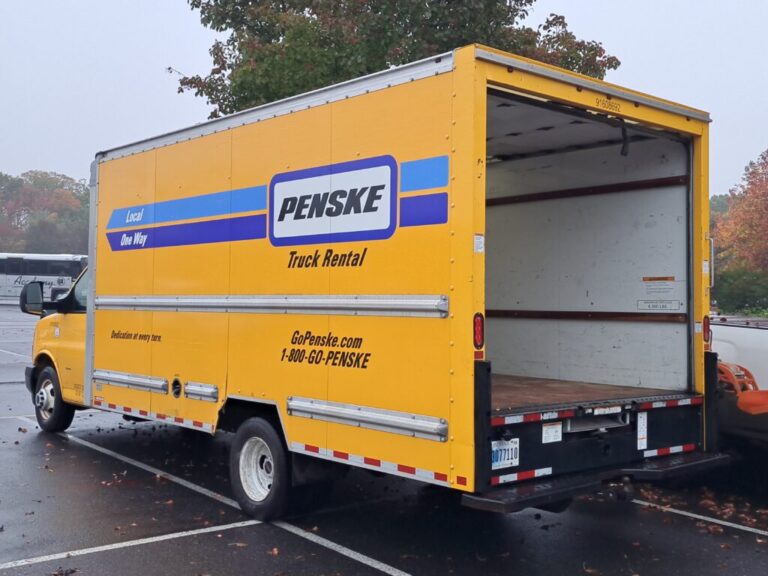
Companies like Penske, Budget Truck Rental, and Ryder also offer moving truck rentals. Each has its own pricing structure, fleet availability, and customer service reputation.
- Penske: Often praised for newer trucks and unlimited mileage on one-way rentals, which can be a significant advantage for long-distance moves despite a potentially higher base rate.
- Budget Truck Rental: Known for competitive pricing and frequent discounts, but fleet quality can vary.
- Ryder: Primarily focuses on commercial rentals, but sometimes offers consumer options, often with larger, well-maintained trucks.
When to consider alternatives:
- Long-Distance Moves: If unlimited mileage is crucial, Penske might offer better value than U-Haul’s one-way package with mileage caps.
- Specific Truck Sizes/Features: If U-Haul doesn’t have the exact truck size or feature you need, competitors might.
- Comparing Deals: Always get quotes from at least two or three different companies to compare the total estimated U-Haul moving costs (or equivalent) for your specific dates and route. A detailed comparison can be found in our article: . (Internal Link Placeholder)
Conclusion: Mastering Your U-Haul Daily Cost
Moving doesn’t have to break the bank, especially when you understand the complete picture of your U-Haul daily cost. By looking beyond the initial advertised rates, you can accurately budget for mileage, insurance, fuel, and essential add-ons. Knowledge truly is power when it comes to managing moving expenses.
Remember to plan meticulously, book wisely, and scrutinize every detail of your rental agreement. Armed with this comprehensive guide, you’re now well-equipped to navigate the complexities of U-Haul pricing, avoid common pitfalls, and ensure your next move is as cost-effective and stress-free as possible. Happy moving!