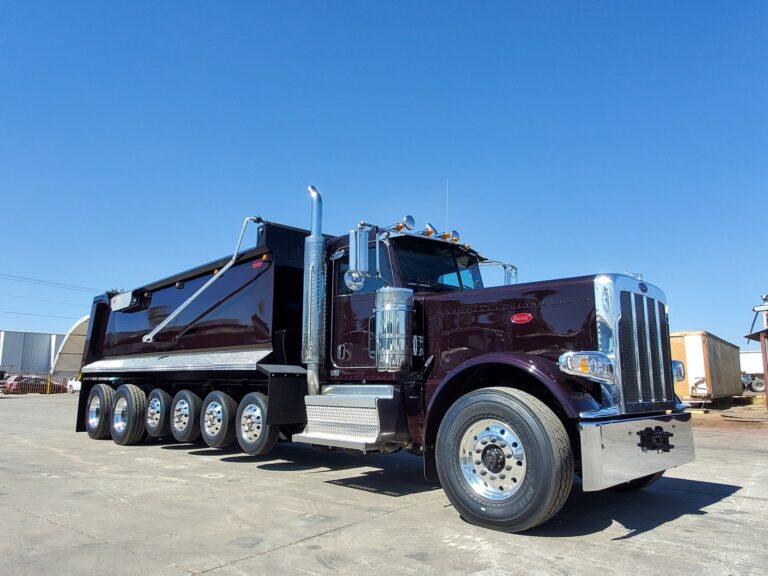
CNG Trucks For Sale: Your Ultimate Guide to Eco-Friendly & Cost-Effective Hauling
CNG Trucks For Sale: Your Ultimate Guide to Eco-Friendly & Cost-Effective Hauling Lmctruck.Guidemechanic.com
The world of commercial transportation is undergoing a profound transformation. As businesses increasingly prioritize sustainability and seek ways to curb operational costs, a powerful alternative is gaining significant traction: Compressed Natural Gas (CNG) trucks. For many, the idea of "CNG trucks for sale" sparks curiosity about their benefits, limitations, and the overall value proposition they offer.
This comprehensive guide is designed to be your definitive resource, cutting through the noise to provide an in-depth understanding of CNG trucks. Whether you’re a fleet manager, an independent owner-operator, or simply exploring greener transportation options, we’ll equip you with the knowledge needed to make an informed decision. Let’s explore how these innovative vehicles are reshaping the future of logistics, one clean mile at a time.
CNG Trucks For Sale: Your Ultimate Guide to Eco-Friendly & Cost-Effective Hauling
What Exactly Are CNG Trucks? Unpacking the Technology
At its core, a CNG truck is a commercial vehicle powered by Compressed Natural Gas. Unlike traditional gasoline or diesel, natural gas is stored under high pressure in robust, specialized tanks, typically mounted on the truck’s chassis. When the engine operates, this compressed gas is released, depressurized, and then fed into the combustion chamber, much like a conventional internal combustion engine.
It’s important to distinguish CNG from its counterpart, Liquefied Natural Gas (LNG). While both use natural gas, CNG remains in a gaseous state at ambient temperatures, stored under high pressure. LNG, conversely, is super-cooled to a liquid state, requiring cryogenic tanks. For most medium and heavy-duty applications, especially those with return-to-base operations or regional routes, CNG offers a practical and cost-effective solution.
Why Consider CNG Trucks? The Unbeatable Advantages
The growing interest in "CNG trucks for sale" isn’t just a fleeting trend; it’s driven by a compelling array of benefits that directly impact a business’s bottom line and its environmental footprint. From our perspective in the industry, these advantages often tip the scales for discerning buyers.
1. A Greener Footprint: Significant Environmental Impact
One of the most compelling reasons to invest in CNG trucks is their superior environmental performance. Natural gas burns much cleaner than diesel or gasoline, resulting in substantially lower emissions of several harmful pollutants. This includes reduced carbon monoxide, nitrogen oxides (NOx), particulate matter (PM), and non-methane hydrocarbons.
Based on my experience working with fleet managers, adopting CNG vehicles often helps companies meet increasingly stringent environmental regulations and corporate sustainability goals. It allows businesses to demonstrate a tangible commitment to reducing air pollution, which resonates positively with customers and local communities alike. This cleaner burning also contributes to improved air quality in urban areas where commercial vehicles operate most frequently.
2. Fuel Cost Savings: A Direct Boost to Your Bottom Line
Perhaps the most immediate and tangible benefit for many businesses is the potential for significant fuel cost savings. Historically, natural gas prices have been more stable and generally lower than diesel or gasoline prices in many regions. This consistent cost advantage can lead to substantial operational savings over the lifespan of a truck.
Pro tips from us: When evaluating the economics, always factor in the regional pricing dynamics for both natural gas and diesel/gasoline. While national averages provide a benchmark, local supply and demand, along with transportation costs, can influence your specific fuel expenses. Over time, these savings can offset the initial higher purchase price of a CNG vehicle.
3. Reduced Maintenance: Cleaner Engines, Longer Life
While specific maintenance schedules will vary by manufacturer, CNG’s cleaner burning nature can lead to reduced wear and tear on engine components. This often translates into extended oil change intervals and less fouling of spark plugs compared to their diesel counterparts. The absence of soot and other particulate matter found in diesel combustion keeps engine internals cleaner.
Common mistakes to avoid are assuming maintenance is identical to a diesel truck. While some aspects are similar, CNG vehicles have specific components, like fuel tanks and lines, that require specialized inspection. However, the overall reduced stress on the engine dueating to cleaner combustion is a distinct advantage, potentially leading to longer engine life.
4. Quieter Operations: A Community-Friendly Choice
CNG engines are inherently quieter than diesel engines, especially at idle. This acoustic advantage is particularly beneficial for operations in residential areas, during nighttime deliveries, or in urban environments where noise pollution is a significant concern. Quieter vehicles can improve driver comfort and reduce noise complaints from the public.
For businesses like refuse collection, school bus services, or urban delivery fleets, the reduced noise profile of CNG trucks can be a major operational and public relations asset. It demonstrates a consideration for community well-being that often goes unappreciated with noisier diesel alternatives.
5. Government Incentives and Support
Many governments, both national and local, offer various incentives to encourage the adoption of alternative fuel vehicles, including CNG trucks. These can range from tax credits for purchasing new vehicles or converting existing ones, to grants for building fueling infrastructure, and even specific mandates for public fleets. These programs are designed to accelerate the transition to cleaner transportation.
For the latest data on alternative fuel stations and incentives, visit the U.S. Department of Energy’s Alternative Fuels Data Center. These incentives can significantly reduce the total cost of ownership, making "CNG trucks for sale" an even more attractive proposition. Always research the specific programs available in your region.
Navigating the Landscape: Types of CNG Trucks Available
When you’re looking for "CNG trucks for sale," you’ll discover a diverse market offering vehicles tailored for various applications. Understanding these categories is crucial for finding the right fit for your operational needs.
1. Light-Duty, Medium-Duty, and Heavy-Duty Applications
CNG technology isn’t limited to a single vehicle class; it spans the spectrum of commercial transport:
- Light-Duty CNG Trucks: These typically include pickup trucks and vans that have been converted to run on CNG or are offered as OEM bi-fuel options. They are ideal for service fleets, last-mile delivery, or utility companies with specific regional routes.
- Medium-Duty CNG Trucks: This segment encompasses vehicles like delivery trucks, utility trucks, and smaller refuse trucks. They are popular for regional distribution, vocational services, and municipal operations where range and payload requirements are moderate.
- Heavy-Duty CNG Trucks: This category includes large refuse haulers, transit buses, and tractor-trailers. These are primarily used for regional hauling, port drayage, and waste management, where their environmental and economic benefits are maximized over consistent, heavy-duty cycles.
2. Dedicated vs. Bi-Fuel Systems
When exploring CNG options, you’ll encounter two primary fuel system configurations:
- Dedicated CNG Trucks: These vehicles are designed to run exclusively on Compressed Natural Gas. They typically offer optimized performance for CNG and have larger CNG fuel capacities. Their systems are streamlined for natural gas, often leading to better efficiency and reduced complexity in their fuel management systems.
- Bi-Fuel CNG Trucks: These trucks offer the flexibility to operate on either CNG or traditional gasoline (or sometimes diesel for heavy-duty applications). They come equipped with separate fuel tanks and injection systems for both fuels. This provides a safety net against infrastructure limitations, allowing drivers to switch to gasoline if CNG isn’t available, offering greater route flexibility.
3. OEM vs. Aftermarket Conversions
The source of the CNG system also varies, impacting warranty, integration, and reliability:
- OEM (Original Equipment Manufacturer) CNG Trucks: These vehicles are built and certified by the truck manufacturer directly on the assembly line. They offer the highest level of integration, engineering, and warranty support. Examples include specific models from Freightliner, Kenworth, Peterbilt, Volvo, and certain Ford and GM offerings.
- Aftermarket Conversions: These involve converting a conventional gasoline or diesel truck to run on CNG after it leaves the factory. Reputable conversion companies use certified kits and adhere to strict safety standards. While often more cost-effective upfront, it’s crucial to ensure the conversion is performed by a qualified installer and comes with adequate warranty coverage. The quality and longevity of aftermarket conversions can vary, making due diligence essential.
The Flip Side: Potential Challenges and Considerations
While the advantages of CNG trucks are compelling, it’s equally important to approach "CNG trucks for sale" with a clear understanding of the potential challenges. Every technology has its trade-offs, and being aware of these can help you mitigate risks and make a truly informed investment.
1. Higher Initial Purchase Cost
One of the most significant hurdles for many businesses considering CNG trucks is the higher upfront purchase price compared to equivalent diesel or gasoline models. This premium stems from the specialized fuel tanks, high-pressure fuel lines, and unique engine components required for CNG operation. While government incentives can help offset some of this cost, it remains a factor in the initial capital outlay.
However, it’s crucial to view this initial cost within the context of the total cost of ownership (TCO). The long-term fuel savings and potentially reduced maintenance can, over time, offset this higher initial investment, leading to a favorable TCO, especially for high-mileage fleets.
2. Fueling Infrastructure Limitations
While the CNG fueling infrastructure is steadily growing, it is not as ubiquitous as gasoline or diesel stations. This can present a challenge for long-haul operations or fleets operating in rural areas without readily available CNG stations. Route planning becomes critical, and businesses might need to consider installing their own on-site fueling stations for guaranteed supply.
Based on my experience, this infrastructure challenge is often the biggest deciding factor for companies. However, for "return-to-base" fleets or those with predictable regional routes, the current infrastructure is often perfectly adequate, especially in metropolitan areas and along major freight corridors.
3. Range Limitations
Due to the physical properties of compressed natural gas, CNG tanks typically store less energy by volume compared to liquid fuels like diesel or gasoline. This means CNG trucks often have a shorter range between fill-ups. While tank technology is constantly improving, this characteristic necessitates careful route planning to ensure drivers have access to fueling stations within their operational range.
For regional delivery, waste management, or transit applications where trucks return to a central depot daily, this is usually not an issue. However, for cross-country hauling, it requires a more strategic approach to fueling stops.
4. Nuances of Resale Value
The resale market for CNG trucks has traditionally been smaller and less liquid than for conventional diesel trucks. This can sometimes lead to lower resale values or longer selling times. However, as CNG adoption grows and awareness of its benefits increases, the secondary market is maturing.
Pro tips from us: To maximize resale value, maintain detailed service records, ensure all tank certifications are current, and highlight the economic and environmental benefits to potential buyers. The long-term trend suggests improving resale values as the technology becomes more mainstream and accepted.
Buying Your CNG Truck: A Comprehensive Guide
Embarking on the journey to purchase a CNG truck, whether new or used, requires careful consideration. This section provides practical advice to guide you through the process, ensuring you make a smart investment.
1. Purchasing New CNG Trucks
Opting for a new CNG truck offers the latest technology, full manufacturer warranties, and the peace of mind that comes with a factory-built vehicle.
- Research Manufacturers: Major truck manufacturers like Freightliner, Kenworth, Peterbilt, Volvo, and specific models from Ford and GM offer OEM CNG options. Research their specific models, engine options, and available configurations to match your operational needs.
- Dealership Expertise: Choose a dealership with experienced sales staff and a service department knowledgeable in CNG technology. Their ongoing support will be invaluable.
- Warranty and Support: Understand the comprehensive warranty package, including coverage for the CNG fuel system components and the engine. Inquire about parts availability and service network support in your operating area.
2. Purchasing Used CNG Trucks: A Detailed Checklist
The used market for "CNG trucks for sale" can offer significant cost savings, but it demands thorough due diligence.
- Thorough Inspection is Paramount: Always conduct a pre-purchase inspection by a qualified mechanic, preferably one experienced with CNG systems. Look for any signs of leaks in the fuel lines, damage to the fuel tanks, or corrosion on components.
- Fuel Tank Certification: This is absolutely critical. CNG tanks have a lifespan and require periodic visual inspections (typically every 3 or 5 years) and hydrostatic testing (every 15 years) to maintain certification. Ensure all tanks are current and have not exceeded their end-of-life date. Common mistakes to avoid are overlooking the fuel tank certification expiry date. An expired tank can be very costly to replace or recertify, potentially rendering the vehicle unusable until addressed.
- Review Service History: Request complete maintenance records. Look for evidence of regular servicing, particularly for the CNG system components. A well-documented service history is a strong indicator of a truck’s reliability and how well it has been cared for.
- Engine Health: Pay close attention to the engine’s condition. While CNG burns cleaner, components like spark plugs, injectors, and ignition coils still wear out. Check for any diagnostic trouble codes.
- Conversion Kit (if applicable): If it’s an aftermarket conversion, verify the kit’s manufacturer and ensure it was installed by a certified technician. Research the reputation of the conversion company.
Pro Tip: Always get an independent inspection from a technician familiar with CNG systems. Their specialized knowledge can uncover issues that a general mechanic might miss. For a deeper dive into inspecting used commercial vehicles, explore our detailed checklist for .
3. Financing Options
Financing for CNG trucks is generally similar to conventional trucks, though some lenders may have specific programs or incentives for alternative fuel vehicles. Explore options with your current bank, specialized commercial vehicle lenders, and dealership financing. Be sure to factor in potential government incentives when calculating your overall financing needs. Read our comprehensive guide on for more details.
Maintenance and Longevity: Keeping Your CNG Truck Running Smoothly
While CNG engines can offer reduced maintenance benefits, specific components require dedicated attention to ensure longevity and safe operation. Understanding these aspects is key to maximizing your investment.
1. Regular Fuel System Inspections
The integrity of the CNG fuel system is paramount for safety and performance. Regular visual inspections for leaks, damage to the high-pressure lines, and the condition of the fuel tanks are essential. Any signs of wear, corrosion, or impact damage to the tanks must be addressed immediately by a qualified technician.
Pressure regulators, fuel filters, and injectors within the CNG system also require periodic checks and servicing according to manufacturer guidelines. These components ensure the gas is delivered cleanly and at the correct pressure to the engine.
2. Fuel Tank Recertification
As mentioned earlier, CNG fuel tanks are subject to strict regulatory requirements for periodic inspection and recertification. These typically involve a visual inspection every 3 to 5 years and a hydrostatic test every 15 years from the date of manufacture. Failing to comply can lead to fines, operational shutdowns, and safety risks.
Based on my experience, this is often overlooked by new CNG truck owners. It’s crucial to track the certification dates of all tanks on your vehicle and schedule these inspections proactively. Reputable service centers specializing in CNG vehicles can perform these certifications.
3. Engine-Specific Maintenance
While CNG burns cleaner, certain engine components still require attention:
- Spark Plugs: CNG engines use spark plugs, similar to gasoline engines. While they might last longer than in some gasoline applications due to cleaner combustion, they still require periodic replacement based on manufacturer recommendations.
- Oil Changes: Although engine oil in CNG engines often stays cleaner longer, it still degrades. Follow the manufacturer’s recommended oil change intervals and use the specified type of engine oil.
- Air Filters: Like any internal combustion engine, clean air is vital. Regular inspection and replacement of air filters are necessary to prevent contaminants from entering the engine.
The Future of CNG Trucks: What’s on the Horizon?
The trajectory for CNG trucks remains positive, especially for specific applications. We anticipate continued growth in sectors like waste management, public transit, and regional hauling, where the benefits align perfectly with operational needs.
Technological advancements are ongoing, with research focused on lighter, more capacious CNG tanks to extend range and reduce vehicle weight. Furthermore, the rise of Renewable Natural Gas (RNG), which is chemically identical to conventional natural gas but derived from organic waste, offers an even greener fuel source. This integration positions CNG trucks as a truly sustainable solution, capable of achieving near-zero lifecycle emissions. Policy support, driven by climate goals and air quality concerns, will also likely continue to foster innovation and adoption.
Conclusion: Making the Right Choice for Your Fleet
The decision to invest in "CNG trucks for sale" is a strategic one, offering a compelling blend of economic savings, environmental responsibility, and operational benefits. From the significant reduction in fuel costs and emissions to the quieter operation and potential government incentives, the advantages are clear.
However, a successful transition hinges on understanding the nuances: the higher initial cost, the evolving fueling infrastructure, and specific maintenance requirements. By thoroughly researching your options, performing meticulous inspections for used vehicles, and aligning your choice with your operational routes and needs, you can unlock the full potential of this powerful alternative fuel technology. Embrace the future of trucking – a future that is cleaner, quieter, and more cost-effective with CNG.