Bridging the Generations: Will A Cap From A 2010 Ram Fit A 2024 Ram 2500? The Ultimate Compatibility Guide
Bridging the Generations: Will A Cap From A 2010 Ram Fit A 2024 Ram 2500? The Ultimate Compatibility Guide Lmctruck.Guidemechanic.com
As an expert in truck accessories and a long-time observer of automotive trends, I’ve seen countless truck owners grapple with the question of compatibility when it comes to vital add-ons like truck caps. It’s a natural inclination to seek cost-effective solutions, especially when a perfectly good cap from an older model might be available. However, when we talk about fitting a truck cap from a 2010 Ram onto a brand-new 2024 Ram 2500, we’re diving into a fascinating, yet often challenging, world of generational design shifts, differing bed dimensions, and evolving aesthetics.
This comprehensive guide will meticulously explore every angle of this specific compatibility challenge. We’ll break down the fundamental differences between these two truck generations, delve into the critical measurements, and provide you with an in-depth understanding of why, in most cases, this particular swap is far more complex than it might seem. Our goal is to equip you with the knowledge to make an informed decision, save you potential headaches, and ensure your investment, whether in a new or used cap, is a wise one.
Bridging the Generations: Will A Cap From A 2010 Ram Fit A 2024 Ram 2500? The Ultimate Compatibility Guide
The Short Answer: It’s Highly Unlikely, And Here’s Why
Let’s cut straight to the chase: Based on my extensive experience and knowledge of Ram truck design evolution, it is highly unlikely that a truck cap designed for a 2010 Ram will directly and properly fit a 2024 Ram 2500. While the idea of a universal fit is appealing, the reality of automotive manufacturing, especially over a 14-year span, dictates significant changes.
This isn’t just about a few inches here or there; it involves fundamental redesigns of the truck bed, cab profiles, and bed rail contours. These changes, while sometimes subtle to the untrained eye, create insurmountable obstacles for direct cap compatibility. Attempting to force a fit can lead to numerous problems, from poor sealing and structural issues to aesthetic mismatches and potential damage to your truck or the cap itself.
Understanding Ram Truck Generations and Bed Design Evolution
To truly grasp why compatibility is an issue, we need to look at the distinct characteristics of each truck generation. Ram trucks, like all modern vehicles, undergo significant redesigns every few years, affecting everything from powertrains to body dimensions.
The 2010 Ram (4th Generation Legacy)
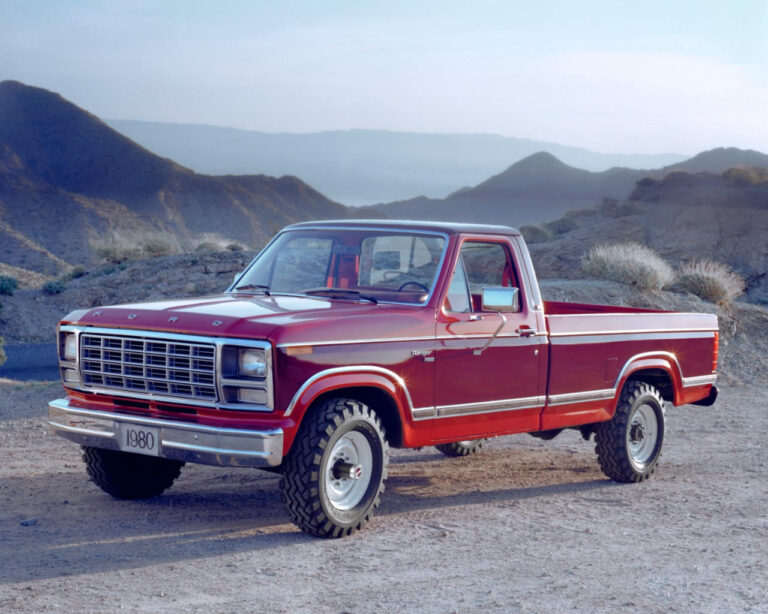
The 2010 Ram falls squarely within the 4th generation of Ram trucks (originally launched in 2009 as a Dodge Ram). This generation was known for its coil-spring rear suspension (a segment first for the 1500), improved interior quality, and a more refined ride. While capable, its design language and structural elements are distinctly different from today’s models.
Key Bed Characteristics of the 2010 Ram:
- Bed Rail Profile: Generally flatter and less complex than modern designs, with fewer integrated features.
- Cab Clearance: The gap between the cab and the bed was designed for the specific cab profile of that era.
- Width: While bed widths have remained relatively consistent in some areas, the critical top rail width and curvature can differ significantly.
- Available Bed Sizes: Commonly available in 5’7", 6’4", and 8′ lengths.
It’s important to note that a 2010 Ram could be a 1500, 2500, or 3500. The beds between the 1500 and the heavy-duty (2500/3500) models often had subtle but crucial differences even within the same generation. Most commonly, when people refer to a "2010 Ram," they’re thinking of the popular 1500 model.
The 2024 Ram 2500 (5th Generation Heavy Duty)
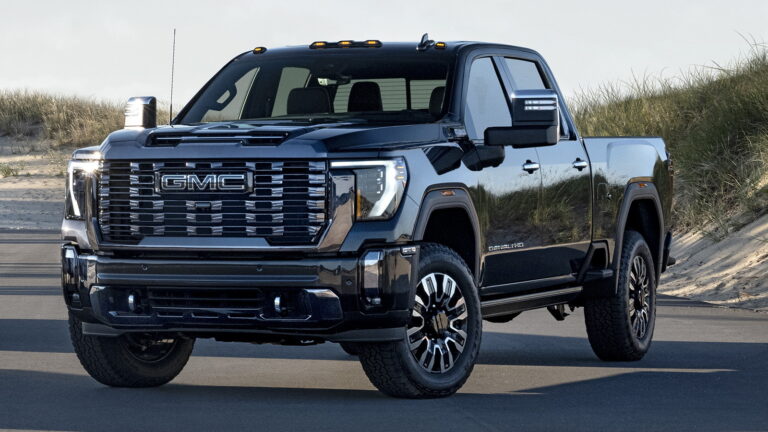
Fast forward to 2024, and the Ram 2500 is a powerhouse from the current 5th generation. The heavy-duty line (2500/3500) received its significant redesign in 2019, building upon the highly acclaimed 5th-gen 1500. This generation boasts advanced technology, improved aerodynamics, and a much more robust, sculpted aesthetic.
Key Bed Characteristics of the 2024 Ram 2500:
- Sculpted Bed Rails: Modern trucks, especially heavy duties, feature more pronounced contours, integrated tie-downs, and often thicker bed rail caps.
- RamBox Cargo Management System: Many 2024 Ram 2500 models are equipped with or offer the RamBox system, which fundamentally alters the bed rail design and internal width, making standard cap fitment impossible without specific RamBox-compatible caps.
- Increased Cab Height/Profile: The overall cab design has evolved, meaning the front clearance angle and height for a cap will have changed.
- Width and Length: While standard bed lengths (6’4" and 8′) persist, the precise dimensions, especially across the top of the bed rails and the inside width at various points, have been refined.
The significant leap in design, engineering, and manufacturing processes between these two generations creates a chasm in terms of accessory compatibility. A truck cap isn’t just a box; it’s a precision-engineered shell designed to integrate seamlessly with specific vehicle body lines and dimensions.
Critical Dimensions and Fitment Factors: The Devil is in the Details
When evaluating truck cap compatibility, several critical dimensions and design elements must align perfectly. Even a fraction of an inch off in any direction can lead to major problems.
1. Bed Length: The Obvious Starting Point
Both the 2010 Ram and 2024 Ram 2500 offer 6’4" and 8′ bed lengths. If your 2010 cap is for a 6’4" bed, and your 2024 Ram 2500 also has a 6’4" bed, you might think you’re in luck. However, this is just the nominal length. The actual internal and external dimensions, especially concerning the tailgate and bulkhead, can still differ enough to prevent a proper seal.
- Pro tip from us: Always measure the actual interior length from the bulkhead (front of the bed) to the inside of the closed tailgate. Then, measure the length of the cap itself. Don’t just rely on advertised "foot" lengths.
2. Bed Width: The Most Critical Measurement
This is where most compatibility issues arise. The width of the truck bed, particularly across the top of the bed rails and just inside them, is paramount.
- Top Rail Width: The cap sits directly on these rails. If the 2010 cap is too narrow, it won’t sit flush. If it’s too wide, it will overhang awkwardly, leading to poor sealing and potential structural stress.
- Inside Rail Width: This determines if the cap’s internal frame can clear the bed walls and sit correctly.
- Common mistakes to avoid are: Assuming all 6’4" beds, for example, have the exact same width profile. They simply do not across different generations and even different models (1500 vs. 2500).
Based on my experience, the 5th generation Ram trucks, including the 2024 2500, often have slightly wider and more contoured bed rails compared to the 4th generation. This is a common design evolution for increased rigidity and updated aesthetics.
3. Bed Rail Profile and Height
Modern truck beds, including the 2024 Ram 2500, feature increasingly complex and sculpted bed rail designs. These aren’t just flat surfaces anymore. They might have integrated tie-downs, thicker plastic caps, or a subtle curvature that changes along the length of the bed.
A cap from a 2010 Ram was designed for the flatter, simpler rail profile of that era. Trying to seat it on the more intricate 2024 rails will result in:
- Poor Sealing: Gaps will form, allowing water, dust, and debris to enter the bed.
- Uneven Pressure: The cap won’t sit level, putting stress on the cap’s frame and potentially cracking the fiberglass or aluminum.
- Mounting Issues: Clamps designed for older, thinner rails may not properly grip the thicker, contoured rails of a newer truck.
4. Cab Clearance and Cab-to-Bed Gap
The design of the truck’s cab also plays a significant role. Truck caps are designed with a specific "cab-overhang" to provide adequate clearance between the front of the cap and the rear of the truck’s cab. This prevents the cap from hitting the cab during normal driving, especially over bumps or during flex.
Over 14 years, cab designs have changed, affecting:
- Cab Height: The overall height of the cab.
- Cab Profile: The curvature and angle of the rear of the cab.
- Cab-to-Bed Gap: The distance between the cab and the front bulkhead of the bed.
An older cap might sit too low or too high relative to the new cab, or it might not provide enough forward clearance, leading to potential contact and damage.
5. Tailgate Design
The tailgate is the final piece of the puzzle for a watertight seal. The top edge and side profiles of the tailgate have also evolved. A 2010 cap’s rear door and seal were designed to mate with the 2010 tailgate. The 2024 Ram 2500’s tailgate, with its potentially different thickness, curvature, and even integrated step features, will likely not provide a perfect seal with an older cap.
Why a 2010 Cap Likely WON’T Fit a 2024 Ram 2500 (Detailed Explanation)
Let’s consolidate the reasons why this particular cross-generational fit is a near-impossible task without significant, costly, and often detrimental modifications.
Generational Shift: A Complete Redesign
The jump from the 4th generation (2010) to the 5th generation (2024 Heavy Duty) is a monumental leap in automotive design and engineering. These aren’t facelifts; they are ground-up redesigns. Every major body panel, including the truck bed, is re-engineered for improved aerodynamics, structural integrity, manufacturing efficiency, and aesthetic appeal. This means the bed dimensions, particularly the critical top rail width and profile, will have changed significantly.
Ram 1500 vs. 2500 Bed Differences
Even if we consider a hypothetical scenario where the 2010 cap was originally for a 2010 Ram 2500 (less common to find used), the heavy-duty truck beds also evolved dramatically. The 2024 Ram 2500, part of the current generation, is a beast designed for serious work, with a more robust and often wider stance than its 2010 counterpart. The 2010 1500 bed, which is what most "2010 Ram" caps are for, is fundamentally different from a 2024 2500 bed. The 2500 series has always had subtle but important distinctions in bed width and rail structure to accommodate its heavier-duty frame and suspension.
Bed Rail Contours and Integrated Features
Modern truck beds are not simple, flat-sided boxes. The 2024 Ram 2500 features sculpted bed rails that integrate seamlessly with the truck’s overall design. They might be thicker, have a more pronounced curve, or include built-in features like tie-down points or RamBox functionality. A 2010 cap, with its relatively straight and simpler base, cannot conform to these complex shapes. This leads to large gaps, an unstable fit, and compromised weather protection.
Evolving Mounting Systems
Truck cap manufacturers have also evolved their mounting systems. While many still use C-clamps, the specific design of these clamps and the way they interact with the bed rails have changed. An older clamp might not properly engage with the thicker, more contoured rails of a 2024 Ram 2500, leading to a loose or insecure fit. An insecurely mounted cap is a significant safety hazard, especially at highway speeds.
The "What If" Scenarios & Customization: Is It Worth It?
You might be thinking, "What if I just make it fit?" This is where the cost-benefit analysis becomes critical.
Minor Adjustments vs. Major Modifications
- Minor Adjustments (Unlikely to be enough): This might include adding extra weather stripping, using different clamps, or shimming small gaps. For a 2010 cap on a 2024 Ram 2500, these "minor" adjustments will almost certainly be insufficient. The dimensional discrepancies are too great.
- Major Modifications (Not Recommended): This would involve cutting, grinding, or adding material to the cap’s base to make it conform to the 2024 bed rails. This is a highly specialized and expensive process. You’d likely need a custom fiberglass or aluminum fabrication shop. The cost of such modifications would easily exceed the cost of buying a new, correctly fitting cap, and the result would likely be compromised in terms of aesthetics, structural integrity, and weather sealing.
The Cost-Benefit Analysis
Trying to force a 2010 cap onto a 2024 Ram 2500 is almost always a losing proposition.
- Financial Cost: The cost of modifications, potential paint damage, new sealing materials, and custom fabrication will quickly add up.
- Time Cost: Countless hours spent trying to get a "good enough" fit.
- Compromised Functionality: Even if you get it to sit, the weather seal will likely be poor, leading to water leaks and dust intrusion. The cap might not be level, affecting its appearance and potentially causing stress fractures over time.
- Aesthetic Mismatch: The body lines of a 2010 cap will clash significantly with the modern, sculpted look of a 2024 Ram 2500, making the truck look mismatched and detracting from its overall value.
Pro Tips for Buying a Used Truck Cap (When Compatibility IS Possible)
While a 2010 cap on a 2024 Ram 2500 is a no-go, buying used caps for compatible vehicles can be a smart move. Here’s how to do it right:
- Measure, Measure, Measure: This is the golden rule. Don’t rely on model years alone.
- Your Truck Bed:
- Length: From the front bulkhead (inside the bed) to the inside of the closed tailgate.
- Width: Across the top of the bed rails at the front, middle, and rear.
- Inside Width: Measure the inside width of the bed walls at the front, middle, and rear.
- Cab-to-Bed Gap: Measure the distance between your cab and the bed.
- The Used Cap: Get the seller to provide precise measurements of the cap’s base length and width (both outside and inside edges). Also, measure the cab-overhang at the front.
- Your Truck Bed:
- Verify the Exact Donor Vehicle: Ensure the cap came from the exact make, model, year, and bed length as your truck, or a known compatible generation (e.g., a cap from a 2019 Ram 2500 will fit a 2024 Ram 2500 with the same bed length, as they are the same generation).
- Inspect for Damage: Look for cracks in the fiberglass or aluminum, especially around the base. Check the window seals, hinges, latches, and gas struts. Replacing these components can add significant cost.
- Check for Mounting Hardware: Does it come with the necessary clamps? Are they in good condition?
- Weather Stripping: Assume you’ll need new weather stripping. It’s inexpensive and crucial for a good seal.
- Wiring: If the cap has a third brake light or interior light, ensure the wiring is intact. You’ll need to splice it into your truck’s electrical system.
- Consider the Aesthetics: Even if it fits, does the style and color complement your truck? A mismatched cap can diminish your truck’s appearance.
For more detailed advice on measuring your truck bed for a cap, you might find resources like our "Ultimate Guide to Truck Bed Dimensions" (hypothetical internal link) helpful in understanding the intricacies.
The Best Approach: Investing in a New or Correctly Sized Used Cap
Given the significant challenges, the most practical and ultimately cost-effective solution is to invest in a truck cap that is specifically designed for your 2024 Ram 2500.
Benefits of a Proper Fit:
- Seamless Integration: A cap designed for your truck will match its body lines, cab profile, and bed rail contours perfectly, providing a factory-like appearance.
- Superior Weather Sealing: Engineered for a precise fit, a new cap will offer excellent protection against water, dust, and the elements, keeping your cargo safe and dry.
- Enhanced Security: Proper mounting and a secure fit mean your cap will stay firmly attached, even at highway speeds or over rough terrain.
- Optimized Functionality: Features like interior lights, third brake lights, and window operation will be designed to work flawlessly with your truck.
- Retained Resale Value: A well-fitting, aesthetically pleasing cap adds value to your truck, whereas a poorly fitted or mismatched one detracts from it.
Where to Find Options:
- Authorized Dealers: Your local Ram dealership or an authorized truck accessory dealer can guide you through the latest cap options from leading manufacturers like Leer, A.R.E., SnugTop, and Ranch.
- Specialty Truck Accessory Stores: These stores often have a wide selection, experienced staff, and can handle professional installation.
- Online Retailers: Many reputable online stores specialize in truck caps and accessories, though it’s always best to verify fitment thoroughly and consider professional installation.
- Used Market (for compatible caps): If you’re set on a used cap, focus your search on 2019-2024 Ram 2500/3500 models with the exact same bed length as yours. Platforms like Craigslist, Facebook Marketplace, and dedicated truck forums can be good sources. Always verify dimensions in person.
For further research on current Ram truck specifications, you can always consult reliable external sources such as the Ram Trucks official website. This can help you verify dimensions and features for your specific model year.
Conclusion: Don’t Compromise on Fitment
The allure of repurposing an older truck cap is understandable, especially when considering the investment in a new one. However, when it comes to fitting a 2010 Ram cap onto a 2024 Ram 2500, the significant generational differences in design, critical dimensions, and evolving aesthetics make it an endeavor fraught with complications. The precise engineering of modern truck beds demands an equally precise accessory.
Based on my experience, attempting this fitment will likely lead to compromised functionality, a poor aesthetic, and potentially costly modifications that far outweigh any initial savings. For optimal performance, security, and the long-term integrity of your valuable 2024 Ram 2500, the best course of action is to invest in a truck cap specifically designed for its generation and model. Your truck, and your peace of mind, deserve nothing less than a perfect fit.