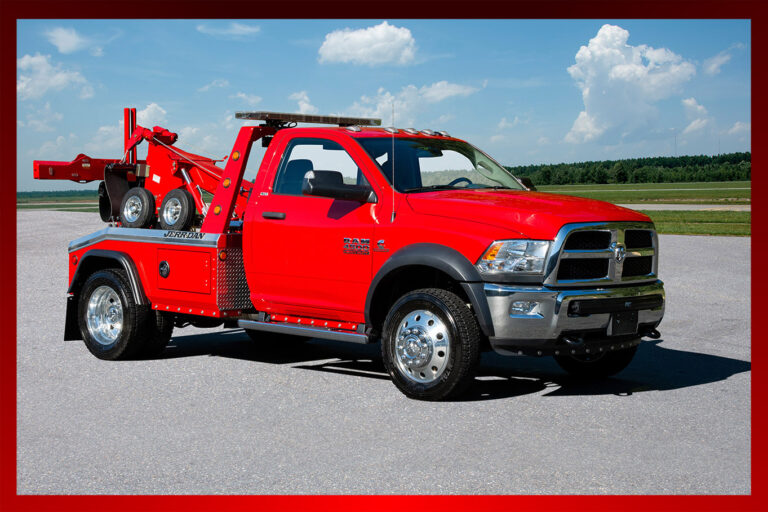
Beyond the Cab: A Deep Dive into Essential Truck Component Names Every Owner Should Know
Beyond the Cab: A Deep Dive into Essential Truck Component Names Every Owner Should Know Lmctruck.Guidemechanic.com
Understanding the anatomy of a truck goes far beyond simply knowing it has an engine and wheels. For anyone involved in the trucking industry – be it an owner-operator, a fleet manager, a mechanic, or even an enthusiast – a comprehensive grasp of truck component names and their functions is absolutely critical. This knowledge empowers you to make informed decisions about maintenance, troubleshooting, safety, and even purchasing, ultimately saving time, money, and preventing costly breakdowns.
Based on my extensive experience in the heavy-duty trucking sector, I’ve witnessed firsthand how a lack of fundamental component knowledge can lead to serious operational inefficiencies and even dangerous situations. This isn’t just about identifying parts; it’s about appreciating the intricate dance of engineering that allows these colossal machines to haul immense loads across vast distances. In this ultimate guide, we will unpack the beast, component by component, ensuring you gain an in-depth understanding of the vital parts that make a truck, well, a truck.
Beyond the Cab: A Deep Dive into Essential Truck Component Names Every Owner Should Know
The Powerhouse: Engine and Drivetrain Components
At the very heart of any truck lies its power-generating and power-transmitting systems. These are the components responsible for converting fuel into motion and delivering that power to the wheels.
1. The Engine Block
The engine block is the fundamental structure of an internal combustion engine, often referred to as the "heart" of the truck. It houses the cylinders, where combustion takes place, and provides the framework for components like the crankshaft, pistons, and camshaft. Made typically from cast iron or aluminum, its robust design ensures structural integrity under extreme temperatures and pressures.
From my perspective, the engine block is more than just a piece of metal; it’s the foundation upon which all other engine components build. Its design dictates the engine’s configuration, whether it’s an inline-six or a V8, directly impacting the truck’s power output and fuel efficiency. Proper cooling, managed by the cooling system, is paramount to prevent block warping or cracking, which are catastrophic failures.
2. Cylinder Head
Sitting atop the engine block, the cylinder head seals the top of the cylinders, forming the combustion chamber with the pistons. It houses crucial components like the valves (intake and exhaust), spark plugs (in gasoline engines), and fuel injectors (in diesel engines). Its intricate design allows for the precise timing of air intake and exhaust gas expulsion.
Pro tips from us: The cylinder head gasket, located between the block and the head, is a common point of failure. Overheating is the primary culprit behind blown head gaskets, leading to coolant leaks, loss of compression, and mixing of oil and coolant. Regular monitoring of coolant levels and engine temperature can prevent this costly repair.
3. Pistons and Connecting Rods
Pistons are cylindrical components that move up and down within the cylinders, driven by the expansion of gases during combustion. They transfer the force of combustion to the connecting rods, which in turn convert this reciprocating motion into rotational motion by linking to the crankshaft. This kinetic chain is fundamental to generating power.
Common mistakes to avoid are neglecting proper engine lubrication. Without sufficient oil film, the pistons and cylinder walls can experience excessive friction, leading to wear, scoring, and ultimately, engine seizure. Always adhere to manufacturer-recommended oil change intervals and use the correct grade of oil.
4. Crankshaft
The crankshaft is a large, rotating shaft located at the bottom of the engine block. It’s the component that translates the up-and-down motion of the pistons (via the connecting rods) into rotational motion, which is then sent through the drivetrain to power the wheels. It’s a heavy-duty, precisely balanced component.
Based on my experience, crankshaft failures are rare but devastating, often stemming from severe lubrication issues or excessive engine loads. Maintaining optimal engine oil pressure and ensuring the engine isn’t constantly redlined under heavy loads helps preserve this critical component.
5. Camshaft
The camshaft is responsible for controlling the opening and closing of the engine’s intake and exhaust valves at precise times. It uses a series of lobes (cams) that push against lifters or rockers, which then actuate the valves. Its timing is synchronized with the crankshaft, ensuring optimal engine breathing.
The timing chain or timing belt connects the camshaft to the crankshaft, maintaining this synchronization. A broken timing chain can lead to valves hitting pistons, causing severe internal engine damage. Regular inspection and replacement of timing components as per maintenance schedules are crucial.
6. Turbocharger/Supercharger
Many modern trucks utilize a turbocharger or supercharger to increase engine power and efficiency. These forced induction devices compress the air entering the engine, allowing more oxygen and fuel to be burned, thus generating more power. A turbocharger uses exhaust gases to spin a turbine, while a supercharger is belt-driven directly by the engine.
Pro tips from us: Turbochargers operate at extremely high speeds and temperatures, making proper lubrication and cooling vital. Common mistakes include immediately shutting off the engine after a heavy load, which can "coke" the oil in the turbo’s bearings. Allowing the engine to idle for a minute or two helps cool down the turbo and circulate fresh oil.
7. Fuel Injectors
Fuel injectors are electronically controlled valves that precisely atomize and deliver fuel into the engine’s combustion chambers or intake manifold. In diesel engines, they operate under immense pressure to finely spray diesel fuel directly into the cylinders, where it ignites due to compression.
Based on my experience, clean fuel is non-negotiable for injector longevity. Clogged or faulty injectors can lead to reduced fuel efficiency, misfires, loss of power, and increased emissions. Regular fuel filter replacements are your best defense against injector problems.
8. Radiator
The radiator is a critical component of the truck’s cooling system. It dissipates excess heat from the engine by circulating coolant (a mixture of water and antifreeze) through a network of fins and tubes. As air passes over these fins, heat is transferred from the coolant to the ambient air, keeping the engine at its optimal operating temperature.
Common mistakes to avoid are neglecting coolant flushes and using plain water instead of approved coolant. Water alone lacks the corrosion inhibitors and proper freezing/boiling points of engineered coolants, leading to rust, scale buildup, and inefficient cooling.
9. Transmission
The transmission is responsible for transferring power from the engine to the driveshaft and ultimately to the wheels, allowing the driver to select different gear ratios. This enables the engine to operate efficiently across a wide range of speeds and loads. Trucks can have manual, automatic, or automated manual transmissions (AMTs), often with many gears (e.g., 10-speed, 13-speed, 18-speed) to handle heavy loads.
From a practical standpoint, the transmission is one of the most hardworking components. Proper fluid levels and timely fluid changes are paramount. Overheating is a common enemy of transmissions, leading to premature wear and expensive repairs. Always ensure your truck is not overloaded, which can strain the transmission.
10. Driveshaft
The driveshaft is a cylindrical shaft that connects the transmission to the differential, transmitting rotational power to the drive axles. In many heavy-duty trucks, there can be multiple driveshafts with universal joints (U-joints) to accommodate articulation and movement between components.
Pro tips from us: Regularly inspect U-joints for signs of wear, such as rust, play, or grease leakage. A failing U-joint can cause vibrations, clunking noises, and in severe cases, complete driveshaft failure, which can be dangerous and cause significant damage.
11. Differential
The differential is a gear assembly located in the drive axle housing. Its primary function is to allow the wheels on the same axle to rotate at different speeds while still receiving power. This is crucial for turning corners, as the outer wheel needs to travel a greater distance than the inner wheel.
Common mistakes to avoid are ignoring differential fluid changes. The gears within the differential generate significant heat and friction, and the fluid lubricates and cools them. Contaminated or low differential fluid can lead to excessive wear, whining noises, and ultimately, differential failure.
The Backbone: Chassis and Frame Components
These components form the structural foundation of the truck, supporting its weight and connecting all other systems.
12. Frame Rails (Chassis Frame)
The frame rails, or chassis frame, are the primary structural components of a truck, forming its skeleton. Typically made of heavy-duty steel, these long, parallel beams extend the length of the truck, providing the mounting points for the engine, cab, axles, suspension, and body. Their immense strength is crucial for carrying heavy loads.
Based on my experience, the integrity of the frame rails is non-negotiable for safety and load-bearing capacity. Damage from accidents, rust, or improper modifications can compromise the entire vehicle. Regular inspections for cracks, bends, or severe corrosion are essential.
13. Fifth Wheel
For semi-trucks, the fifth wheel is a critical coupling device mounted on the tractor’s frame rails. It allows the semi-trailer to pivot freely while securely attached to the tractor, enabling sharp turns and articulation. It’s a heavy-duty, circular plate with a locking mechanism that engages the trailer’s kingpin.
Pro tips from us: Proper lubrication of the fifth wheel plate is crucial to reduce friction and wear. Common mistakes include not regularly checking the locking jaws for wear or proper engagement, which can lead to trailer detachment – a highly dangerous scenario. Always perform a tug test after coupling.
The Essentials: Braking and Suspension Systems
These systems are vital for safety, control, and ride comfort, ensuring the truck can stop effectively and handle varying road conditions and loads.
14. Air Brakes System
Heavy-duty trucks primarily use an air brake system, which is far more powerful and reliable for stopping large loads than hydraulic systems. Key components include:
- Air Compressor: Generates compressed air.
- Air Tanks (Reservoirs): Store compressed air.
- Brake Valves: Control the flow of air to the brake chambers.
- Brake Chambers: Convert compressed air pressure into mechanical force.
- Slack Adjusters: Adjust the brake shoe clearance as the linings wear.
- Brake Shoes/Pads and Drums/Rotors: The friction components that stop the wheels.
Based on my experience, understanding the nuances of air brakes is paramount for truck drivers. Common mistakes include neglecting daily pre-trip inspections, especially checking air pressure, brake adjustment, and signs of air leaks. A loss of air pressure means a loss of braking capability. For more detailed information on air brake safety, you can refer to the FMCSA website for official guidelines.
15. Suspension System
The suspension system supports the truck’s weight, absorbs road shocks, and maintains tire contact with the road. Key components often include:
- Leaf Springs: Layers of steel plates that flex to absorb shocks, common in heavy-duty applications.
- Air Bags (Air Springs): In air ride suspension systems, these rubber bags filled with compressed air provide a smoother ride and can adjust ride height.
- Shock Absorbers (Dampers): Control spring oscillation, preventing excessive bouncing.
- Stabilizer Bars (Sway Bars): Reduce body roll during turns.
Pro tips from us: Proper load distribution is vital for suspension longevity. Overloading or uneven loading can prematurely wear out springs, air bags, and shock absorbers. Regular inspection for broken leaves, air leaks in air bags, and leaking shocks can prevent more severe issues down the road.
The Control Center: Cab and Interior Components
The cab is the driver’s office, and its components are designed for control, comfort, and safety.
16. Dashboard and Gauges
The dashboard houses the array of gauges and indicators that provide critical information to the driver. This includes the speedometer, tachometer, oil pressure gauge, coolant temperature gauge, fuel gauge, air pressure gauges (for brakes), and various warning lights for engine diagnostics, ABS, and other systems.
Based on my experience, a driver’s ability to quickly interpret dashboard readings is a life skill. Ignoring warning lights or unusual gauge readings is a common mistake that can lead to catastrophic failures. For instance, a sudden drop in oil pressure or a spike in coolant temperature demands immediate attention.
17. Steering Wheel and Column
The steering wheel is the primary interface for directional control, connected to the steering column which transmits the driver’s input to the steering gear. Modern trucks utilize power steering systems, making it easier to maneuver these heavy vehicles.
Pro tips from us: Any unusual play, looseness, or grinding noises in the steering system should be investigated immediately. This could indicate wear in tie rods, drag links, or the steering gearbox itself, all of which are critical for safe vehicle operation.
The Electrics and Electronics
Modern trucks are complex machines, relying heavily on electrical and electronic systems for everything from engine management to safety features and driver comfort.
18. Battery
The battery provides the electrical power needed to start the engine and supply electricity to various vehicle systems when the engine is off. Heavy-duty trucks typically use multiple large batteries to provide sufficient cranking power for their powerful diesel engines.
Common mistakes to avoid are neglecting battery maintenance. This includes checking terminals for corrosion, ensuring proper electrolyte levels (for non-sealed batteries), and regularly testing battery health, especially in colder climates. A weak battery can lead to frustrating starting issues.
19. Alternator
Once the engine is running, the alternator takes over as the primary source of electrical power, recharging the battery and supplying electricity to all vehicle systems. It converts mechanical energy from the engine (via a belt) into electrical energy.
Based on my experience, a failing alternator often manifests as dimming lights, sluggish electrical accessories, or a battery warning light on the dashboard. Ignoring these signs can lead to a dead battery and leave you stranded.
20. ECU (Engine Control Unit)
The ECU, or Engine Control Unit (sometimes called ECM – Engine Control Module), is the "brain" of the engine. It’s a sophisticated computer that monitors numerous sensors throughout the engine and uses this data to precisely control fuel injection, ignition timing, turbocharger boost, and emissions systems for optimal performance and efficiency.
Pro tips from us: While drivers don’t directly interact with the ECU, understanding its role is important. Many modern engine problems require diagnostic tools to "read" fault codes from the ECU, which pinpoint specific issues. Attempting to tamper with or "tune" an ECU without expert knowledge can lead to engine damage or emissions non-compliance.
The Exterior and Safety Features
Beyond the structural and operational components, the exterior elements and advanced safety systems contribute significantly to a truck’s functionality and overall safety.
21. Tires and Wheels
The tires are the truck’s only contact with the road, supporting the entire vehicle’s weight and providing traction for acceleration, braking, and steering. The wheels (or rims) are the metal structures to which the tires are mounted. Trucks use specialized heavy-duty tires designed for specific load ratings and applications.
Common mistakes to avoid are neglecting tire pressure and condition. Underinflated tires reduce fuel efficiency, increase wear, and can lead to dangerous blowouts. Regular inspections for proper inflation, tread depth, cuts, and bulges are critical for safety and operational costs. For more information on tire care, consider checking a specialized blog post on .
22. Exhaust System (DPF/SCR)
The exhaust system routes spent gases away from the engine, reduces noise (muffler), and critically, in modern diesel trucks, includes complex emissions control devices. These often include a Diesel Particulate Filter (DPF) to trap soot and a Selective Catalytic Reduction (SCR) system that uses Diesel Exhaust Fluid (DEF) to convert harmful nitrogen oxides into harmless nitrogen and water.
Based on my experience, emissions systems are often misunderstood but are absolutely vital for environmental compliance and engine performance. Ignoring DPF regeneration cycles or running out of DEF can lead to "derates" where the engine’s power is significantly reduced, or even complete shutdowns. Proper maintenance and genuine DEF are crucial.
23. Mirrors
Trucks rely on an array of mirrors for driver visibility, especially considering their size and blind spots. This includes large side mirrors, often with convex sections, to provide a wider field of view, and sometimes fender-mounted mirrors.
Pro tips from us: Regularly cleaning and properly adjusting all mirrors is a simple yet critical safety practice. Common mistakes include relying solely on mirrors without conducting physical "pull-ups" or "lean-outs" to check blind spots, particularly when changing lanes or turning.
Conclusion: The Value of Knowing Your Truck
This deep dive into truck component names underscores the incredible complexity and engineering marvel that is a modern heavy-duty truck. From the internal combustion processes within the engine block to the sophisticated electronics of the ECU and the robust structure of the chassis frame, each component plays a vital role in the truck’s overall performance, safety, and longevity.
As a professional in this field, I cannot stress enough the importance of continuous learning about these machines. Knowing the names and functions of these parts empowers you to communicate effectively with mechanics, troubleshoot minor issues before they become major problems, and ultimately, operate your truck or manage your fleet with greater confidence and efficiency. Investing time in understanding these components is an investment in your truck’s future and your operational success. Keep learning, keep inspecting, and keep those wheels turning safely!